

Liam Gallagher’s Oasis Rebirth: What’s the Future of That Controversial Anthem?
The question that’s been echoing in fans’ ears for decades: Will Liam Gallagher bring back the song that split Oasis and the world? As he readies for his upcoming tour, the fate of one of the most controversial tracks of his career looms large.
 Chris MarksMay 7, 20253 Mins read164
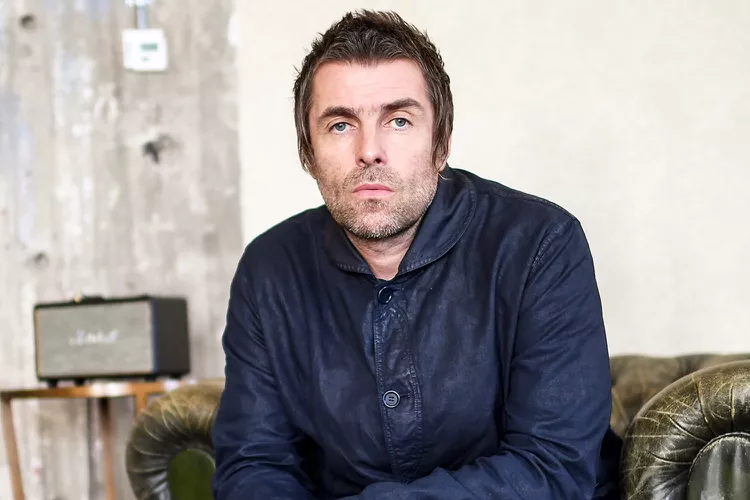
Liam Gallagher doesn’t do anything quietly—his voice, his presence, and yes, even his controversies, demand the world’s attention. So when the Oasis frontman reveals that a certain infamous track may make its way into his upcoming setlists, the world pauses. For some, it’s a declaration of the past resurfacing; for others, a moment of reckoning. Is this the moment when Gallagher finally brings back a song that has long been a symbol of the tension and turmoil that once defined Oasis?
The song in question, “Talk Tonight”, has hovered like a ghost over Gallagher’s career for years. A tune beloved by some for its poignant lyrics and haunting melody, but equally divisive for its role in the very rift that tore Oasis apart. The track is a reminder of everything the band once stood for—creativity, chaos, and the clash of personalities that inevitably fractured their empire. To resurrect it now feels almost like a betrayal to the very ideals of reinvention Gallagher claims to embrace.
The Paradox of Nostalgia
There’s something deeply ironic about the return of this song, considering how much Gallagher has fought to distance himself from his Oasis legacy. The frontman has spent years carving out his solo career, his raw, unapologetic sound capturing the essence of a man in constant conflict with his past. Yet now, with the prospect of a reunion tour on the horizon, “Talk Tonight” threatens to surface as a relic—a symbol of a bygone era.
But let’s face it: nostalgia is a powerful force. Gallagher knows this as well as anyone. His fans, hungry for a glimpse of the past, have clamored for a hint of Oasis’ glory days for years. Is this song’s reappearance on the setlist simply a crowd-pleasing move, or does it represent something more? Could this be Liam’s way of confronting the ghosts of Oasis, those musical memories that still haunt him? Or perhaps, it’s just a strategic move to sell out arenas with a simple stroke of the past.
A Conflicted Return
In typical Gallagher fashion, the singer is never far from contradiction. While he teases the possibility of resurrecting “Talk Tonight,” he does so with a playful yet enigmatic attitude. It’s almost as though Gallagher is daring us to question whether he’s really ready to embrace the chaos of that moment again—whether he’s truly prepared to face the consequences of reopening a wound that never fully healed. In an era where the public constantly craves both nostalgia and novelty, Gallagher’s move could be the perfect intersection between the two.
“I wouldn’t do it if it didn’t feel right,” Gallagher said cryptically. “But if it does, I’ll bring it back. And you’ll know.” The words hang in the air like an unspoken promise, inviting the world to speculate on what’s truly behind the decision. Is it an act of rebellion against the very expectations placed on him? Or a reluctant admission that the past, no matter how much we try to shake it off, has a way of catching up with us?
The Unfinished Story
As Gallagher prepares for his upcoming tour, the fate of this controversial track seems to symbolize something much larger than just a song. It’s about legacy, about reconciliation with an era that defined him, and about the tension between the man he was and the man he’s becoming. To bring back “Talk Tonight” is to invite the specter of Oasis into the room once more, to engage in the delicate dance between honoring the past and asserting his independence.
But is the return of this song simply a nostalgic indulgence, or does it carry a deeper meaning? Perhaps Liam Gallagher’s decision will be more than just about one song—it will be about a pivotal moment in his career where he confronts his past on his own terms, reframing it for a new generation of fans. But then again, maybe it’s just Liam being Liam—provocative, unpredictable, and undeniably magnetic.
What remains clear is this: whatever decision Gallagher makes, the world will be watching. And for the fans who have followed him through every twist and turn, the mystery of whether “Talk Tonight” will once again echo in concert halls is more than just about a song—it’s about everything that made Liam Gallagher, for better or worse, the cultural icon he is today.








Laufey’s Opening Night Show at LA’s Crypto.com Arena: Best Moments
Laufey opened a two-night stand at Crypto.com Arena in downtown Los Angeles...
Chris Marks6 Mins read

Julie Adam Is Billboard Canada Women in Music’s 2025 Exec of the Year
Julie Adam is having a milestone year — and it’s getting even...
Chris Marks4 Mins read

Spinal Tap Tribute Album with Foo Fighters,Tool for Teen Cancer America
Spinal Tap may be a fake band, but its music is very...
Chris Marks2 Mins read

AxMxP Is K-Pop Rookie of the Month for September: Exclusive Photos
Ha Yoo Joon Image Credit: Chin Soyeon You debuted on Sept. 10....
Chris Marks2 Mins read





Leave a comment