

Divorce, Dollars, and a Downbeat: Oliver Anthony’s Most Personal Song Yet
Country firebrand Oliver Anthony releases a searing new track inspired by his wife’s alleged divorce demands—and the lyrics are anything but subtle. But is this heartbreak or a high-stakes negotiation set to music?
 Chris MarksJune 12, 20252 Mins read211
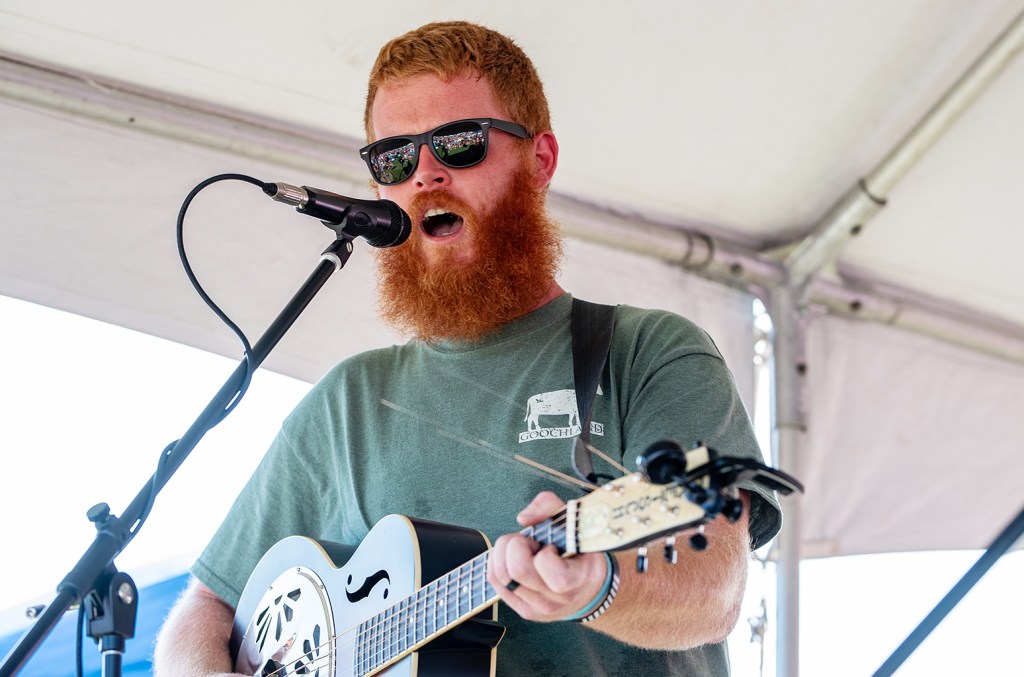
The first note cuts like a knife, but it’s the second verse that lingers—sharp, personal, undeniably raw. Oliver Anthony isn’t hiding behind metaphor in his latest track. No veils, no distance. Just the crackle of resentment, the echo of courtroom threats, and the unmistakable scent of money tangled in love’s aftermath. Is it art imitating life, or a country singer turning confession into currency?
The track—dropped with little warning—feels more like a wound than a song. It plays out like a confrontation whispered through a microphone. And the message? As transparent as it is brutal: she wants money, and he wants out. “You didn’t want my soul, just what I had in my name,” he sings, with a bitterness that’s too specific to be fictional. There’s something dangerous, even thrilling, about a man laying it bare like this in an era of manicured celebrity statements. But what is he really revealing?
When the Chorus Is a Lawsuit
Divorce is nothing new in the country songbook. From Tammy Wynette’s stoic laments to Chris Stapleton’s whiskey-soaked regrets, heartache has long been commodified in Nashville. But Anthony’s approach isn’t elegiac—it’s accusatory, almost weaponized. His lyrics are more courtroom deposition than catharsis, blurring the line between art and evidence.
This raises an uncomfortable question: when a musician turns private pain into public record, is it vulnerability—or a power play? “She wanted half, but I already feel broke,” Anthony croons, his voice sandpapered by disillusionment. The line lands not just as clever, but calculated. It’s a dig. It’s a defense. It’s a dare.
What We Hear When Artists Bleed
Anthony’s authenticity has always been his brand, but this song redefines the stakes. It’s not just about emotional resonance anymore—it’s about narrative control. He’s not singing to anyone; he’s singing against someone. And we, the listeners, become reluctant jurors in a trial where melody replaces testimony.
And yet—who are we to demand silence? Isn’t this what we ask from artists? To tell the truth no one else dares to say out loud? The discomfort comes not from the subject matter, but from its immediacy. We are eavesdropping, and Anthony knows it. Maybe that’s the point. Maybe art is no longer about healing—it’s about owning the first word before someone else spins the story.
The track fades, but the echo it leaves behind is electric. A man. A marriage. A microphone. The truth, somewhere between the lines, begging to be believed. Or maybe it was never about truth at all—just the cost of feeling everything and saying it anyway.





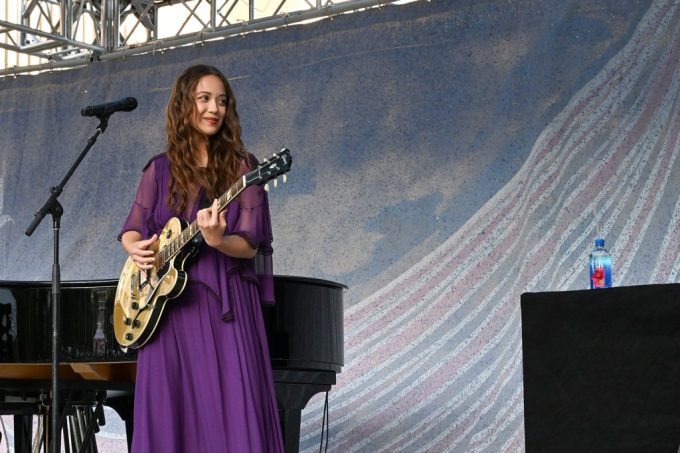
Laufey’s Opening Night Show at LA’s Crypto.com Arena: Best Moments
Laufey opened a two-night stand at Crypto.com Arena in downtown Los Angeles...
Chris Marks6 Mins read
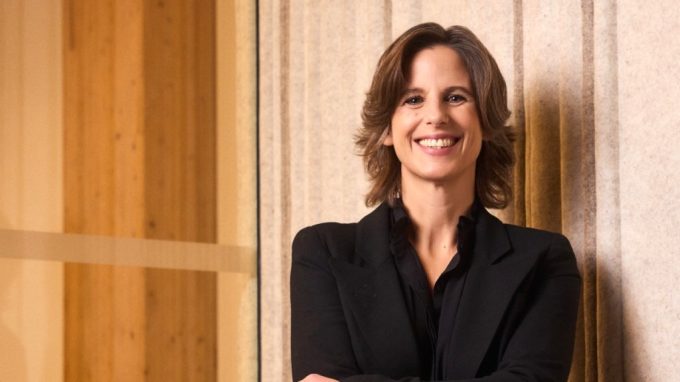
Julie Adam Is Billboard Canada Women in Music’s 2025 Exec of the Year
Julie Adam is having a milestone year — and it’s getting even...
Chris Marks4 Mins read

Spinal Tap Tribute Album with Foo Fighters,Tool for Teen Cancer America
Spinal Tap may be a fake band, but its music is very...
Chris Marks2 Mins read
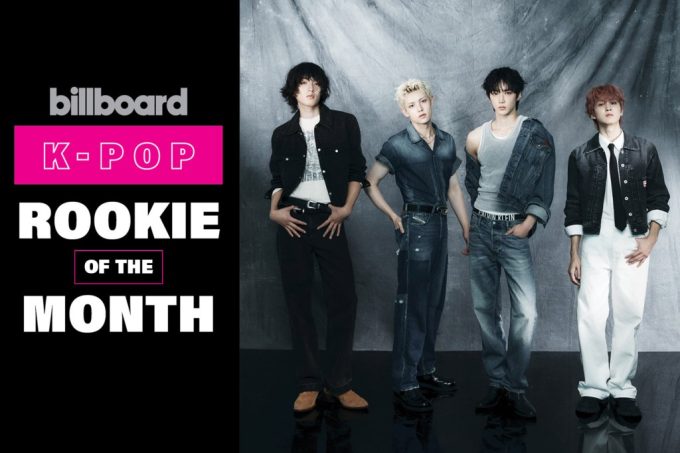
AxMxP Is K-Pop Rookie of the Month for September: Exclusive Photos
Ha Yoo Joon Image Credit: Chin Soyeon You debuted on Sept. 10....
Chris Marks2 Mins read





Leave a comment