

Olivia Rodrigo Breaks Silence: The Unseen Horror Behind Headlines
Amid the chaos of the Israel-Hamas conflict, Olivia Rodrigo’s raw condemnation of the “horrific conditions” challenges us to see beyond sanitized news feeds—forcing a reckoning with the human cost buried beneath the headlines.
 Joseph BennettJuly 14, 20251 Mins read125

The pictures don’t lie, but words rarely capture the full weight of horror. Olivia Rodrigo’s voice, usually tethered to heartbreak and youth, now cuts through the noise with an unexpected sharpness. Her recent outcry against the “horrific conditions” amid the Israel-Hamas war feels like a raw incision—urgent, unfiltered, and refusing to be ignored. But what does it mean when a pop icon steps so boldly into the political maelstrom?
Rodrigo’s statement pierces the usual celebrity veneer, posing a question few dare to ask: how do we reconcile the glamor of stardom with the brutal realities that rage beyond the red carpets and streaming playlists? And perhaps more unsettling—why has it taken so long for some voices to rise above the cacophony of global indifference?
The Sharp Edge of Empathy
Olivia’s words are not just commentary—they are a challenge to the sanitized narratives that dominate social media feeds and news cycles. “The conditions are horrific,” she says, but what does that truly entail? What stories remain unspoken when the camera pans away? The young singer’s stance suggests a deeper reckoning with our collective blindness.
Her voice embodies the restless urgency of a generation that no longer accepts passive consumption of distant suffering. Yet, it also confronts us with discomfort: can empathy survive in an era where outrage is often performative? “If we don’t see it, do we feel it?” Rodrigo seems to ask.
Beyond the Spotlight: Responsibility and Risk
The decision to speak out amid such a volatile conflict carries risks—both personal and professional. For an artist whose audience skews young and impressionable, the stakes are higher than ever. Is Olivia Rodrigo navigating a delicate line between activism and alienation? Or is she redefining what it means to be a modern celebrity in an age where silence can be complicit?
One can’t help but wonder what this means for the future of artistry when political consciousness becomes inseparable from public identity. How long before other stars follow—or retreat?
Olivia Rodrigo’s intervention leaves us suspended in a quiet tension: between awareness and action, between watching and doing. The war rages on, but so does the question—how will we choose to listen when the music fades?





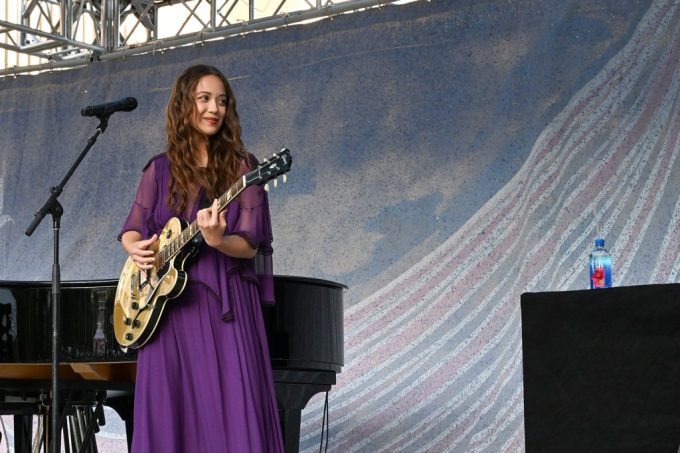
Laufey’s Opening Night Show at LA’s Crypto.com Arena: Best Moments
Laufey opened a two-night stand at Crypto.com Arena in downtown Los Angeles...
 Chris Marks6 Mins read
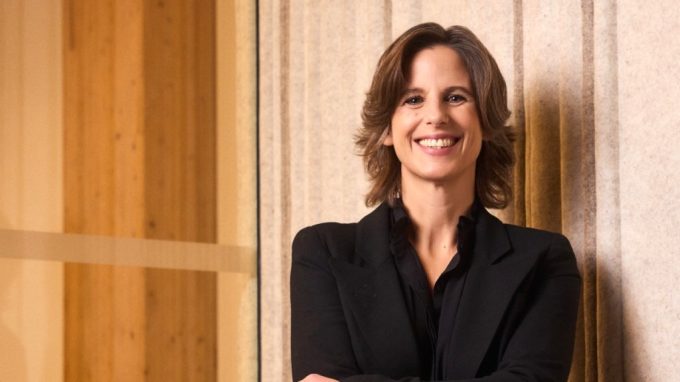
Julie Adam Is Billboard Canada Women in Music’s 2025 Exec of the Year
Julie Adam is having a milestone year — and it’s getting even...
Chris Marks4 Mins read
Spinal Tap Tribute Album with Foo Fighters,Tool for Teen Cancer America
Spinal Tap may be a fake band, but its music is very...
Chris Marks2 Mins read
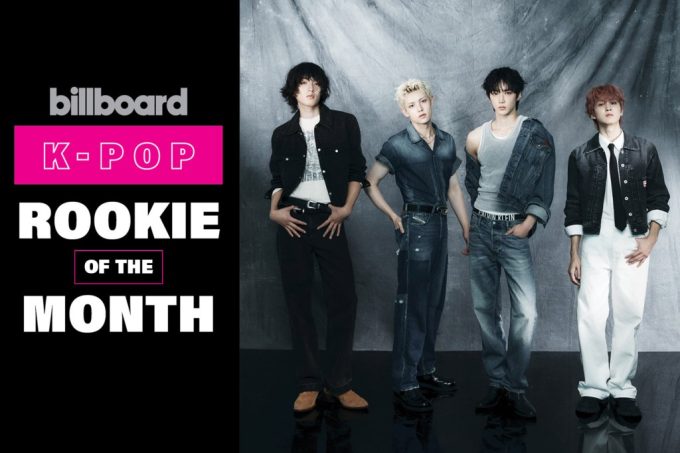
AxMxP Is K-Pop Rookie of the Month for September: Exclusive Photos
Ha Yoo Joon Image Credit: Chin Soyeon You debuted on Sept. 10....
Chris Marks2 Mins read





Leave a comment