

OL Lyonnes: The Rebranding That Could Change Women’s Football Forever
In a bold move, Olympique Lyonnais Féminin, the powerhouse of women's football, has rebranded as OL Lyonnes. But what lies behind this transformation? Is it a new era or a marketing ploy in disguise?
 Joseph BennettMay 19, 20252 Mins read25
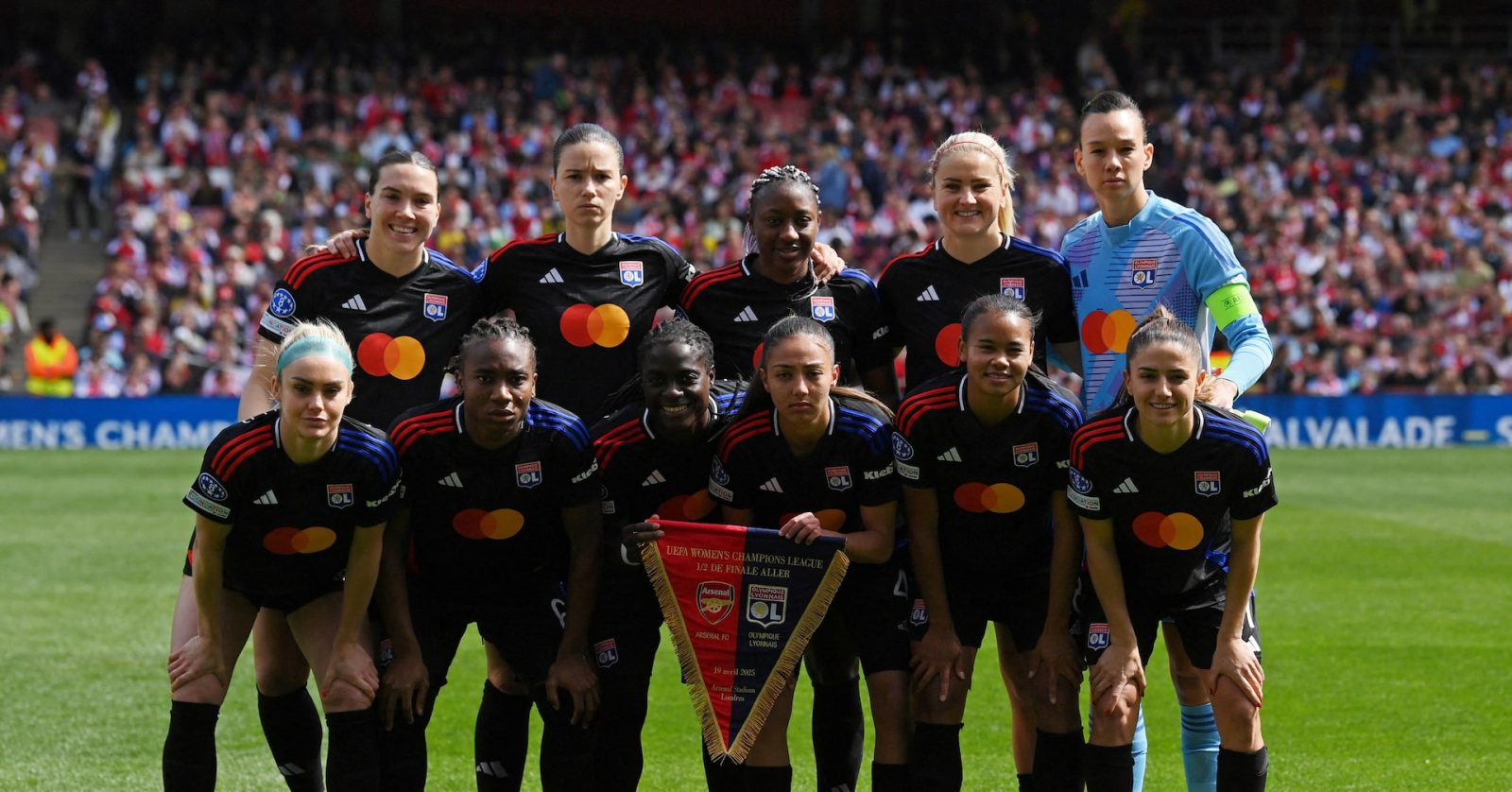
The air was thick with expectation. For years, Olympique Lyonnais Féminin, the undisputed titan of women’s football, stood as a beacon of excellence. But in the swirling chaos of a transforming footballing landscape, a sudden shift: the club, with a swift stroke of branding genius (or perhaps desperation), rebranded itself to OL Lyonnes.
Was this merely cosmetic, or is something deeper at play?
The Weight of Rebranding
Rebranding, for many, is a harbinger of change. But is that change always for the better? OL Lyonnes’ decision to drop the “Féminin” from their name was immediately striking. Lyonnes. A name that rolls off the tongue with a softer, perhaps more feminine touch, yet hints at something bold. The question lingers: Is this an empowerment move for women’s football, or does it reduce the club to a mere marketing strategy designed to increase global appeal?
The club, after all, has an illustrious history. Its dominance in Europe speaks for itself—an astounding 8 UEFA Women’s Champions League titles. Could such a brand pivot signify that a new era is on the horizon, or is it the product of a sport struggling for identity, trying to catch the attention of the masses?
Rebranding or Reinvention?
For some, this change evokes an unnerving feeling of corporate manipulation. Just look at how the once-upon-a-time ‘Féminin’ was so integral to the identity of Lyon’s women’s team. It was more than a suffix—it was a mark of distinction, an acknowledgment that in a football world dominated by men, they stood proudly apart. Now, by switching to OL Lyonnes, are they erasing that distinction, aligning themselves too closely with the men’s side of the club, thereby blurring the lines?
“I think it’s about evolving with the times,” says a team insider. “We’re no longer just the best women’s team; we are simply the best football team. The game has changed.”
Perhaps this is a glimpse of the future. Could women’s football one day simply be football, with no need to distinguish between the two?
Identity Crisis or Cultural Shift?
Yet, beneath the superficial gloss of a name change, there lies an intriguing paradox: Is this new branding a subtle nod to women’s football finally breaking free from its ‘other’ status, or is it a symptom of a sport still tethered to the old-world dynamics of male-dominated football culture?
As the team prepares for the 2025 season under this new banner, questions about identity are bound to rise. How will fans—long-time supporters of Lyon’s women’s team—respond to this shift? Is this change a statement of strength, signaling that women’s football is no longer an afterthought, or does it reflect a growing uncertainty in how to position the women’s game in a sport where the men’s side has long overshadowed?
Lyon’s decision to rebrand is, in many ways, a microcosm of the larger struggle in women’s sports: an ongoing battle between tradition and progress, between recognition and equality.
The Echoing Future
There’s a lingering thought in the air: what does this rebranding mean for the future of women’s football? The Lyonnes’ bold move suggests that the powerhouses of the game are positioning themselves for something grander, something more integrated. As global sponsors flood into women’s football, will the sport remain a separate entity, or will we witness its full-fledged merger with the established footballing hierarchy?
The rebranding of Olympique Lyonnais Féminin is not just a change of name—it’s a statement. The question is: Will it redefine the landscape, or will it be an attempt to dress up an age-old narrative in a new costume?
Will the Lyonnes rise to even greater heights, or will they fall under the weight of their own transformation?





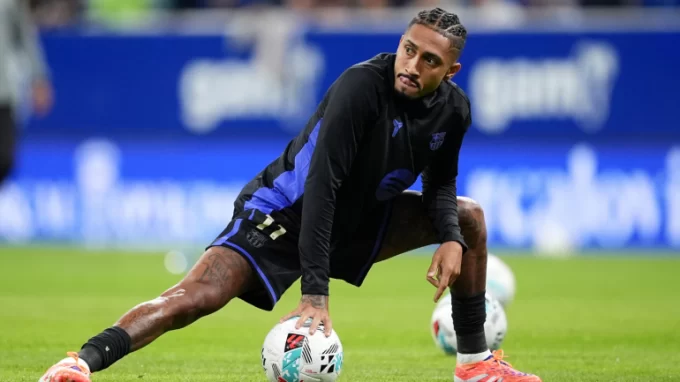
Barcelona’s Fragile Pursuit: When Injuries Threaten More Than Just a Season
A silence spreads over Camp Nou that no roar can drown out—two...
 Chris Marks2 Mins read
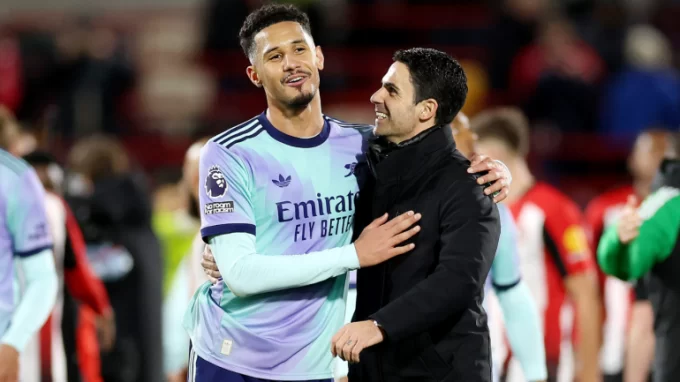
William Saliba: Arsenal’s Silent Architect or Its Greatest Gamble?
The air inside the Emirates shifts with unspoken tension—William Saliba, once a...
Joseph Bennett2 Mins read

Joel Embiid’s Quiet Confidence: Is the 76ers’ Giant Ready to Rewrite His Story?
Joel Embiid is rarely one to make noise without purpose, and now,...
 Kirsten Collins1 Mins read
Juventus, Atalanta, and Arsenal’s Quiet Revolution: What’s Really Shaping This Week in Football?
The roar of Serie A stadiums masks a subtle shift, one that...
Kirsten Collins2 Mins read





Leave a comment