

Flag Football at LA28: NFL’s Olympic Gamble or Global Revolution?
As NFL owners prepare to vote on allowing players to compete in flag football at the 2028 Olympics, the stakes are higher than ever. Is this a strategic move to globalize the sport, or a risky venture that could backfire?
 Kirsten CollinsMay 15, 20251 Mins read29
The NFL’s upcoming decision to permit players to compete in flag football at the 2028 Olympics is more than a policy change—it’s a seismic shift in the sports landscape. Scheduled for July 14–30, 2028, the Los Angeles Games will feature flag football for the first time, and the NFL is at the forefront of this inclusion.
A Strategic Move or a Risky Gamble?
NFL executives, including Peter O’Reilly, have expressed support for the initiative, emphasizing the league’s commitment to growing flag football globally. However, the proposal faces challenges. The resolution would allow only one player per NFL team to participate, plus each team’s designated international player. This limitation raises questions about the selection process and the potential impact on team dynamics.
The Players’ Perspective
NFL stars like Tyreek Hill, Patrick Mahomes, and Tua Tagovailoa have expressed interest in representing Team USA in flag football. Their enthusiasm underscores the growing appeal of the sport among professional athletes. Yet, concerns about injury risks and the timing of the Olympics during the NFL offseason remain significant hurdles.
Global Implications
The inclusion of flag football in the Olympics is a testament to the sport’s rapid global growth. With over 20 million players in more than 100 countries, flag football’s Olympic debut could redefine the global sports hierarchy. However, the dominance of U.S. teams in international competitions raises questions about the competitiveness of the Olympic tournament.
A Pivotal Moment
As NFL owners convene to vote on this resolution, the decision will have far-reaching implications. Will the NFL’s endorsement of flag football at the Olympics be a masterstroke in expanding the sport’s global footprint, or a misstep that overextends the league’s brand? The outcome of this vote could alter the trajectory of both the NFL and the Olympic Games for years to come.





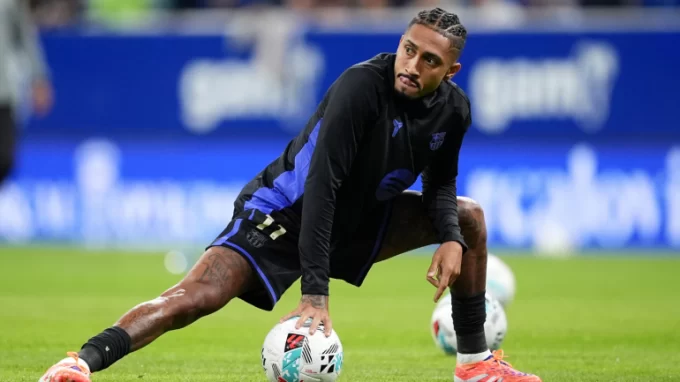
Barcelona’s Fragile Pursuit: When Injuries Threaten More Than Just a Season
A silence spreads over Camp Nou that no roar can drown out—two...
 Chris Marks2 Mins read
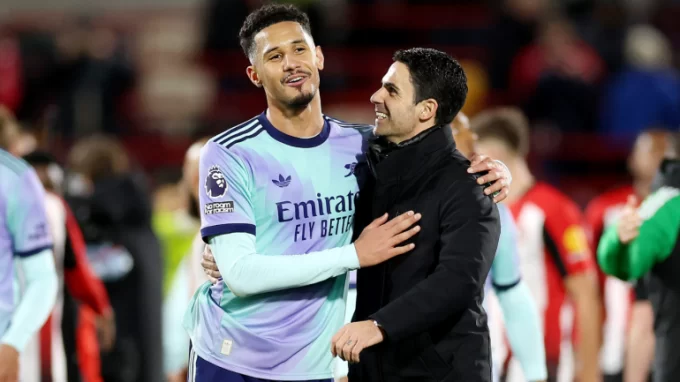
William Saliba: Arsenal’s Silent Architect or Its Greatest Gamble?
The air inside the Emirates shifts with unspoken tension—William Saliba, once a...
 Joseph Bennett2 Mins read
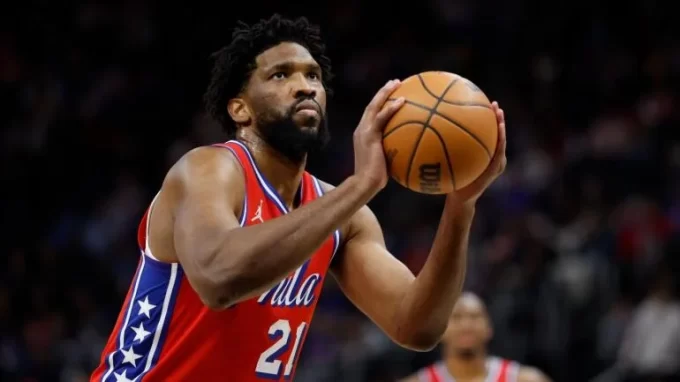
Joel Embiid’s Quiet Confidence: Is the 76ers’ Giant Ready to Rewrite His Story?
Joel Embiid is rarely one to make noise without purpose, and now,...
Kirsten Collins1 Mins read
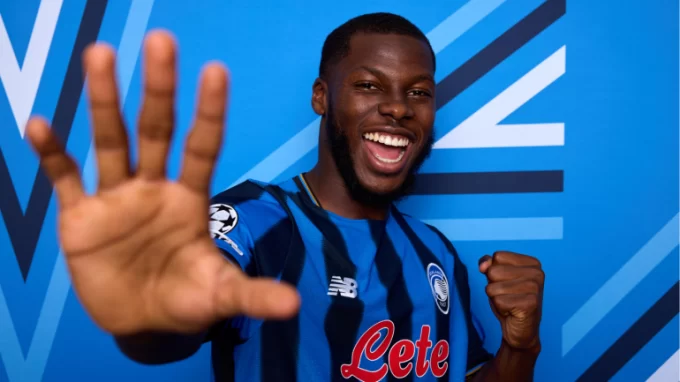
Juventus, Atalanta, and Arsenal’s Quiet Revolution: What’s Really Shaping This Week in Football?
The roar of Serie A stadiums masks a subtle shift, one that...
Kirsten Collins2 Mins read





Leave a comment