

Rick Carlisle’s Defense: When Loyalty Meets the Whirlwind of NBA Finals Fury
In the eye of a storm brewed by harsh NBA Finals Game 4 officiating critiques, Pacers coach Rick Carlisle steps forward to defend referee Scott Foster — but what does this rare stance reveal about the fragile balance between respect, blame, and the human face of the game?
 Kirsten CollinsJune 16, 20251 Mins read22

A single phrase from Rick Carlisle cut through the clamor of outrage after Game 4: “It’s unjust and stupid.” Not about his team’s defeat, but about the relentless criticism aimed at Scott Foster, the official at the heart of the storm. In a spectacle where every call is dissected, dissected again, and weaponized on social media, Carlisle’s voice is a surprising beacon—one that dares to humanize the figure often cast as villain.
In a finals where tension eclipses the scoreboard, referees become lightning rods for frustration, their every whistle scrutinized as if they control fate itself. But Carlisle’s defense invites us to pause—what if the real story is not about blind calls or conspiracies but about the unrelenting pressures those in stripes endure?
Whispers Behind the Whistle
Officiating in the NBA Finals is a tightrope act — perfection demanded, yet impossibility guaranteed. “Scott Foster is a good official, and he deserves better than the vitriol he’s receiving,” Carlisle said quietly, challenging the narrative that casts refs as the enemy. Is the relentless public shaming a reflection of our collective impatience for imperfection, or something deeper—an unspoken anxiety about fairness in high-stakes competition?
Foster’s role transcends calls; he becomes a symbol, a scapegoat, a lightning rod. Carlisle’s rare intervention underscores a painful truth: the human element in officiating is often overlooked in the rush to assign blame.
The Price of Protecting the Game
Defending a referee amid public fury risks alienating fans, yet Carlisle’s stance suggests an unspoken respect that binds players, coaches, and officials alike. It’s a reminder that behind every controversial call is a person balancing split-second decisions under immense pressure. The question lingers: in our pursuit of perfect justice on the court, have we lost sight of the imperfect humanity that powers the game?
Carlisle’s words reverberate beyond this finals series, whispering a challenge to the audience—can we hold space for complexity, for nuance, for empathy? Or are we destined to reduce every moment of imperfection into a story of villainy and outrage?
The court is not just a battlefield of skill and will, but a stage where the fragile threads of respect and resentment intertwine, leaving us to wonder: who really wins when the whistle blows?



Barcelona’s Fragile Pursuit: When Injuries Threaten More Than Just a Season
A silence spreads over Camp Nou that no roar can drown out—two...
 Chris Marks2 Mins read
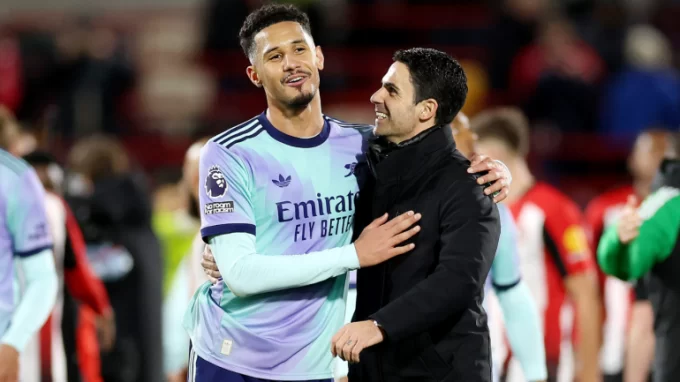
William Saliba: Arsenal’s Silent Architect or Its Greatest Gamble?
The air inside the Emirates shifts with unspoken tension—William Saliba, once a...
 Joseph Bennett2 Mins read
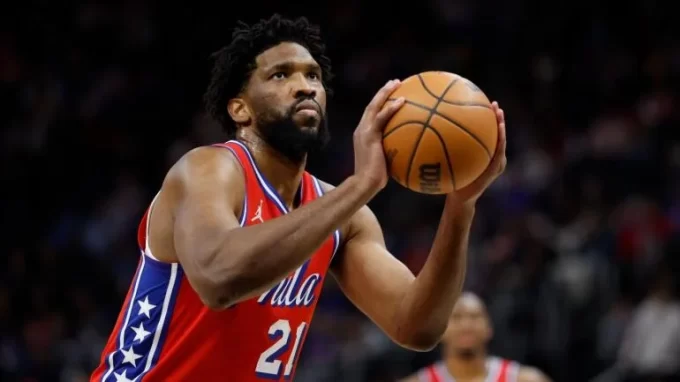
Joel Embiid’s Quiet Confidence: Is the 76ers’ Giant Ready to Rewrite His Story?
Joel Embiid is rarely one to make noise without purpose, and now,...
Kirsten Collins1 Mins read
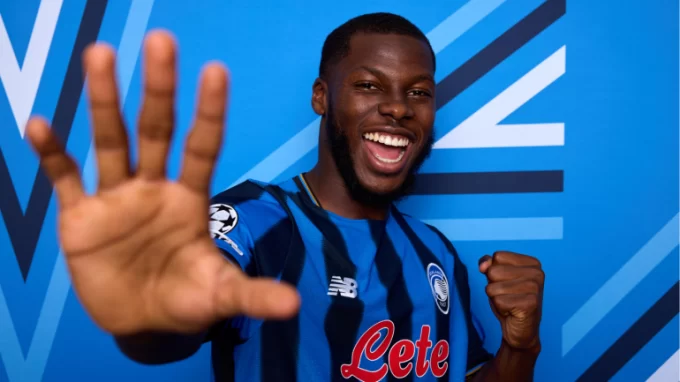
Juventus, Atalanta, and Arsenal’s Quiet Revolution: What’s Really Shaping This Week in Football?
The roar of Serie A stadiums masks a subtle shift, one that...
Kirsten Collins2 Mins read





Leave a comment