

Napa Valley’s Palm Tree Festival: More Than Just Music in the Vines?
A new festival in Napa Valley promises star-studded headliners and a fresh cultural collision—yet beneath the glamour lies a question: can a music festival thrive in wine country’s delicate ecosystem, or is this just another luxury spectacle?
 Joseph BennettJuly 15, 20252 Mins read21
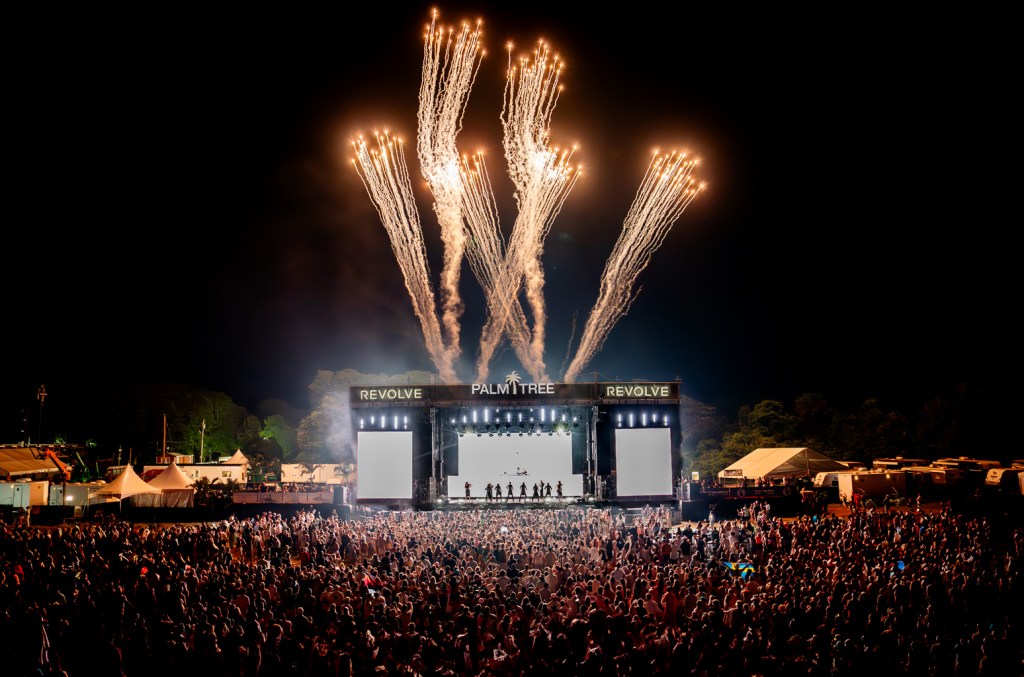
The sun is setting over Napa Valley, but instead of the usual quiet hum of vineyards, a different kind of buzz is emerging. Palm Tree Festival, set to launch with an impressive lineup of headliners, is staking a claim where rolling grapes once reigned supreme. It’s a bold, almost audacious move—mixing the intoxicating allure of wine country with the pulse of modern music culture. But this isn’t just another festival announcement; it’s a cultural experiment poised on the edge of tradition and disruption.
What happens when the refined silence of Napa Valley meets the raucous energy of a music festival? Is this the next evolution of experiential luxury, or an uneasy intrusion into a sacred landscape?
A Collision of Worlds
Napa Valley has long been synonymous with tranquility, exclusivity, and a slow, deliberate appreciation of taste. Now, the festival’s organizers promise to marry that with high-energy performances, headliners who bring global audiences, and the kind of production that could rival the biggest city spectacles. The question is: who truly benefits from this marriage?
One insider mused, “Palm Tree Festival is banking on the idea that culture and luxury aren’t mutually exclusive. But the challenge is preserving what makes Napa unique without turning it into just another backdrop for spectacle.” Beneath the curated Instagram moments and star-studded sets lies a tension: can the land sustain this new identity without losing its soul?
The Mirage of the Perfect Experience
Luxury festivals have a habit of selling more than music—they sell a lifestyle, a fantasy. But how authentic can this fantasy remain when it is woven into a place so deeply tied to nature and tradition? The promise of Palm Tree Festival is seductive, but there’s an undercurrent of uncertainty. Will this event transform Napa into a cultural beacon, or simply another transient echo of fame and excess?
The festival’s debut hints at a broader shift in how we experience place and performance, but it also nudges us to ask: are we ready to redefine sacred spaces as stages? As one attendee put it, “It’s thrilling but disorienting—like watching a beautiful painting being slowly repurposed.”
There is something mesmerizing about this collision—an invitation to witness what happens when worlds designed to exist separately are forced into an uneasy embrace. The real story may lie not in the music or the wine, but in the questions that follow once the last chord fades.






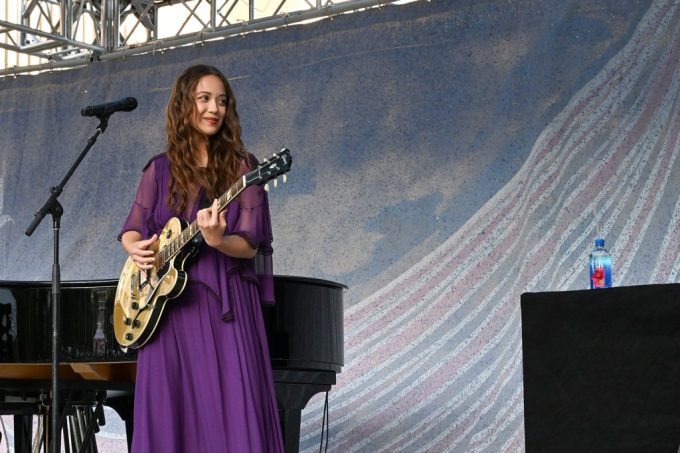
Laufey’s Opening Night Show at LA’s Crypto.com Arena: Best Moments
Laufey opened a two-night stand at Crypto.com Arena in downtown Los Angeles...
 Chris Marks6 Mins read

Julie Adam Is Billboard Canada Women in Music’s 2025 Exec of the Year
Julie Adam is having a milestone year — and it’s getting even...
Chris Marks4 Mins read
Spinal Tap Tribute Album with Foo Fighters,Tool for Teen Cancer America
Spinal Tap may be a fake band, but its music is very...
Chris Marks2 Mins read
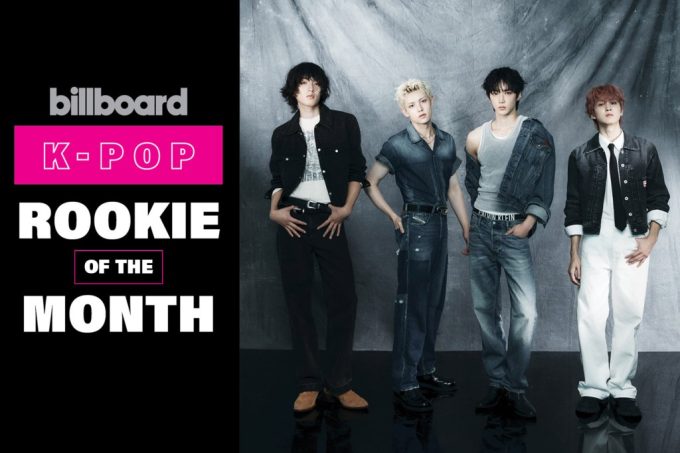
AxMxP Is K-Pop Rookie of the Month for September: Exclusive Photos
Ha Yoo Joon Image Credit: Chin Soyeon You debuted on Sept. 10....
Chris Marks2 Mins read





Leave a comment