

Voices Unchained: Kneecap, Freedom of Expression, and the Music World’s Defiant Stand
In an era where every word is scrutinized and every action dissected, a powerful group of artists is uniting to defend freedom of expression. Kneecap, along with voices like Paloma Faith and Kae Tempest, is at the forefront of a cultural shift—one that forces us to question the boundaries of art, rebellion, and control.
 Chris MarksMay 6, 20252 Mins read32

What happens when art stops being a form of expression and starts being a weapon? When does a song’s message stop being a reflection of the world and start mirroring the very systems trying to suppress it? For a rising chorus of musicians, the line between activism and artistry has blurred so thoroughly that silence isn’t even an option anymore.
Artists like Paloma Faith, Kae Tempest, and Amyl and the Sniffers have now signed a letter in support of Kneecap, the revolutionary Irish rap group known not just for their hard-hitting beats, but for the political weight of their lyrics. The letter is not a mere declaration of support—it’s an act of defiance. At its core, it’s a statement about freedom of expression, an acknowledgment that art can and should challenge the status quo, no matter how uncomfortable it might make the powers that be.
The Quiet Wars We Don’t Hear
The surprising thing about this letter isn’t the musicians who signed it—names like Faith and Tempest are no strangers to controversy—but the sheer volume of voices it represents. These are artists who understand that their words carry power. They know that music has the ability to ignite change, to spark revolutions, and to force conversations that the world isn’t ready to have.
“Art is meant to make people feel something,” says Kae Tempest. “If that feeling is discomfort, even better.” It’s this raw honesty, this unapologetic desire to shake up the established order, that defines the current wave of musical resistance. And perhaps it’s not the message itself that’s most dangerous, but the very act of amplifying it. In a world that thrives on control, on suppressing voices of dissent, these artists are pushing back with every lyric, every verse.
Between Rebellion and Consequence
But is this truly freedom of expression, or is it a calculated risk? When artists like Kneecap dare to expose the raw underbelly of political injustice, they are also exposing themselves to the very real threat of censorship, legal action, or worse. The stakes are high, and the consequences are real. Yet, what’s fascinating about this collective of musicians is not just their courage to speak, but their awareness of the price they may pay for their art.
“We’re not just singing for applause,” says Paloma Faith. “We’re making statements, statements that demand to be heard.” The question remains: who decides what should or shouldn’t be heard? Is it the artist, or is it the powers that be who hold the pen of permission? As the conversation around freedom of expression continues to grow louder, it’s clear that the fight for art’s autonomy is only just beginning.
The Sound of Rebellion
In the end, the question of whether art should be “safe” or “polite” is irrelevant. What matters is whether it continues to push boundaries, to challenge us, to make us confront uncomfortable truths. This letter, this show of solidarity, isn’t just about defending a single group or a single idea; it’s about the very act of keeping the channels open for free expression. As these artists have shown, there’s power in rebellion—and even more power in uniting to protect it.
In the light of all this, what does it mean when we remain silent in the face of such a movement? When does art become not just a weapon of resistance, but a weapon that demands our attention? The revolution may not be televised, but it’s certainly being amplified through the sound of music.
And maybe, just maybe, it’s time to start listening.




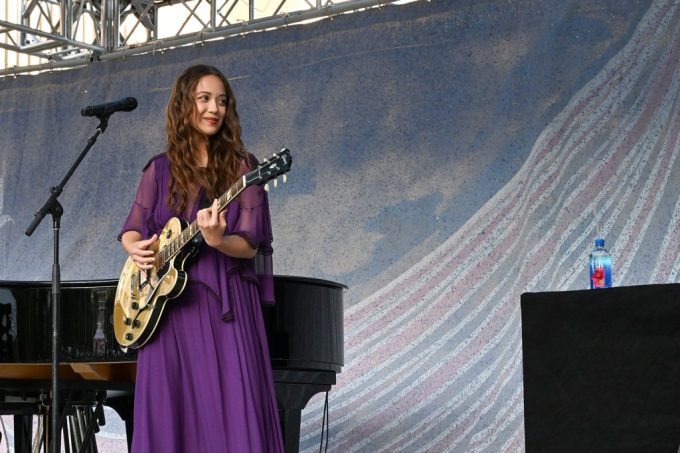
Laufey’s Opening Night Show at LA’s Crypto.com Arena: Best Moments
Laufey opened a two-night stand at Crypto.com Arena in downtown Los Angeles...
Chris Marks6 Mins read
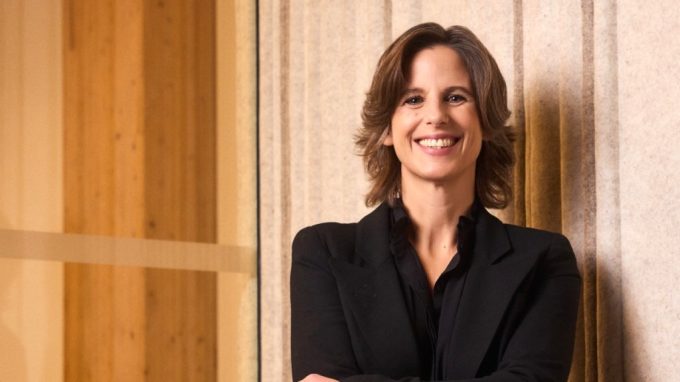
Julie Adam Is Billboard Canada Women in Music’s 2025 Exec of the Year
Julie Adam is having a milestone year — and it’s getting even...
Chris Marks4 Mins read

Spinal Tap Tribute Album with Foo Fighters,Tool for Teen Cancer America
Spinal Tap may be a fake band, but its music is very...
Chris Marks2 Mins read
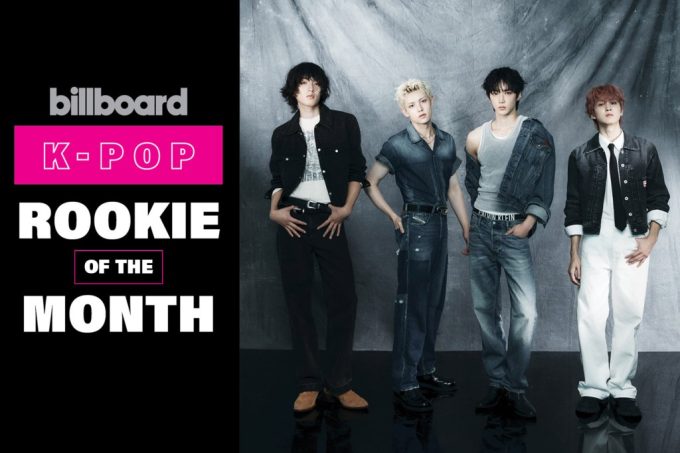
AxMxP Is K-Pop Rookie of the Month for September: Exclusive Photos
Ha Yoo Joon Image Credit: Chin Soyeon You debuted on Sept. 10....
Chris Marks2 Mins read





Leave a comment