

The Halo Effect Is Dead: What Happened to Justin Baldoni’s Mission?
The Wayfarer Foundation was supposed to be about light, service, and celebrity sincerity—so why is it shutting down under a shadow of legal drama and disappearing trust?
 Krista FreelandMay 7, 20252 Mins read37

You can build an empire on goodwill. But when the scaffolding is built from image, even the most radiant mission can collapse without a sound. So it goes with the Wayfarer Foundation—once a Hollywood-laced humanitarian engine fronted by Justin Baldoni, now shuttered quietly amid what can only be described as a collision between idealism and ego.
One week, it was preaching “radical humanity.” The next, it was dissolving in the kind of legal entanglement more familiar in glossy courtroom thrillers than in annual reports. And at the center of it all: Baldoni, Lively, and a lawsuit that reads like a cautionary tale against mixing sanctimony with show business.
When the Message Outshines the Mess
What makes this fall so compelling isn’t the scandal—it’s the silence that surrounds it. The Wayfarer Foundation was meant to be different. Not performative, not celebrity-flavored charity cosplay. It had robes, rituals, and the soft glow of sincerity. And Justin Baldoni, the actor-director-activist with the jawline of a heartthrob and the heart of a monk, stood at its center like a prophet in a Patagonia fleece.
But foundations don’t unravel overnight. They calcify at the edges first. Miscommunication, mismanagement, maybe even misplaced trust. And now, as documents surface linking the closure to a simmering legal drama involving Blake Lively and a tangled project gone awry, it’s hard not to ask: was Wayfarer always a beacon—or just a mirror?
One insider said of the foundation’s demise, “It’s heartbreaking, but not surprising. Hollywood loves a cause until the cause starts asking questions.” That’s the thing about radical transparency—it cuts both ways.
The Saint, the Star, and the Shell Game
Justin Baldoni, to his credit, never positioned himself as infallible. But there’s something unsettling about how swiftly the spiritual scaffolding gave way to strategic silence. Lively’s name, once whispered with admiration for her behind-the-scenes philanthropy, is now tangled in legal claims, project rights, and the kind of friction that rarely makes it into a Netflix docuseries.
There’s no satisfying villain here. Just a slow, quiet decay of something that once shimmered. Maybe it was never built to last. Or maybe this is the inevitable end when sincerity becomes a strategy. Either way, the collapse of Wayfarer feels less like a scandal and more like a symbol—of the gap between what celebrities say they stand for, and what they’re willing to fight for when no one’s watching.
—
The website is still up, for now. A few quotes, a few photos, a final flicker of a brand that once traded in salvation. But scroll long enough and the mission statement reads less like gospel and more like ghostwriting.
And isn’t that the tragedy of our times—that we can’t tell the difference anymore?




When Mercy Meets Tragedy: The Widow Who Forgave Her Husband’s Killer
The air thickens when forgiveness enters a room meant for grief. Imagine...
 Chris Marks1 Mins read
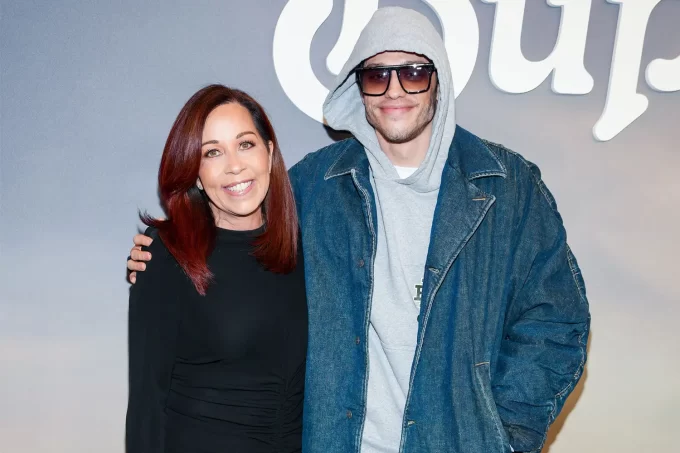
When Fear Became a Lifeline: Pete Davidson’s Reckoning in Rehab
There’s a silence that follows a mother’s voice when she confesses her...
 Joseph Bennett1 Mins read
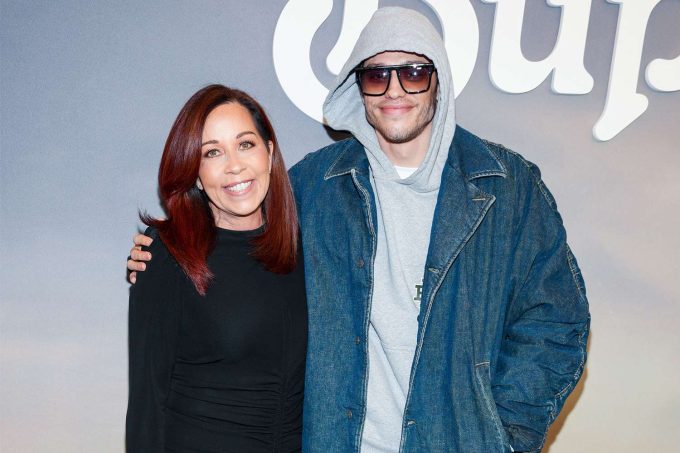
Pete Davidson’s mom told him in rehab worst fear was learning he died
Pete Davidson is opening up about the heartbreaking moment he had with...
Chris Marks2 Mins read

Katie Couric’s Unexpected Spin on Sydney Sweeney’s American Eagle Ad: What’s Really Being Said?
Katie Couric stepping into a scene dominated by Gen Z glamour feels...
Krista Freeland2 Mins read





Leave a comment