

Pauline Anna Strom’s ‘Echoes, Spaces, Lines’: Music from a Mind Beyond Time
In Echoes, Spaces, Lines, Pauline Anna Strom composes with dimensions, not instruments—reminding us that true futurism doesn’t predict the future, it transcends it.
 Kirsten CollinsJanuary 6, 20241 Mins read31

The synthesizers don’t play melodies—they breathe. Echoes, Spaces, Lines, the posthumous release from Pauline Anna Strom, feels less like an album and more like the ghost of a language we were never taught. It doesn’t ask to be understood. It asks to be felt—and then, forgotten like a dream.
Strom, a blind composer and mystic who passed in 2020, made music as if time were merely one texture among many. With this final release, compiled from unearthed recordings and unreleased works, her vision expands further into the ether. You don’t listen to this album. You float through it.
Sound That Isn’t Sound—But Shape
Across the tracks, synths hum like tectonic plates. There are no hooks, no choruses—only gentle tectonics shifting beneath your awareness. “In her music,” one curator said, “Pauline wasn’t describing space. She was space.” That truth is nowhere more evident than in pieces like “Fourth Archway” and “Liminal Forms,” where silence feels sculpted, and every note seems to remember where it’s been.
The album operates like a séance for the future—Strom isn’t composing toward anything. She’s inviting us inward. There’s no rise, no climax, just a continuous arrival. And somehow, that becomes its own form of grace.
Is This What a Soul Sounds Like?
This is not music for multitasking. It resists functionality. It slows you down to a cellular level. The lines of sound feel drawn with a finger in sand—impermanent, essential. And yet there’s structure in the drift. Order inside the cosmic drift.
Strom believed in other dimensions, and Echoes, Spaces, Lines sounds like it was written from one. There’s something unspeakably intimate about it—like being handed a map to a place you’ll never visit, but already miss.
By the end, nothing concludes. The sound simply fades into another timeline—hers, ours, both. And you’re left with the unsettling thought: maybe we haven’t caught up to her. Maybe we never will.






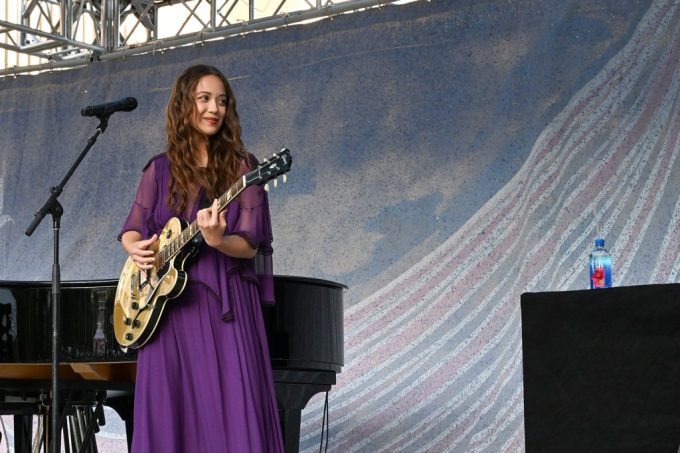
Laufey’s Opening Night Show at LA’s Crypto.com Arena: Best Moments
Laufey opened a two-night stand at Crypto.com Arena in downtown Los Angeles...
 Chris Marks6 Mins read
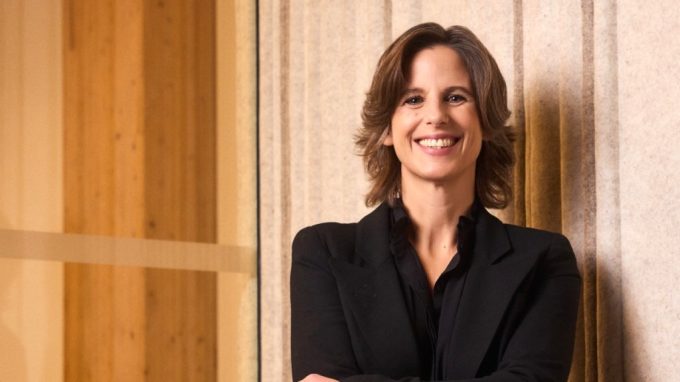
Julie Adam Is Billboard Canada Women in Music’s 2025 Exec of the Year
Julie Adam is having a milestone year — and it’s getting even...
Chris Marks4 Mins read

Spinal Tap Tribute Album with Foo Fighters,Tool for Teen Cancer America
Spinal Tap may be a fake band, but its music is very...
Chris Marks2 Mins read

AxMxP Is K-Pop Rookie of the Month for September: Exclusive Photos
Ha Yoo Joon Image Credit: Chin Soyeon You debuted on Sept. 10....
Chris Marks2 Mins read





Leave a comment