

When Former Siblings Became Too Close
Sophie Turner and Kit Harington reunited on-screen—but their first kiss in The Dreadful was so discomforting it left them both literally retching.
 Krista FreelandAugust 14, 20252 Mins read28

The camera rolled—and Sophie Turner gagged. Not from fear, not from terror, but from an intimate moment so charged by history that the first kiss in The Dreadful reversed time, dredging up eight years of siblinghood into one gut‑twisting frame.
Turner, who now produces, thought Kit Harington the perfect counter‑pulse to her Anne. She sent him the script and paused—not for the gothic setting, but when she realized the characters would kiss. “That’s my brother,” she said, stomach in knots. Harington replied, hesitantly, “This is going to be weird, Soph.” Yet they both agreed—the script was too dark, too compelling—to walk away. Yet that first scene was cruel: “We are both retching… really, it is vile—it was the worst.” She even confessed—kissing Harington was worse than filming drenched in cockroaches.
Unexpected Gravity
These aren’t just actors. They’re co-authors of memory: Sansa, Jon, siblings forged in ice and war, now forced into desire. That collision—a shared identity reborn as unease—is the film’s most vivid, uneasy brushstroke.
The movie rests in Natasha Kermani’s hands, a gothic horror set in the Wars of the Roses, where Turner plays Anne and Harington incarnates Jago, the outsider whose return disturbs quiet violence. It’s not just a film—it’s a haunting reconstitution of a bond that was never romantic, until now.
Familiarities That Unsettle
Think of it: two actors whose names were once households because of their half‑sibling roles in Game of Thrones, now entrapped by the echoes of that past. Turner admitted, with a wry grimace, that the kiss was so unsettling it registered deeper than crawling roaches ever could.
This isn’t discomfort born of poor chemistry—it’s the gravity of nostalgia, of a shared past refusing to loosen its hold. Each retch echoes refracted intimacy—familiar turned strange, memory reversed.
They rejected distance—committed to the tale—but that first kiss slipped them back into the past’s uncanny valley. The project continues to post‑production, and while release dates remain unspoken, this kiss will linger long in audience memory.
Ultimately, the moment does not close the door—but swings it ajar, inviting us to wonder: how deeply can a shared past infect intimacy, and can actors ever fully emerge from the roles that defined them?
Just like that—unsettled, unsteady, and whispering between takes.






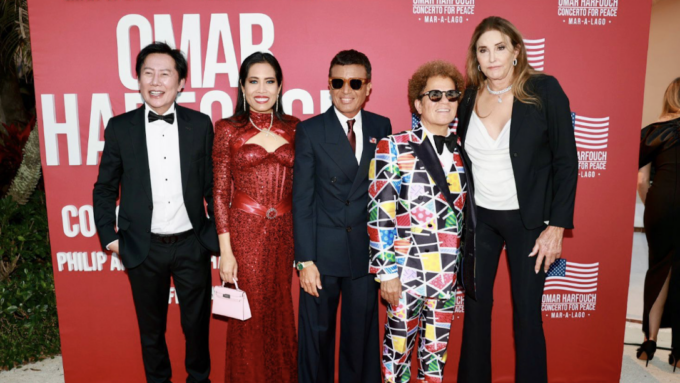
Pianist Omar Harfouch Brings Celebrated Figures Together for a Night of Cultural Exchange – Hollywood Life
Image Credit: Omar Harfouch On February 20, 2026, pianist and cultural figure...
 Kirsten Collins2 Mins read
Who Is Ivana Lisette Ortiz? About the Rihanna Home Shooting Suspect – Hollywood Life
Image Credit: WWD via Getty Images The suspect in the March 8,...
Kirsten Collins1 Mins read
How Much Money Does She Have Now? – Hollywood Life
Image Credit: WWD via Getty Images Rihanna may be known as one...
Kirsten Collins2 Mins read
Stars Who Slammed ‘Love Story: JFK Jr. & Carolyn Bessette’: Statements – Hollywood Life
Image Credit: Getty Images FX’s Love Story: John F. Kennedy Jr. and...
Kirsten Collins2 Mins read





Leave a comment