

People Are Envious of That — But What Is “That,” Really?
Everyone envies something, but what if the thing we desire most is a mirage? Behind the glossy surface of success and envy lies a question few dare to ask: what do we truly covet, and why?
 Chris MarksAugust 13, 20251 Mins read23

The words hit like a whisper but linger like a shout: “People are envious of that.” But what is “that”? Is it the sleek car glinting under neon lights, the effortless charisma on screen, or the carefully curated image we scroll past on endless feeds? The real question is not who envies whom, but why envy persists as a cultural currency, traded silently in the shadows of our collective consciousness.
Envy is more than just a feeling; it’s a lens that distorts reality. What looks like perfection is often a façade, a delicate artifice wrapped in filters and stage lights. Yet, envy gnaws relentlessly, suggesting that happiness or status can be possessed, if only we had what they have. But can “that” ever truly satisfy? Or is it a ghost we chase, destined always to elude?
The Mirage Behind the Curtain
The truth is slippery. Envy often masks deeper insecurities and societal fractures. When someone declares, “People are envious of that,” what they’re really admitting is the power of perception. In a world obsessed with appearances, “that” becomes less about tangible achievement and more about the story we tell ourselves and others.
One insider reflected, “It’s less about what they have and more about what we think they have.” This subtle shift reveals envy as a cultural performance, a dance between reality and desire that few step away from unscathed. If envy is a currency, it’s one paid in illusions.
When Envy Becomes the Point
But what happens when envy ceases to be a fleeting sentiment and instead becomes the driving force behind culture itself? When entire industries—from fashion to tech—capitalize on cultivating desire, are we not caught in an endless cycle of wanting?
This cycle raises uncomfortable questions: Are we envying actual success or the promise of transformation it suggests? Is envy a symptom of a deeper cultural emptiness? And perhaps most provocatively—can envy be harnessed for something other than discontent?
Envy is often whispered about, dismissed as petty or corrosive. Yet it persists, shaping trends, identities, and ambitions. The next time someone says, “People are envious of that,” listen carefully. Because “that” might be far less what you expect—and far more what you need to understand about yourself.
Is envy the shadow of our desires, or the mirror reflecting what we refuse to confront?








Laufey’s Opening Night Show at LA’s Crypto.com Arena: Best Moments
Laufey opened a two-night stand at Crypto.com Arena in downtown Los Angeles...
Chris Marks6 Mins read

Julie Adam Is Billboard Canada Women in Music’s 2025 Exec of the Year
Julie Adam is having a milestone year — and it’s getting even...
Chris Marks4 Mins read

Spinal Tap Tribute Album with Foo Fighters,Tool for Teen Cancer America
Spinal Tap may be a fake band, but its music is very...
Chris Marks2 Mins read
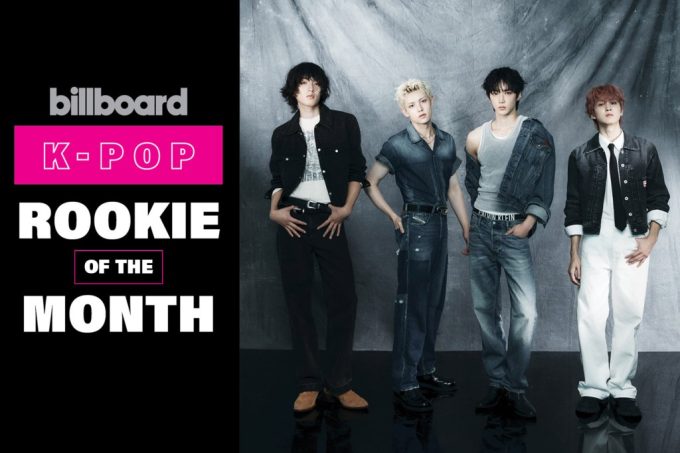
AxMxP Is K-Pop Rookie of the Month for September: Exclusive Photos
Ha Yoo Joon Image Credit: Chin Soyeon You debuted on Sept. 10....
Chris Marks2 Mins read





Leave a comment