

Pompeii Never Sleeps: Pink Floyd’s Timeless Return
Pink Floyd is on the brink of their seventh UK number one album—not with new material, but with a ghost from the past, echoing through the ruins of Pompeii. The question isn’t why now, but what it means that it still matters.
 Chris MarksMay 6, 20252 Mins read32
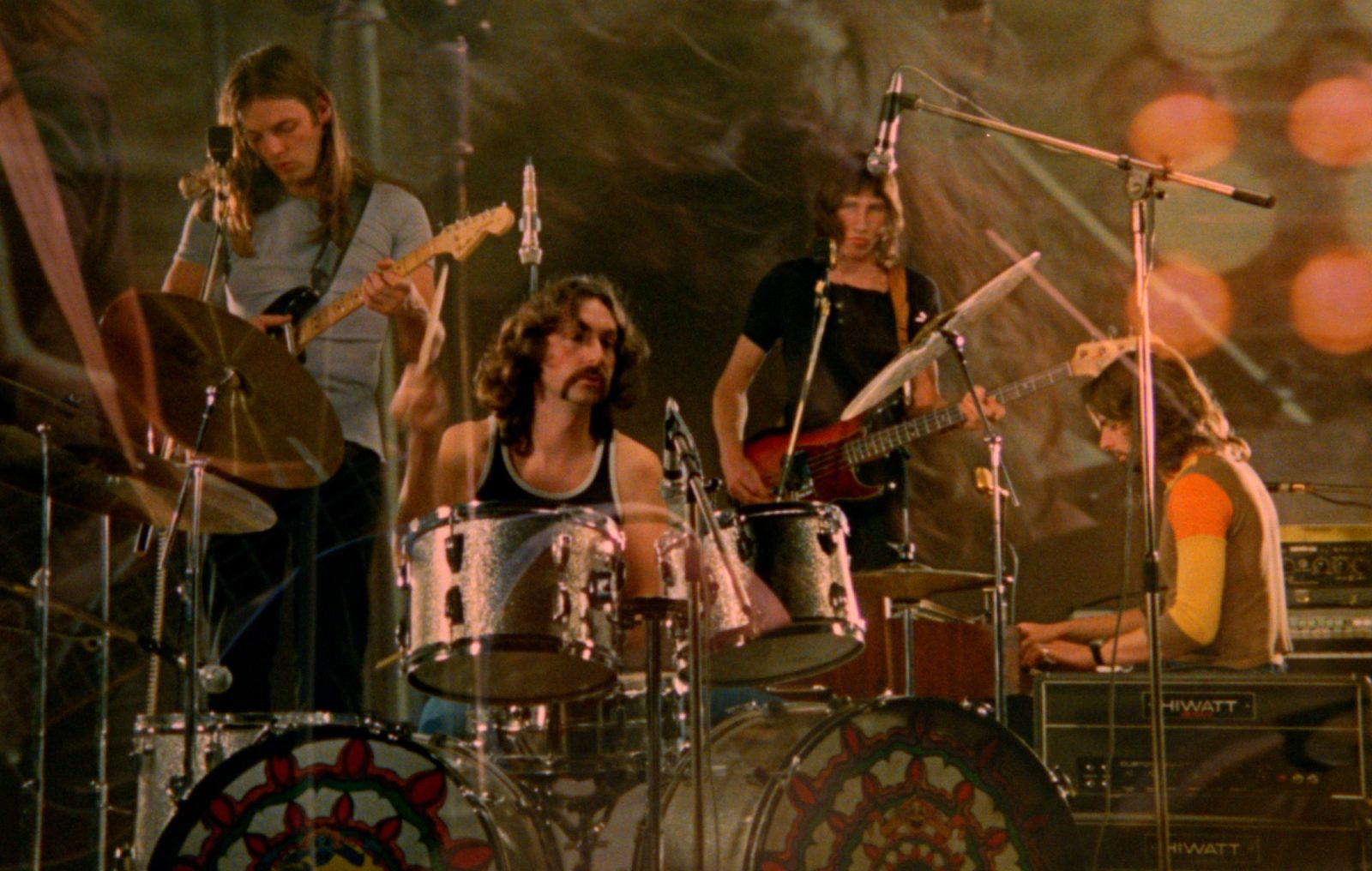
The amphitheatre of Pompeii was never supposed to hear electric sound. But it did once—on a spectral day in 1971 when Pink Floyd performed to an audience of none, save for the ghosts of a city buried in ash. Now, over half a century later, that same sonic séance has climbed back toward the top of the UK charts, poised to become the band’s seventh number one. Not a studio experiment, not a reunion album, but a live recording from the edge of oblivion.
You have to ask: what is it we’re really listening to? Is it the music, the myth, or the miracle that something so haunted could feel so alive again? This isn’t nostalgia—it’s archaeology. The Live at Pompeii album is an artifact that breathes, a reminder that some sounds are too carved in time to fade. It’s not just Pink Floyd’s past that’s resurfacing. It’s ours.
Echoes Through Stone and Vinyl
What makes Pompeii’s return to the charts more than just another reissue is that it doesn’t feel like a release. It feels like a warning. There’s something uneasy about hearing “Echoes” rise again beneath the shadow of Vesuvius, as though Pink Floyd knew they were scoring not a concert, but a civilization’s final note. And now, we spin it again. Why?
There’s a theory, passed quietly among certain critics, that the reason Live at Pompeii endures is because it never quite resolved. No applause, no crowd noise, no climax. Just tension, reverberation, decay. “It was always more séance than show,” Gilmour once said of that strange, silent performance. And maybe that’s the point. In an age of algorithmic playlists and artificial pop formulas, this album is raw, imperfect, unsettlingly real.
The Silence That Outsells the Noise
There’s a cultural ache at the heart of this resurgence. Floyd’s music—specifically Pompeii—doesn’t belong to the past. It floats above it, immune to relevance, too big for the now. It is now that feels irrelevant beside it. What does it say about our musical climate that a nearly wordless performance in a ruined city outsells contemporary albums engineered for virality?
The answer might lie not in the music but in the space between it. The pauses, the echoes, the breathing room we no longer give art to unfold. We crave that spaciousness now, not as a luxury, but as an escape. Floyd gives us not answers, but amplitude. A place to get lost in.
So we listen. Not because we want to remember, but because we want to feel something built to last.
And Pompeii, it seems, is still listening back.








Laufey’s Opening Night Show at LA’s Crypto.com Arena: Best Moments
Laufey opened a two-night stand at Crypto.com Arena in downtown Los Angeles...
Chris Marks6 Mins read

Julie Adam Is Billboard Canada Women in Music’s 2025 Exec of the Year
Julie Adam is having a milestone year — and it’s getting even...
Chris Marks4 Mins read

Spinal Tap Tribute Album with Foo Fighters,Tool for Teen Cancer America
Spinal Tap may be a fake band, but its music is very...
Chris Marks2 Mins read

AxMxP Is K-Pop Rookie of the Month for September: Exclusive Photos
Ha Yoo Joon Image Credit: Chin Soyeon You debuted on Sept. 10....
Chris Marks2 Mins read





Leave a comment