

When the Last Chord Fades, Who Inherits the Reverb?
The death of Australian rock legend Johnny “The Wild” O’Keefe at 89 isn't just the end of a life—it’s the slow fade of a sound that once split radio signals like a switchblade. But why does it feel like no one's listening?
 Chris MarksAugust 6, 20252 Mins read17

There’s a certain silence that follows a death—not the funereal hush, not the media obituary churn—but something stranger, emptier, and more final: cultural amnesia. When news broke that Johnny O’Keefe had died at 89, most headlines seemed to whisper rather than scream. And maybe that’s the most damning note of all. For a man who once snarled his way through every transistor radio from Sydney to Surfers Paradise, his passing landed like a dropped mic—no feedback, no encore, just static.
O’Keefe wasn’t just Australia’s answer to Elvis. He was Australia’s refusal to be quiet. Slick hair, suits tighter than a drumline, and a scream that didn’t ask for permission—it demanded airplay. In the 1950s, while America was busy baptizing its suburbs in doo-wop and denim, Johnny electrified a continent still clutching wartime austerity. His rebellion came in three-minute bursts, blitzing radio with something loud, sexual, and unmistakably alive. He made rock feel like permission to misbehave. So why does his name barely crackle in the modern ear?
The Gods That Fame Forgot
There’s a particular cruelty to being first. You kick down the door, only to watch others walk through it into spotlighted arenas you never reached. O’Keefe was that for Australian music—a pioneer who built the bridge and rarely got to cross it. Before AC/DC, before INXS, before the global pop-glamour of Kylie and the indie swagger of Tame Impala—there was Johnny, screaming into the void.
He suffered the fate reserved for trailblazers: worshipped in the moment, mythologized briefly, and then quietly archived. His voice—raw, cracked, and glorious—wasn’t digitally remastered. It wasn’t playlisted. It wasn’t viral. “Johnny didn’t just sing,” one former roadie once said, half-drunk at a reunion gig, “he detonated.” But explosions leave craters. And we don’t like to look into them for too long.
It begs the question: how does a nation forget the sound that once defined its rebellion?
Static in the Signal
It’s not just nostalgia that feels endangered—it’s memory itself. O’Keefe’s death is a reminder that cultural legacies don’t always die with a bang. Sometimes, they dissolve like reel-to-reel tape left in the sun. You won’t hear him on TikTok. He’s not trending. His lyrics weren’t epiphanies; they were war cries. And in an era of algorithmic cool, that kind of honest raucousness feels almost alien.
There’s a larger tension here: our obsession with the new—new sound, new fame, new packaging—versus the inconvenient persistence of those who came before. Johnny O’Keefe didn’t fit the mold because he was the mold. And we’ve spent decades pretending we invented it ourselves. Legacy, it turns out, is only as loud as the culture willing to remember it.
So now what? Do we archive him under “retro novelty,” or do we listen harder for echoes of that scream still buried beneath the noise? Johnny O’Keefe isn’t just a figure of the past—he’s a challenge. A dare to pay attention. Because maybe the most rock and roll thing isn’t being remembered… but refusing to be erased.


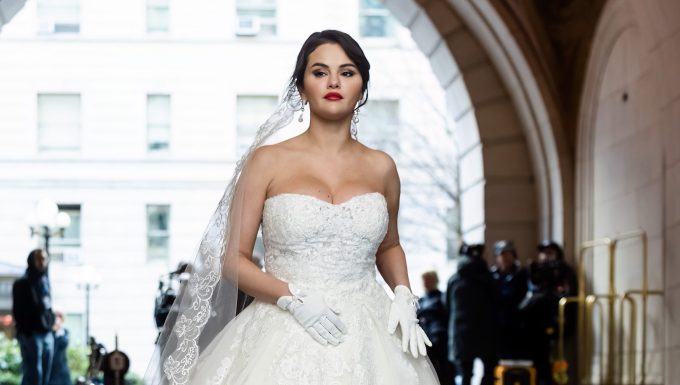




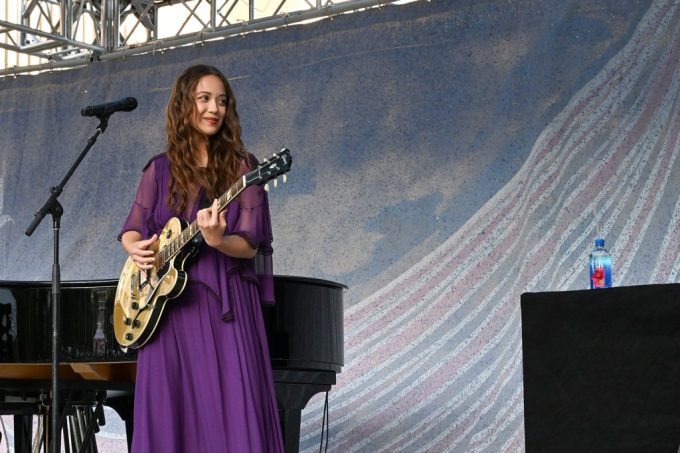
Laufey’s Opening Night Show at LA’s Crypto.com Arena: Best Moments
Laufey opened a two-night stand at Crypto.com Arena in downtown Los Angeles...
Chris Marks6 Mins read

Julie Adam Is Billboard Canada Women in Music’s 2025 Exec of the Year
Julie Adam is having a milestone year — and it’s getting even...
Chris Marks4 Mins read
Spinal Tap Tribute Album with Foo Fighters,Tool for Teen Cancer America
Spinal Tap may be a fake band, but its music is very...
Chris Marks2 Mins read
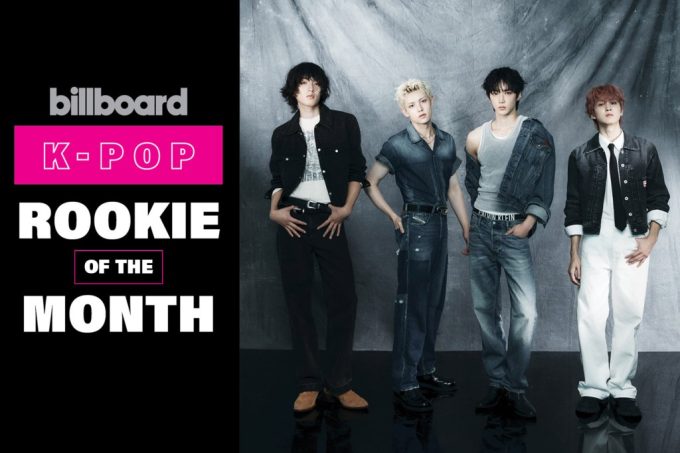
AxMxP Is K-Pop Rookie of the Month for September: Exclusive Photos
Ha Yoo Joon Image Credit: Chin Soyeon You debuted on Sept. 10....
Chris Marks2 Mins read




Leave a comment