

When Focus Fails: O’Neil Cruz and the Weight of a Moment Forgotten
Benched for losing track of outs, O’Neil Cruz’s moment of lapse reveals deeper questions about energy, accountability, and the unforgiving spotlight on young MLB stars.
 Kirsten CollinsJune 25, 20251 Mins read16

The scoreboard blinks, the crowd murmurs—but somewhere in the shifting chaos of a high-stakes game, a simple fact slipped through the cracks: how many outs remained? O’Neil Cruz, one of the Pittsburgh Pirates’ brightest young prospects, found himself benched not for a missed catch or failed hit, but for losing track of the game’s most fundamental rhythm.
Was this moment a mere blip of forgetfulness, or a deeper symptom of a player under pressure, teetering on the edge of expectation and exhaustion?
The Invisible Strain Behind the Spotlight
In professional sports, energy is currency. Not just physical stamina, but mental clarity—the kind that separates instinct from error. Cruz’s lapse exposes a raw vulnerability: even the most talented can falter when the game’s pulse becomes a blur. As one coach confided, “It’s not just about skill; it’s about showing up fully, every moment.”
The question lingers: what does it take to maintain focus when every glance, every move, is scrutinized?
Benchmarks of Accountability
Benchings are often seen as punishment, but here, the Pirates’ decision speaks to a larger culture of responsibility—both personal and collective. Cruz’s mistake wasn’t just a missed detail; it was a signal that effort and engagement are non-negotiable in a sport where the margins between triumph and failure are razor-thin.
And yet, what toll does this relentless demand take on a young athlete’s psyche? A teammate reflected, “We all have our off moments, but the pressure to perform is relentless. It makes you wonder how much grace there really is.”
O’Neil Cruz’s benching is a flashpoint—a moment that reveals the invisible battles waged behind the spectacle of baseball. Focus can falter, but the game doesn’t pause. It propels forward, indifferent to mistakes, hungry for perfection.
Does this incident mark the beginning of a hard lesson, or the unraveling of something more profound? In baseball, as in life, the answers are rarely clear, but always compelling.






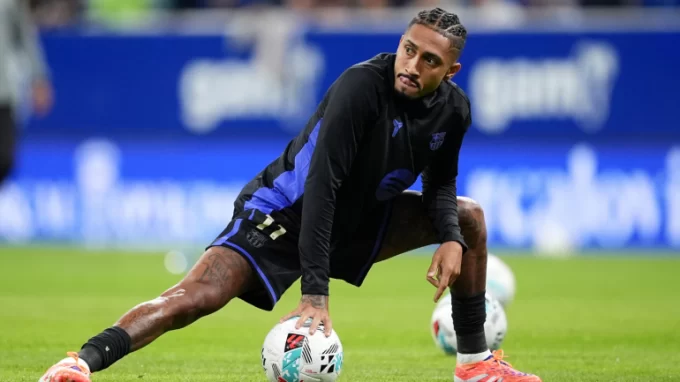
Barcelona’s Fragile Pursuit: When Injuries Threaten More Than Just a Season
A silence spreads over Camp Nou that no roar can drown out—two...
 Chris Marks2 Mins read
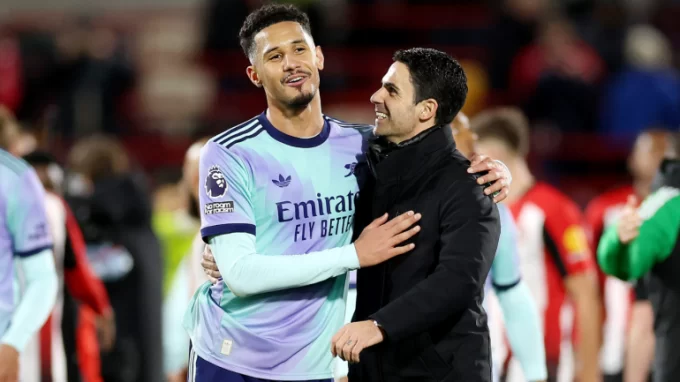
William Saliba: Arsenal’s Silent Architect or Its Greatest Gamble?
The air inside the Emirates shifts with unspoken tension—William Saliba, once a...
 Joseph Bennett2 Mins read
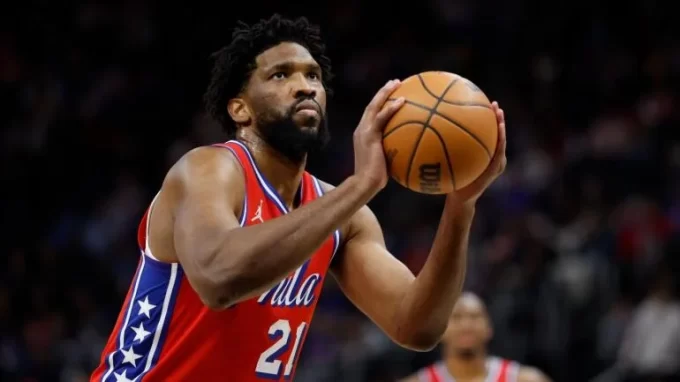
Joel Embiid’s Quiet Confidence: Is the 76ers’ Giant Ready to Rewrite His Story?
Joel Embiid is rarely one to make noise without purpose, and now,...
Kirsten Collins1 Mins read
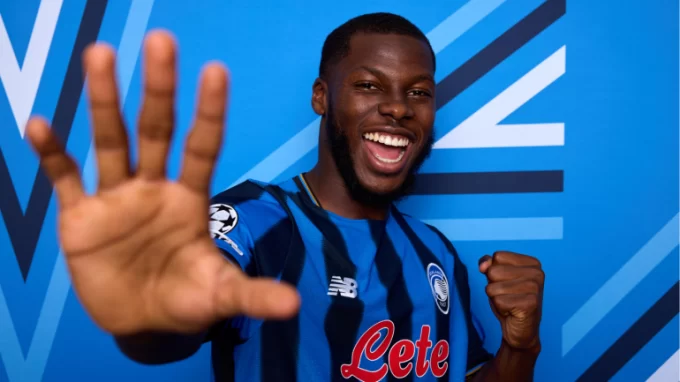
Juventus, Atalanta, and Arsenal’s Quiet Revolution: What’s Really Shaping This Week in Football?
The roar of Serie A stadiums masks a subtle shift, one that...
Kirsten Collins2 Mins read




Leave a comment