

When Plaves’ “Kakurenbo” Tops the Charts, What’s Mrs. Green Apple Really Saying?
As Plaves’ haunting “Kakurenbo” ascends to No. 1, Mrs. Green Apple floods the charts with 23 tracks—an unprecedented surge that feels less like coincidence and more like a seismic shift. What hidden stories ripple beneath this musical tidal wave?
 Krista FreelandJuly 17, 20251 Mins read24

The charts don’t lie, but what if they whisper secrets we’re too quick to overlook? Plaves’ “Kakurenbo” — a song cloaked in mystery and subtle menace — just took the top spot, overshadowing a tidal wave from Mrs. Green Apple, who stormed the charts with 23 tracks simultaneously. The question is: what’s really happening beneath these numbers? Is it a clash of titans, a cultural moment crystallizing, or an echo of something more enigmatic?
This isn’t merely a competition for attention; it’s a narrative about presence, identity, and the surprising shape of modern music’s influence. “Kakurenbo,” which means “hide and seek” in Japanese, feels almost too apt for a scene where artists hide in plain sight—some emerging, others overwhelming.
When Silence Speaks Louder Than Noise
Mrs. Green Apple’s unprecedented dominance—23 songs charting at once—could be mistaken for saturation, but it’s more like an exclamation point. Are we witnessing the rise of a new archetype in Japanese pop culture? One that challenges the notion of the “single hit,” favoring instead a sprawling, immersive presence that refuses to be confined by traditional formats? Their approach asks the listener not to chase fleeting hooks, but to dive into an ocean of sound that overwhelms and seduces simultaneously.
And then there’s Plaves, quietly breaking through with a song that feels both intimate and cryptic. “Kakurenbo” isn’t just a melody; it’s a mood, a shadowy presence pulling at the edges of the mainstream. As one fan mused on social media, “It’s like the song knows something you don’t—and maybe it wants you to find out.”
Chart Wars or Cultural Conversations?
The juxtaposition of Plaves and Mrs. Green Apple on the charts sparks more questions than answers. Is this a mere rivalry or a reflection of broader shifts in how audiences consume music? Streaming platforms have blurred boundaries, but have they also reshaped the very language of chart success? The old models of competition seem inadequate to capture the layered realities of today’s music landscape.
What does it mean for an artist to dominate the charts in a deluge of tracks, while another claims the peak with a single, enigmatic song? Perhaps the charts aren’t just about popularity—they’re a mirror, reflecting the restless, often contradictory desires of a generation.
- chart-topping songs
- Japanese music charts 2025
- Japanese rock band
- Kakurenbo meaning
- Mrs Green Apple chart success
- Mrs Green Apple discography
- music culture analysis
- music industry surprises
- music industry trends
- music streaming records
- new wave J-pop
- Plaves Kakurenbo
- rising artists Japan
- streaming platform stats








Laufey’s Opening Night Show at LA’s Crypto.com Arena: Best Moments
Laufey opened a two-night stand at Crypto.com Arena in downtown Los Angeles...
 Chris Marks6 Mins read

Julie Adam Is Billboard Canada Women in Music’s 2025 Exec of the Year
Julie Adam is having a milestone year — and it’s getting even...
Chris Marks4 Mins read

Spinal Tap Tribute Album with Foo Fighters,Tool for Teen Cancer America
Spinal Tap may be a fake band, but its music is very...
Chris Marks2 Mins read
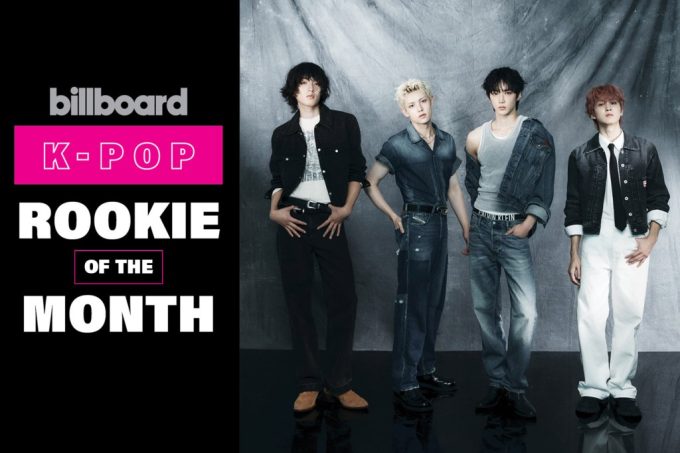
AxMxP Is K-Pop Rookie of the Month for September: Exclusive Photos
Ha Yoo Joon Image Credit: Chin Soyeon You debuted on Sept. 10....
Chris Marks2 Mins read





Leave a comment