

When Playboy Knocked on Disney’s Door: The Tron Photo Shoot That Almost Was
Playboy once pitched a risqué homage to Tron—complete with circuit-board-clad models—for Disney’s classic film. But when two iconic brands collide, what does that reveal about art, commerce, and cultural taboos?
 Joseph BennettJuly 9, 20251 Mins read22
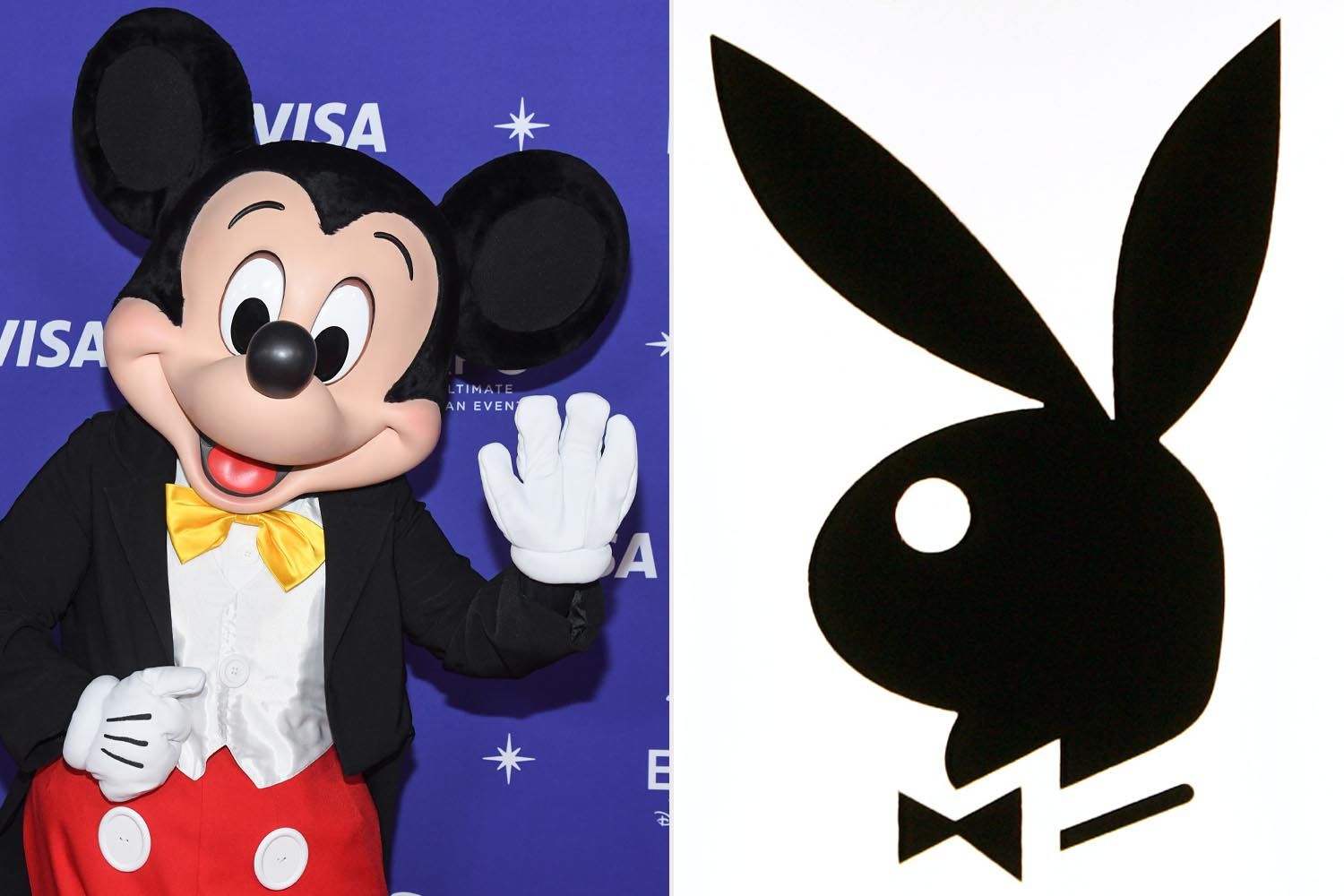
Walt Disney Company via Getty; Dale de la Rey/Bloomberg via Getty
In a meeting room, a Playboy executive slid concept art across the table: models draped in glowing circuit‑board brassieres, pulsing with electric fantasy. That’s the moment when Disney paused—and pivoted—declining the pitch and sending an unmistakable signal: even nostalgia-tinged edginess must respect the House of Mouse’s moral grid.
Though never realized, Playboy’s proposed “Girls of Tron” photo spread spoke volumes—not just about marketing cross-pollination, but about the cultural lines mega‑brands dare not blur. Playboy later riffed on Tron imagery independently during the 2010 reboot, illustrating both opportunity and boundary. ([turn0search1], [turn0search6])
When Nostalgia Meets Nerve
Tron has always lived at the edges of mainstream: tech‑heavy, neon‑edged, cult. Playboy’s pitch wasn’t random—it was a calculated align with electronic rebellion. But Disney’s decision to say “no” wasn’t about fear—it was about brand fidelity. The offer was bold; the refusal, telling.
Why flirt with transgression just to recoil from its consequences?
Legacy Brands Guarding Their Codes
Playboy’s later homage in 2010—unaffiliated with Disney—signals that unauthorized edges of cultural memory can be claimed, stylized, and repackaged. Disney’s copyright notice remains silent; but their rejection was loud. They protect not just IP, but a worldview: that some legacies prefer sheen, not shock.
The question hovers: in a media ecosystem craving collaboration, are some lines meant not to be crossed—and what happens when risk feels too… electric?
This nearly-told story is more than forgotten PR—it’s proof that even in an age of remix and homage, brands maintain boundaries. And when the idea of Playboy-clad circuit boards fades, the real intrigue remains: who writes the moral code, and whose imagination dares to light it up?
Because every time nostalgia and taboo dance, the spotlight reveals more than just the choreography—it reveals who really owns the pixels.





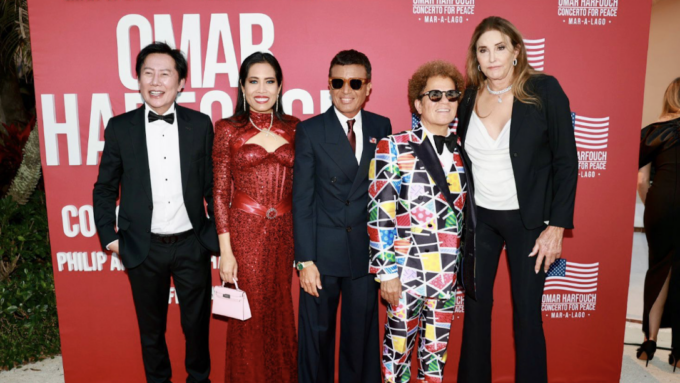
Pianist Omar Harfouch Brings Celebrated Figures Together for a Night of Cultural Exchange – Hollywood Life
Image Credit: Omar Harfouch On February 20, 2026, pianist and cultural figure...
 Kirsten Collins2 Mins read
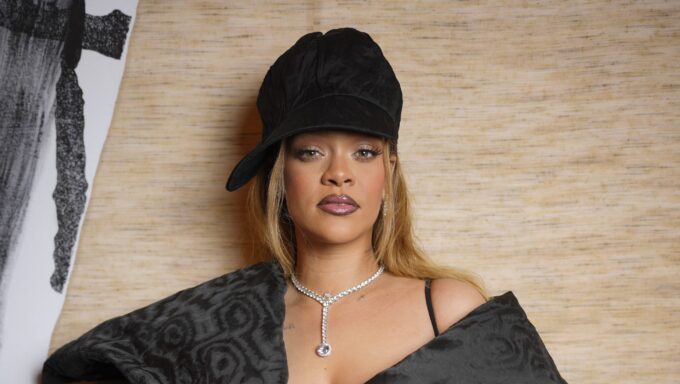
Who Is Ivana Lisette Ortiz? About the Rihanna Home Shooting Suspect – Hollywood Life
Image Credit: WWD via Getty Images The suspect in the March 8,...
Kirsten Collins1 Mins read
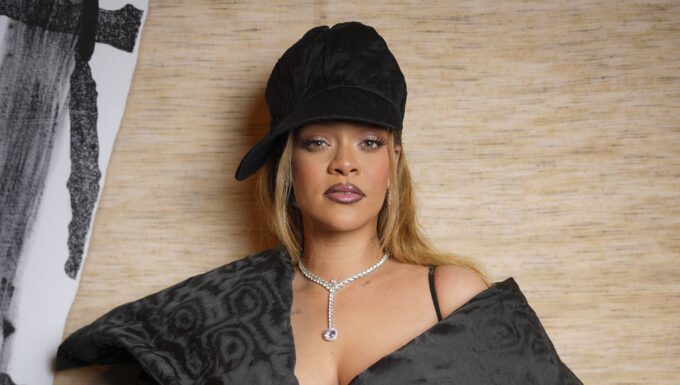
How Much Money Does She Have Now? – Hollywood Life
Image Credit: WWD via Getty Images Rihanna may be known as one...
Kirsten Collins2 Mins read
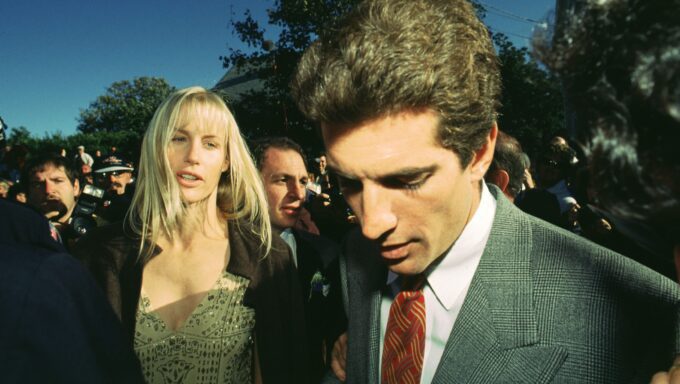
Stars Who Slammed ‘Love Story: JFK Jr. & Carolyn Bessette’: Statements – Hollywood Life
Image Credit: Getty Images FX’s Love Story: John F. Kennedy Jr. and...
Kirsten Collins2 Mins read





Leave a comment