

Andy Sachs 2025: The Devil Wears Prada’s Power Play in Pinstripes
Anne Hathaway’s first look as Andy Sachs in The Devil Wears Prada 2 isn’t a costume—it’s a statement. But beneath the sharp pinstripes and Chanel dad sandals lies a deeper recalibration of identity and ambition—ready to tantalize or unsettle.
 Chris MarksJuly 21, 20251 Mins read22
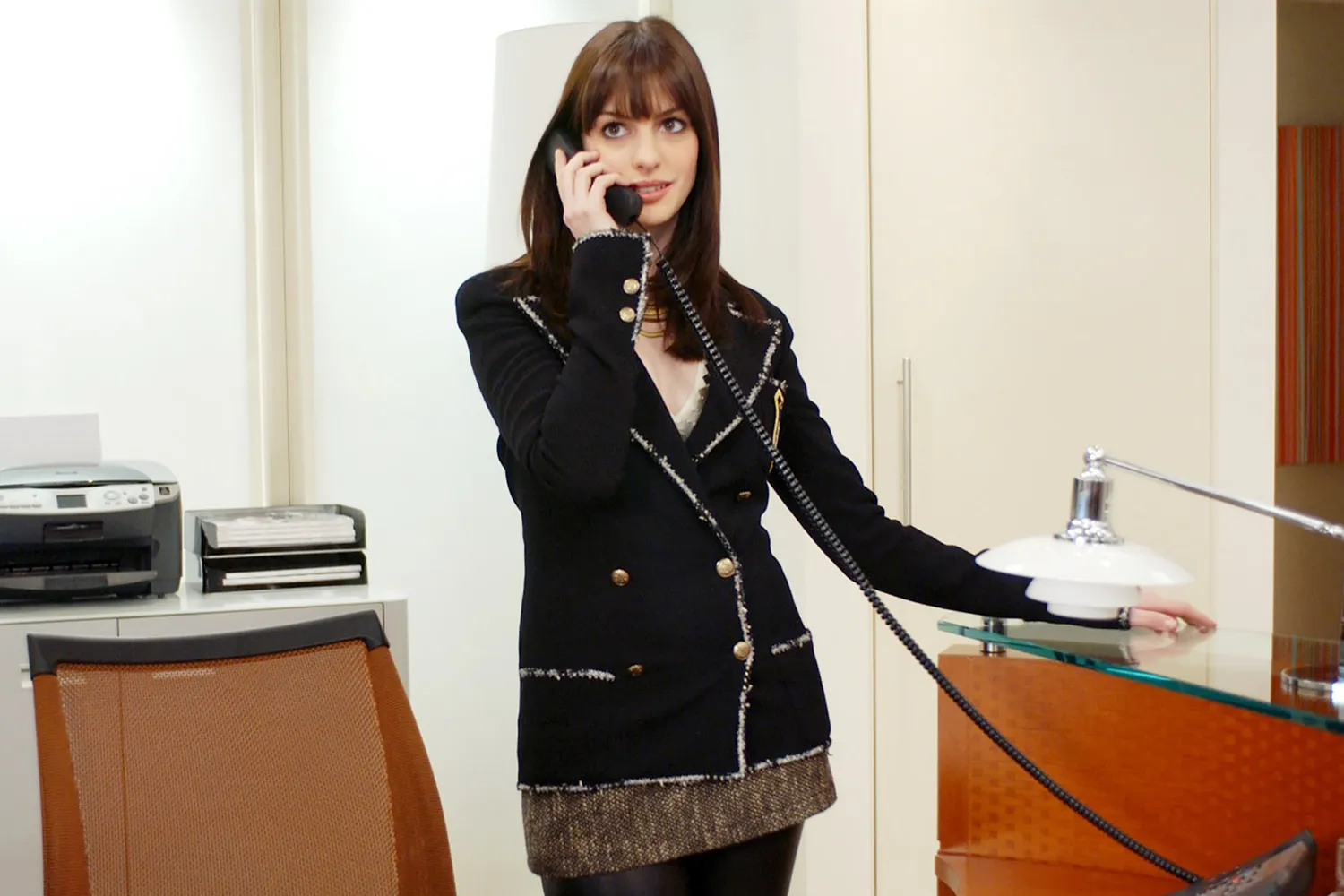
The image arrived: Andy Sachs—Anne Hathaway—leaning confidently against a stark white railing, her pinstriped vest and trousers precise, her loose waves gently reframing a face matured by experience. Gone are the cerulean sweater and over‑the‑knee heels; in their place sits a vest of power and Chanel dad sandals—a visual whisper: she’s changed, and so has the world she inhabits.
This is no costume reveal. It’s a reckoning. Nearly two decades later, Andy is back, but she’s not the same assistant thrust into Miranda’s orbit. She’s the editor now—or at least that’s the story her wardrobe tells. This vest speaks of transformation, while the sandals hint at comfort amid chaos. But what kind of armor is that? And what does legacy look like when fashion itself confronts obsolescence?
Tailored Legacy, Untold Vulnerability
Andy’s suit is sharp, but the absence of heft suggests a softer power, one adapted for a different era—digital, decentralized, yet still unforgiving. The original film’s memorable “cerulean lecture” echoed the trickle-down myth of fashion authority; this new look suggests authority reclaimed, redefined. Her posture—casual, anchored—asks: Is she still answering to Miranda’s definitions, or is she rewriting the playbook altogether?
In a TikTok teaser, Hathaway captioned it “Heading to werk #dwp2,” signaling familiar territory yet unmistakably evolved. Her outfit is a flag: runway politics have changed. When fans respond with “INSANELY BEAUTIFUL,” their excitement shadows a question: can fashion thrill without distortion? Are we prepared for elegance that questions status instead of reinforcing it?
Power and Absence in Every Stitch
Behind the chic façade lies absence—Nate, Gisele, the icons who anchored the original. Anne’s new look isn’t just a fashion update; it’s a narrative pivot toward independence. As Emily Blunt’s character ascends into ad-world dominance, and Miranda battles print’s decline, Andy stands at midpoint—a bridge between eras, between Image and Industry.
Anne Hathaway—and mid‑40s Andy—are wearing more than clothes; they’re wearing intent. And as we wait for May 1, 2026, the question isn’t simply “Will the fashion dazzle?” It’s sharper: “Who is Andy Sachs now, when the uniform tells half the story?” The first frame is gestural, but the story awaiting feels seismic.


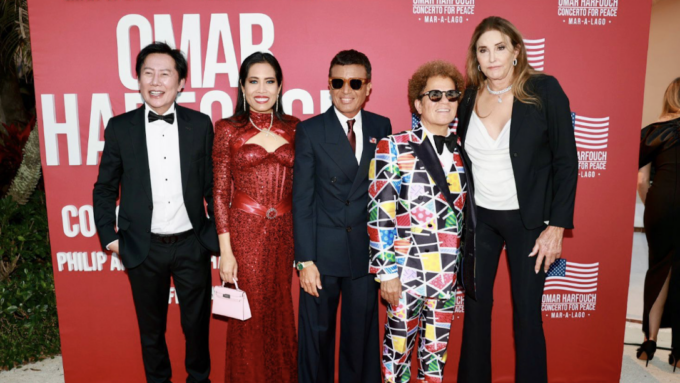
Pianist Omar Harfouch Brings Celebrated Figures Together for a Night of Cultural Exchange – Hollywood Life
Image Credit: Omar Harfouch On February 20, 2026, pianist and cultural figure...
 Kirsten Collins2 Mins read
Who Is Ivana Lisette Ortiz? About the Rihanna Home Shooting Suspect – Hollywood Life
Image Credit: WWD via Getty Images The suspect in the March 8,...
Kirsten Collins1 Mins read
How Much Money Does She Have Now? – Hollywood Life
Image Credit: WWD via Getty Images Rihanna may be known as one...
Kirsten Collins2 Mins read
Stars Who Slammed ‘Love Story: JFK Jr. & Carolyn Bessette’: Statements – Hollywood Life
Image Credit: Getty Images FX’s Love Story: John F. Kennedy Jr. and...
Kirsten Collins2 Mins read





Leave a comment