

Polypodium Leucotomos: The Plant That Wants to Be Your Sunscreen
This ancient fern extract is quietly revolutionizing skin protection. But as it moves from rainforest to medicine cabinet, is it a breakthrough—or a botanical distraction?
 Kirsten CollinsMarch 5, 20251 Mins read159

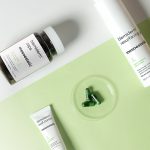
It doesn’t smell like sunscreen. It doesn’t come in a tube. And yet, Polypodium leucotomos, a tropical fern native to Central and South America, has quietly become one of skincare’s most intriguing secret weapons. A capsule, a supplement, a plant—and somehow, a shield.
This isn’t SPF as you know it. It’s SPF turned inward. While traditional sunscreens coat the surface, Polypodium works like a botanical bodyguard, enhancing your skin’s natural defense against UV damage from within. Less about blocking rays, more about neutralizing their aftermath—oxidative stress, inflammation, and early photoaging.
Protection, Rewritten from the Inside Out
At the heart of the fern’s power is its antioxidant load—rich in polyphenols that can reduce cellular damage and slow the breakdown of collagen. For anyone who’s ever missed a reapplication window or fried under a cloudy sky, the idea is seductive: protection that works even when your SPF doesn’t.
Studies suggest it may help prevent hyperpigmentation, support immune response, and even reduce sun sensitivity in conditions like lupus or melasma. Dermatologists don’t call it a replacement for sunscreen—but increasingly, they recommend it as a second line of defense. Think of it as your skin’s internal insurance policy.
But what does it mean when wellness asks us to ingest our skincare?
When Nature Becomes a Brand
Like many buzzy ingredients, Polypodium leucotomos walks the line between science and story. Branded versions like Fernblock turn this rainforest relic into modern capsule couture—packaged, dosed, marketed. It’s ancient, yes. But also algorithm-friendly.
Still, the real question lingers: are we edging toward a future where SPF is swallowed? Where protection becomes personalized, genetic, invisible?
For now, the fern isn’t promising invincibility. Just quiet, natural support. A subtle ally, rooted in nature, now living in our medicine cabinets—whispering that maybe defense doesn’t always have to be visible to be powerful.





The Velvet Rope Has Frayed: Saks Fifth Avenue Just Walked into Amazon’s Living Room
They didn’t hear the door creak open—but it did. In a move...
Kirsten Collins2 Mins read

The Face That Didn’t Fit: Meghan, Beauty, and the Industry’s Silent Criteria
They never said it outright. They didn’t need to. Silence, when paired...
Kirsten Collins2 Mins read
15 Moon Tattoo Ideas for a Celestial Piece That’ll Fit Each Phase of Your Life
When it comes to getting permanent art tattooed on your body, there...
Kirsten Collins3 Mins read
The Dip That Won’t Chip: Is Your Manicure Hiding Something?
No one talks about what happens to softness when you dip your...
Kirsten Collins1 Mins read





Leave a comment