

Porto’s Club World Cup Exit: Europe’s Beautiful Struggle Unfolds
Porto’s surprising early exit from the Club World Cup reveals deeper tensions and challenges that European teams face on the global stage — but is this a moment of reckoning or just another chapter in a complex saga?
 Krista FreelandJune 24, 20251 Mins read23
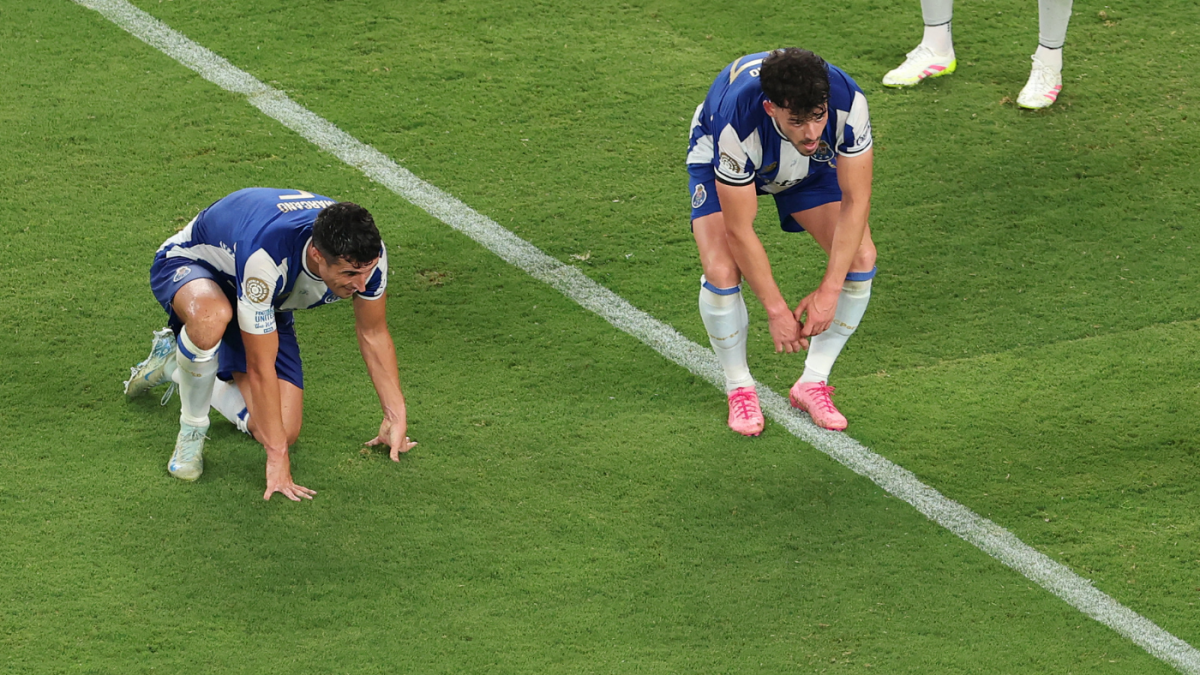
A roar from the crowd, a flicker of hope, then silence—Porto’s journey in this Club World Cup ended abruptly, yet its echoes refuse to fade. Behind this elimination lies a tangled narrative of Europe’s uneasy dance with global football’s shifting tides. Why does a team, so steeped in continental glory, stumble at the doorstep of global acclaim? The question nags, hinting at fractures far beyond the pitch.
The truth is not just in the scoreboard but in the unsaid struggles — tactical dissonance, the weight of expectation, and a game rapidly morphing beyond familiar borders. Porto’s exit is less a failure than a symptom of a continent wrestling with its place in a new footballing order.
Elegance Meets Raw Reality
Watching Porto, one expects artistry, control, the measured brilliance that has defined European football for decades. Yet, on this stage, elegance met something raw and unpredictable—rivals hungry, unfamiliar, and unburdened by legacy. “The game has become a mirror reflecting broader shifts,” a pundit remarked quietly after the match, “where tradition clashes with a new breed of ambition and style.” Porto’s graceful rhythm was disrupted not just by tactics but by a deeper cultural upheaval.
Is this a moment where Europe must reconsider its narrative, or are these just growing pains in football’s relentless globalization? The answer refuses to settle.
The Weight of Expectation and the Rise of the New
For Porto, and many European clubs, the Club World Cup represents more than a trophy; it’s a stage to assert dominance, to narrate their legacy in global terms. Yet the burden often feels like a double-edged sword—heavy with history but vulnerable to the unpredictable. Porto’s campaign peeled back layers, exposing the fragile edge between brilliance and breakdown.
What if this exit signals something broader? A redefinition not just of who wins but how football’s soul evolves. As Porto bows out, the whispers begin: what does the future hold for Europe’s giants? Can they adapt, or are they destined to be spectators as new narratives rise?
Porto’s story is unfinished — it is a pulse, a question, a flicker of something both old and new. The silence after the final whistle is not an end but an invitation: what happens when tradition faces the uncharted? The answer lingers, poised to redefine the game we think we know.




Barcelona’s Fragile Pursuit: When Injuries Threaten More Than Just a Season
A silence spreads over Camp Nou that no roar can drown out—two...
 Chris Marks2 Mins read
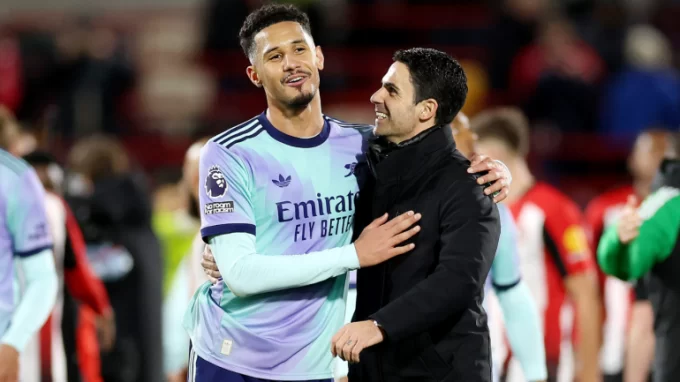
William Saliba: Arsenal’s Silent Architect or Its Greatest Gamble?
The air inside the Emirates shifts with unspoken tension—William Saliba, once a...
 Joseph Bennett2 Mins read
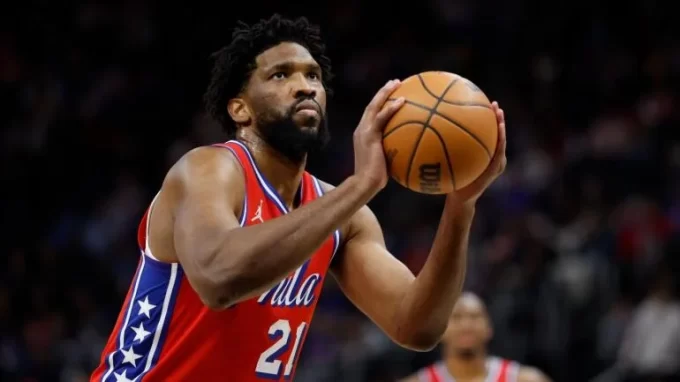
Joel Embiid’s Quiet Confidence: Is the 76ers’ Giant Ready to Rewrite His Story?
Joel Embiid is rarely one to make noise without purpose, and now,...
 Kirsten Collins1 Mins read
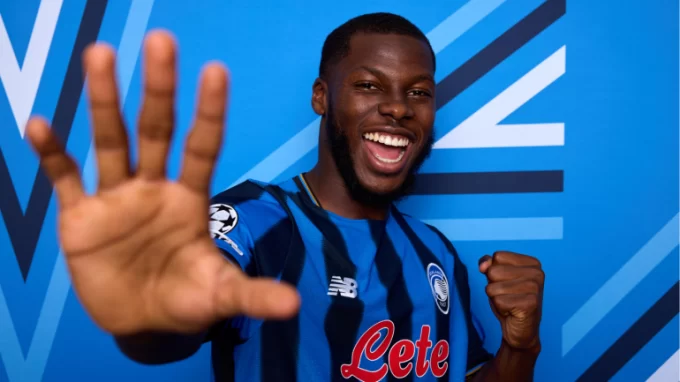
Juventus, Atalanta, and Arsenal’s Quiet Revolution: What’s Really Shaping This Week in Football?
The roar of Serie A stadiums masks a subtle shift, one that...
Kirsten Collins2 Mins read





Leave a comment