

Diddy’s Influence: Does Money Always Win in the Courtroom?
When a potential juror in Diddy’s ongoing legal battle openly declared that the mogul could buy his way out of trouble, it raised an unsettling question: Can justice ever truly be blind in the face of vast wealth and power?
 Chris MarksMay 6, 20252 Mins read32
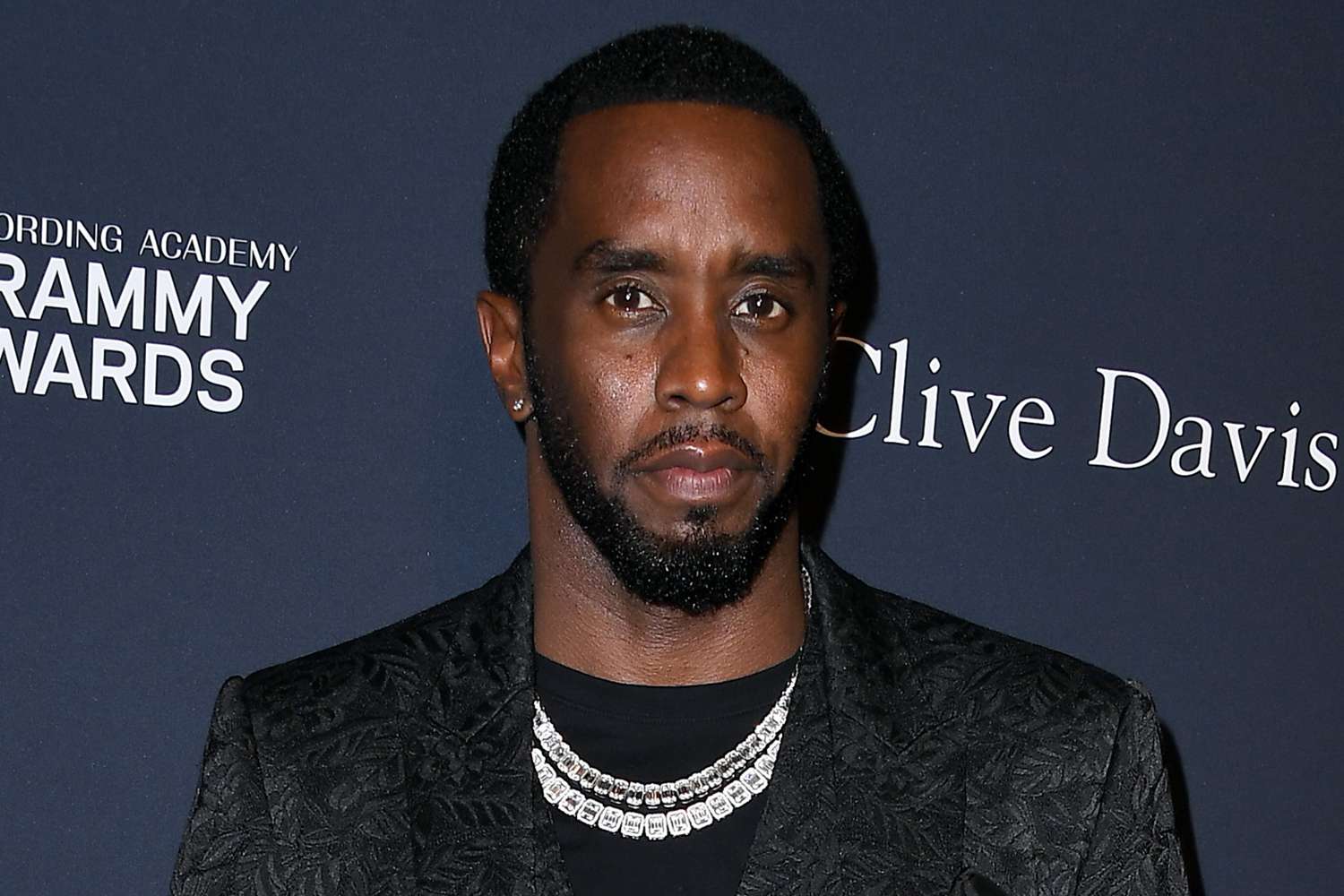
Steve Granitz/WireImage
A Moment That Speaks Volumes
In an almost surreal moment that could have been scripted for the silver screen, a potential juror in Diddy’s high-profile legal case was dismissed after stating what many had already suspected: the mogul could simply “buy his way out of jail.” The remark, which many might dismiss as the rant of an individual embittered by the injustices of society, actually reveals a chilling truth: in the courtroom, money often speaks louder than law.
We’ve seen it before—high-profile figures stepping into courtrooms with enough financial muscle to sway the very foundation of justice. But this juror’s blunt admission gives us a rare glimpse into the subconscious of the public, who often feel that no matter the evidence, the rich and powerful hold the ultimate trump card: wealth.
The Silent Influence of Power
It’s a sentiment that runs deeper than mere conjecture. The overwhelming presence of money and celebrity in the courtroom creates an environment where the rules appear malleable, bendable under the weight of an endless bankroll. While the justice system is designed to be impartial, a wealth of influence can create a two-tiered reality where the rich are given the leeway to negotiate their way out of consequences that would destroy an ordinary person’s life.
Diddy, a man whose business empire sprawls across multiple industries, stands as the very embodiment of this unsettling reality. For some, the thought of him facing genuine repercussions seems as fantastical as a fictional narrative—because we’ve come to expect that the rich simply don’t face the same justice as the rest of us. They don’t just hire lawyers; they hire outcomes.
Is Money the Ultimate Equalizer?
The juror’s comment speaks volumes because it’s not just about Diddy. It’s about an enduring belief that no matter how much power you accumulate, you’re rarely held accountable the same way as someone without the resources to manipulate the system. The question now isn’t just whether the celebrity will get away with his actions—but whether we, as a society, have accepted this unspoken rule as the norm.
“Money talks louder than justice,” the juror’s words echo. If that’s true, what does that say about the integrity of our legal system? Are we really witnessing a battle for truth and fairness, or a carefully staged performance where the wealthy always secure the lead role?
The Dangers of Cynicism in the Courtroom
In a world where the scales of justice can feel tilted, we must ask: how many other would-be jurors, watching from the sidelines, might feel this same cynical weight bearing down on them? What happens when a public figure’s reputation precedes the law itself?
The dismissal of this particular juror is not the real story—it’s a distraction, a small moment in a larger cultural conversation. What we should focus on is the question that remains unspoken: can we, as a society, continue to pretend that justice is blind when it is so clearly influenced by money?
Perhaps the real story isn’t the verdict in the courtroom. It’s the silent verdict we give ourselves every day, when we allow these patterns of influence to continue unchecked.






When Mercy Meets Tragedy: The Widow Who Forgave Her Husband’s Killer
The air thickens when forgiveness enters a room meant for grief. Imagine...
Chris Marks1 Mins read

When Fear Became a Lifeline: Pete Davidson’s Reckoning in Rehab
There’s a silence that follows a mother’s voice when she confesses her...
 Joseph Bennett1 Mins read

Pete Davidson’s mom told him in rehab worst fear was learning he died
Pete Davidson is opening up about the heartbreaking moment he had with...
Chris Marks2 Mins read

Katie Couric’s Unexpected Spin on Sydney Sweeney’s American Eagle Ad: What’s Really Being Said?
Katie Couric stepping into a scene dominated by Gen Z glamour feels...
 Krista Freeland2 Mins read





Leave a comment