

The Cut List: When Hollywood Erases You Quietly
From Simone Ashley to Katherine Langford, more stars than you’d imagine have vanished in the final edit. But what does it mean to be deleted from a dream—and still remain visible?
 Joseph BennettJuly 28, 20252 Mins read13

There is a particular silence that follows being cut from a film. Not a scandal, not a flop—just the subtle erasure of your existence from a narrative millions were meant to see. It’s the kind of absence that echoes louder than failure. And in Hollywood, where visibility is currency, it is the cruelest kind of vanishing act.
Simone Ashley, rising from the velvet corridors of Bridgerton, had a role in The Little Mermaid. You wouldn’t know it. Her scenes were quietly trimmed, swept under the sea. Katherine Langford was once set to be Tony Stark’s daughter in Avengers: Endgame. Shot, edited, scored—and then, gone. There is a gallery of almosts behind the curtain, and it’s growing. These are not background players. These are names designed for marquee lights. So why are they left on the cutting room floor?
The Glamour of Disappearance
Being cut isn’t failure—it’s mystery, rebranded. It signals that you were almost essential. Close enough to matter, but not quite enough to survive the test screenings and pacing concerns. “It was a creative decision,” they always say. The most sterile phrase in the studio vocabulary. But behind it are weeks of fittings, press embargoes, NDAs, hopes.
Sometimes, these cuts become lore. Jessica Chastain was famously excised from The Tree of Life. Terrence Malick doesn’t explain, he evaporates. And when Langford’s deleted scene finally surfaced, years later, it played like a ghost—haunting, unnecessary, but undeniably poignant. “I still see that version of myself,” one actor once told me, “even if the world never will.” The industry sells fantasy, but it deals in omission.
A Role You’ll Never See
To be edited out is not just to lose screen time—it’s to watch a version of yourself slip through cultural memory. Imagine being told you were no longer part of a legacy you thought you’d inherited. Fame has always had fine print, but this is erasure in high-definition.
These vanishing roles tell us something deeper about the volatility of storytelling at scale. That no matter how high your profile, how sharp your talent, your presence is always provisional. You can have the dress, the scene, the co-star—and still be considered excess.
Perhaps the final cruelty is this: the audience never knows what was missing. But the actor always does. Somewhere, in a locked server or an unused reel, they still exist. Framed, lit, delivered—and unseen. And isn’t that the most cinematic tragedy of all?




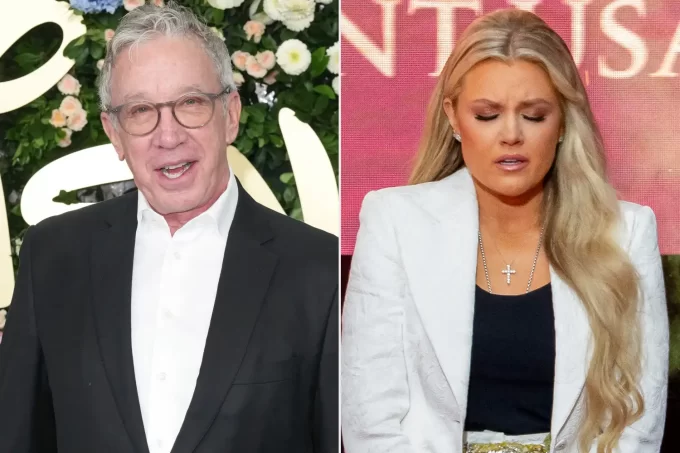
When Mercy Meets Tragedy: The Widow Who Forgave Her Husband’s Killer
The air thickens when forgiveness enters a room meant for grief. Imagine...
 Chris Marks1 Mins read

When Fear Became a Lifeline: Pete Davidson’s Reckoning in Rehab
There’s a silence that follows a mother’s voice when she confesses her...
Joseph Bennett1 Mins read
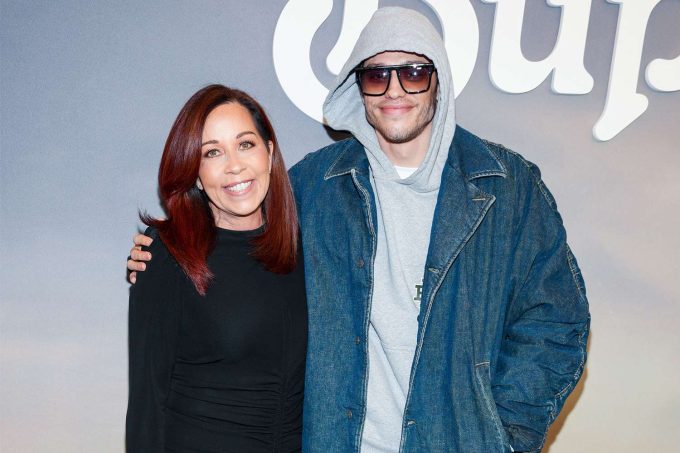
Pete Davidson’s mom told him in rehab worst fear was learning he died
Pete Davidson is opening up about the heartbreaking moment he had with...
Chris Marks2 Mins read
Katie Couric’s Unexpected Spin on Sydney Sweeney’s American Eagle Ad: What’s Really Being Said?
Katie Couric stepping into a scene dominated by Gen Z glamour feels...
 Krista Freeland2 Mins read




Leave a comment