

The Rising Trend of SFF Crossovers: Are We Ready for a New Era in Fiction?
A bold new wave is emerging in the world of speculative fiction, blurring the lines between genres and reimagining the future of storytelling. But are readers truly prepared for the stories that defy all expectations?
 Joseph BennettMay 7, 20253 Mins read23
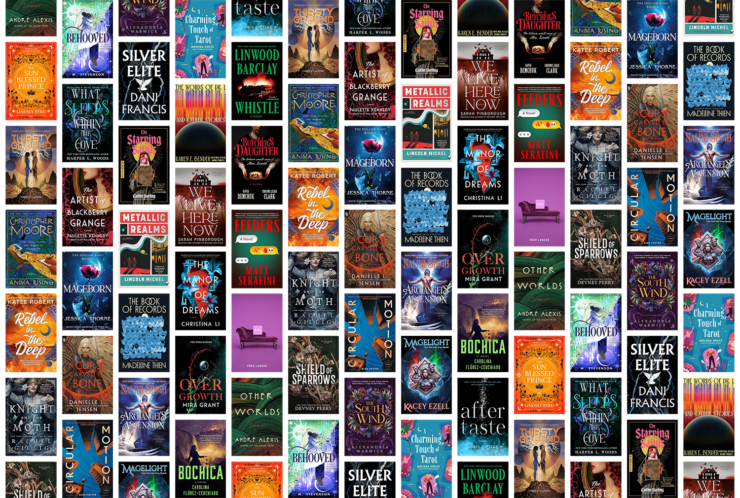
You’ve seen it before: a fantasy world colliding with futuristic technology, a detective story morphing into a cosmic adventure, or an epic historical novel suddenly diving into a world of alternate realities. But what if this is more than just an occasional whim? What if the very structure of storytelling itself is shifting beneath our feet? The rise of SFF (science fiction, fantasy, and speculative fiction) crossover books isn’t just a passing trend—it’s a radical redefinition of what literature can be. And yet, we can’t help but ask: are we ready for this thrilling, genre-defying era?
In the ever-evolving literary landscape of 2025, the lines between genres have begun to fade, leaving behind a blur of ideas, themes, and narratives that demand a new way of reading. Authors are no longer tethered to traditional definitions of fantasy, sci-fi, or horror. Instead, they are fusing elements, creating hybrid worlds that are as unpredictable as they are captivating. But this begs the question: is the reader—accustomed to neatly defined categories—prepared to embrace a future where labels no longer matter?
Breaking Boundaries
The crossover is not a new concept, but it is one that has come into its own in recent years. And now, as we approach the midpoint of 2025, we are witnessing a dramatic uptick in books that refuse to be labeled, that weave together the fantastical and the real, the mystical and the technological. The Fifth Element meets The Brothers Karamazov—only this time, the narrative is written by someone who has no interest in keeping their imagination within the confines of any particular genre. These authors aren’t just playing with elements; they’re rewriting the rules of storytelling.
Take, for example, the rise of fantasy novels that aren’t confined to medieval backdrops. They’re set in sprawling cityscapes filled with magic and technology, places where the fantasy genre rubs shoulders with cyberpunk, creating worlds that feel both ancient and futuristic. Or consider the new wave of speculative thrillers, where detective noir meets apocalyptic sci-fi, offering a rich and gritty narrative that feels as relevant as it does otherworldly. These books are both jarring and exciting, pushing boundaries until the concept of “genre” seems almost quaint.
A Shift in Perspective
But what does this mean for readers? For those accustomed to predictable arcs—heroes, quests, and neatly wrapped conclusions—this genre-blurring approach might feel like a shock to the system. It forces us to confront something larger than just the blending of ideas: it’s a challenge to our understanding of narrative itself. As one critic recently put it, “The new wave of SFF crossover books doesn’t just ask ‘What if?’ but demands ‘Why not?’” And therein lies the beauty and the danger of this shift.
Where does a fantasy story end and a science fiction story begin? When a detective novel introduces time travel, is it still a detective novel, or does it become something else entirely? This blurring of boundaries forces readers to let go of the familiar, to step into a space where expectations are continually tested. The result is a heightened sense of engagement, a sharper, more intense reading experience where anything can happen—and nothing is ever quite what it seems.
The Unknown Horizon
It’s impossible to ignore the rising tide of crossover books that are taking over the literary world. The rapid rise of this genre fusion isn’t merely about mixing elements for novelty’s sake; it’s about creating something new that challenges our perceptions of what storytelling can be. What does a world look like when we stop categorizing it into neat boxes? When every book is an experiment in what happens when two—or even three—different worlds collide?
The next wave of SFF crossover books will not only be entertaining—they will be thought-provoking. They will force readers to think differently about the very nature of fiction. Are we entering a new age of storytelling, where the very definition of “genre” becomes irrelevant? And as we stare into the horizon of this literary revolution, one thing becomes abundantly clear: the rules are being rewritten, and the future of fiction is wide open.
The question remains: is this fusion of genres simply a fleeting trend or the birth of a new literary movement? In five years, will we look back at the books of 2025 and recognize a watershed moment in fiction, or will we find ourselves searching for the next thing that will break the boundaries yet again?






When “107 Days” Meets Outcry: Harris’s Book Tour Interrupted
The microphone crackled to life, and before Harris could finish her opening...
 Chris Marks1 Mins read
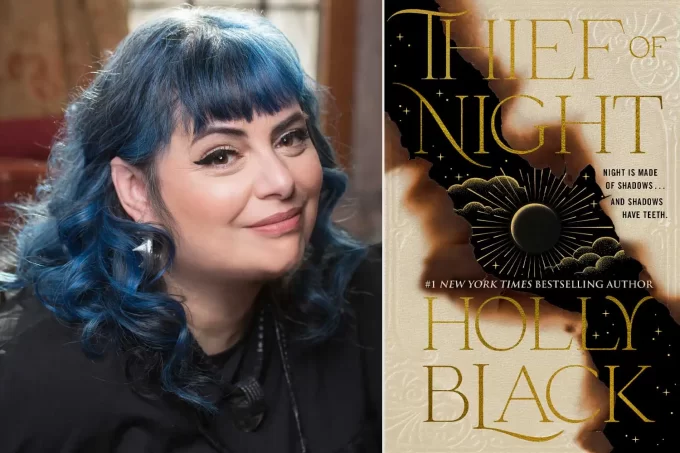
Whispers in the Shadows: Why Holly Black’s Sequel Is a Dark Invitation We Can’t Ignore
The night isn’t just dark—it’s ravenous, greedy, and it’s coming for you....
Chris Marks2 Mins read
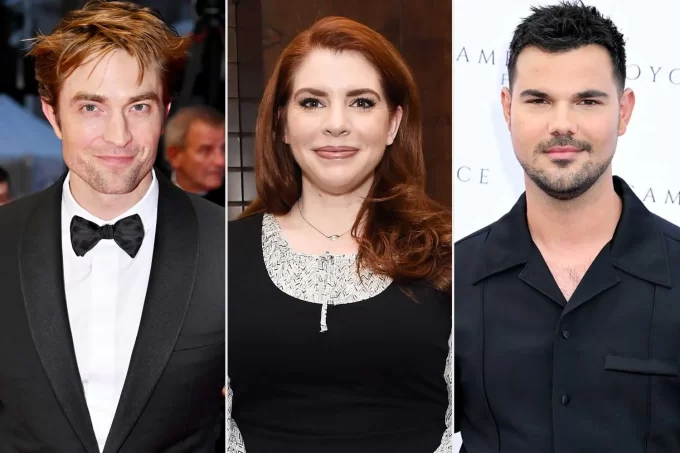
Why Stephenie Meyer’s Regret About Edward Changes Everything You Thought You Knew
The moment Stephenie Meyer admitted she wouldn’t pick Edward Cullen today, a...
Chris Marks2 Mins read
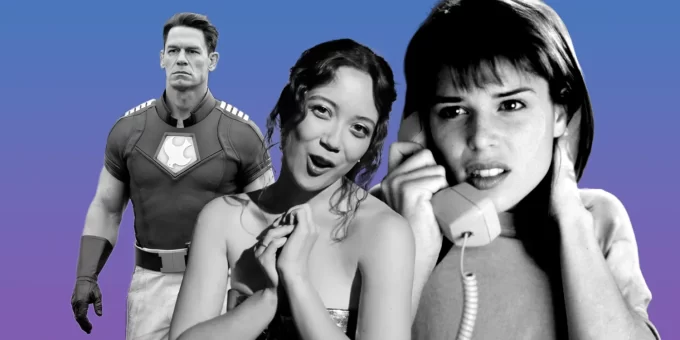
When Fear, Fury & Feathers Collide: Cinema, Superheroes, and a Confessional Album
Open with tension—the kind that threads through a scream, a reveal, and...
Chris Marks2 Mins read





Leave a comment