

When Giants Fall: Botafogo’s Roar Drowns PSG’s Shadow
PSG’s unexpected loss to Botafogo caps a week of European faltering in the Club World Cup—and Brazil isn’t just shining, it’s rewriting the rules.
 Chris MarksJune 20, 20251 Mins read22
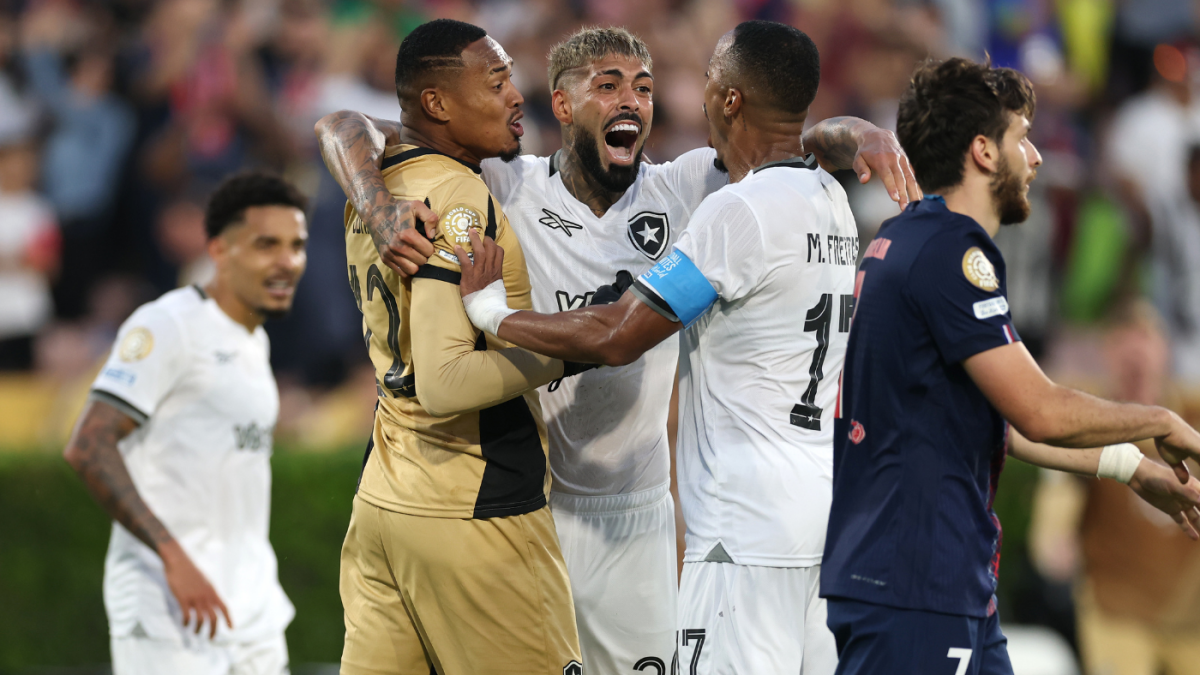
A defiant roar rose from the Rose Bowl—not from a superstar touchdown, but from the underbelly of a Brazilian squad that looked more gladiatorial than graceful. Botafogo’s slender 1-0 victory over PSG was not merely a result; it was a proclamation that the old order may be crumbling, and that confidence alone isn’t enough to swallow history whole.
Thirteen years of European dominance were dissected in that single match. PSG, who’d strolled through Ligue 1 and beaten Atlético Madrid in style, found their swagger unraveling under organized Brazilian steel. Renato Paiva, the architect of the upset, put it simply: “The football graveyard is full of so‑called favourites.” And for once, the anthem felt like a verdict.
A Fortress Built in Humility
Botafogo’s triumph wasn’t born of flair—it was forged in discipline. Those weeks of preparation in Los Angeles, the tactical drills, the defensive cohesion—they weren’t side notes, but bullet points in a manifesto. While PSG’s rotation and possession starched confidence, they ignored that in Group B, precision beats prestige, and timing is everything.
Igor Jesus’ solitary strike came from structure—not spectacle. When Savarino’s attack sliced through PSG’s lines, Jesus finished clinically, and that precision became the punctuation mark on a performance forged in strategy.
Confidence Outpaced by Contradiction
PSG entered the tournament grounded in dominance—yet their Group of Death was anything but straight. Facing teams shaped by hunger and scheduling savvy, yes, Europe stumbled. PSG’s rotation betrayed complacency; confidence became hubris, and hubris tastes like defeat.
Now, as Botafogo leads the group and Europe scrambles for answers, the tournament isn’t just a battle—it’s a reflection. The rhythm of global club football is shifting—we watch for goals, but we live for moments that fracture narratives.




Barcelona’s Fragile Pursuit: When Injuries Threaten More Than Just a Season
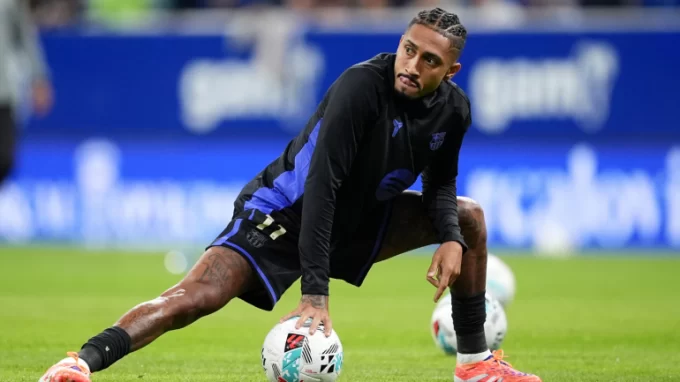
A silence spreads over Camp Nou that no roar can drown out—two...
Chris Marks2 Mins read
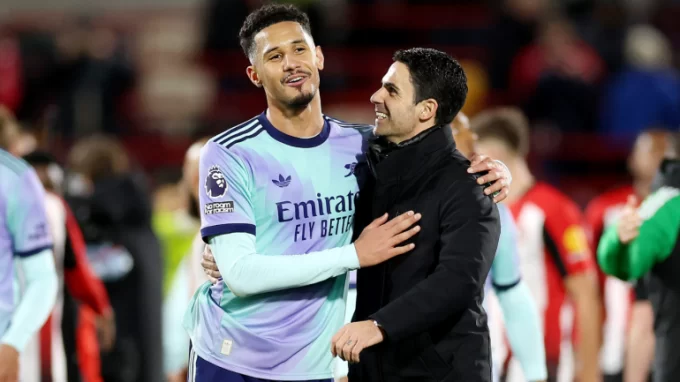
William Saliba: Arsenal’s Silent Architect or Its Greatest Gamble?
The air inside the Emirates shifts with unspoken tension—William Saliba, once a...
 Joseph Bennett2 Mins read
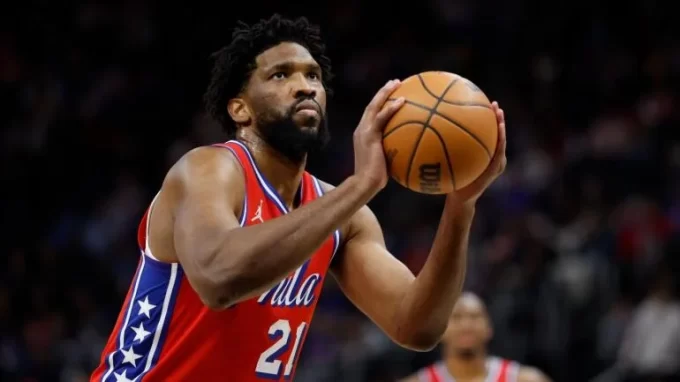
Joel Embiid’s Quiet Confidence: Is the 76ers’ Giant Ready to Rewrite His Story?
Joel Embiid is rarely one to make noise without purpose, and now,...
 Kirsten Collins1 Mins read
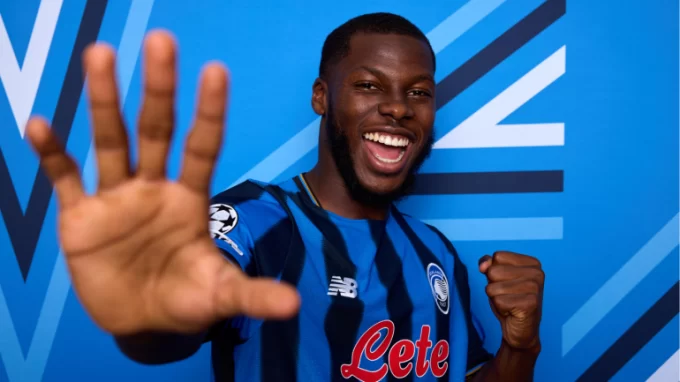
Juventus, Atalanta, and Arsenal’s Quiet Revolution: What’s Really Shaping This Week in Football?
The roar of Serie A stadiums masks a subtle shift, one that...
Kirsten Collins2 Mins read





Leave a comment