

She’s the Punjabi Pop Pyro: Shahat Gill’s First Interview Ignites Questions
Chandigarh-born Shahat Gill meets the world—what secrets lie behind her explosive rise in Punjabi pop?
 Joseph BennettJune 20, 20252 Mins read133
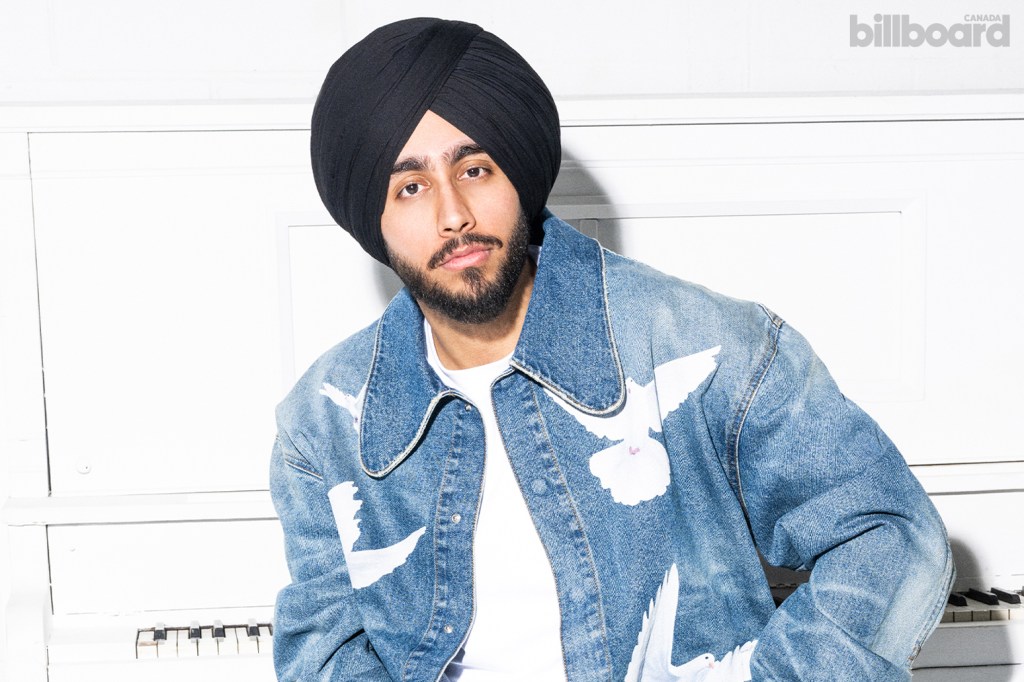
She stares into the camera with a smirk that seems to say, “You thought you knew Punjabi music—watch me rewrite it.” That’s Shahat Gill in her first sit-down interview, and already it feels like the beginning of an uprising.
The breakout voice behind Pagal Ay and OG didn’t step onto the scene—she detonated onto it, an eruption of melody and attitude. The Loudest.in conversation crackles with her reflections on genre, identity, and ambition. She hints at a shift: “I don’t chase virality—I chase connection.” A line like that suggests she’s building more than hits—she’s sculpting legacy.
Electric Ambitions, Embedded Roots
Gill describes Bamb as her most personal track yet, calling it “a sonic dip into the chaos I call home.” Born and bred in Chandigarh, she glides through Punjabi folk textures like a modern-day fusion artisan. Her music is smooth as desi makkhan yet hard as concrete—simultaneously intimate and confrontational. Each song, she says, is “woven for mosh‑pits”—a striking image of Punjabi pop erupting in unexpected places.
The conversation turns to collaboration: she speaks warmly of working with underground producers and cross-border artists. “I want Punjabi pop to feel unapologetically global,” she declares. There’s no hint of caution—only the promise of sonic conflagration.
Is This The New Punjabi Vanguard?
Gill sits at the intersection of tradition and reinvention, her sound promising something fresh yet familiar. She’s not alone. Across states and borders, artists like Tricksingh—“blending folk with rap in ways that feel effortlessly authentic”—are doing the same. The momentum suggests a wave: Punjabi pop is becoming a movement, advocates argue, and Gill—cool, casual, fearless—is ready to raise the tide.
“It came naturally,” she says of melding vernacular heritage with modern beats, “because it’s exactly who I am.”
That admission is a quiet bomb—more revealing than any press kit.
As the interview wraps, she leans back, playing coy: her next moves are deliberately vague. Tour, album, collab? We know none is off the table. With that enigmatic posture, she leaves the viewer sitting forward, eager, waiting.
And that final beat of stillness—that pause before the next drop—is exactly what her music has been doing: building tension, bending expectation, and teasing something only half-revealed. Because isn’t that the true art of a rising star—to leave us wanting just beyond the last note?


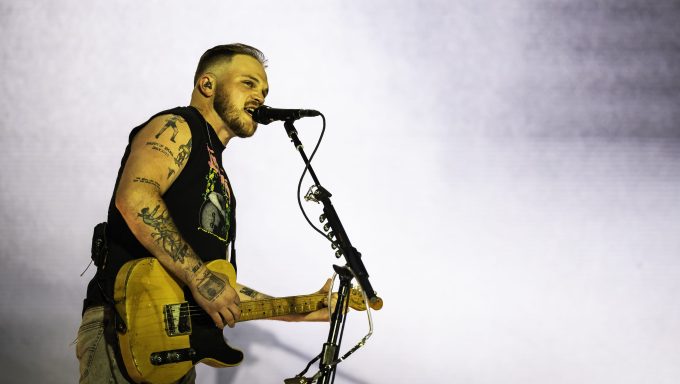




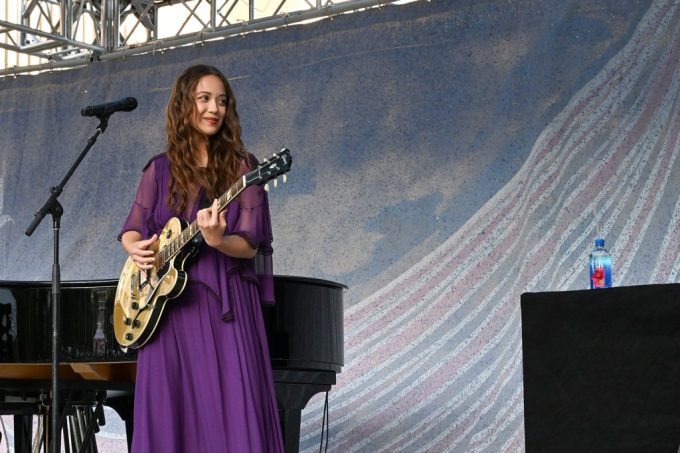
Laufey’s Opening Night Show at LA’s Crypto.com Arena: Best Moments
Laufey opened a two-night stand at Crypto.com Arena in downtown Los Angeles...
 Chris Marks6 Mins read
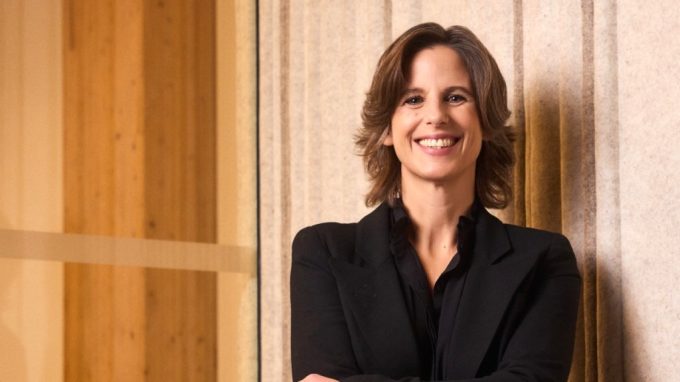
Julie Adam Is Billboard Canada Women in Music’s 2025 Exec of the Year
Julie Adam is having a milestone year — and it’s getting even...
Chris Marks4 Mins read

Spinal Tap Tribute Album with Foo Fighters,Tool for Teen Cancer America
Spinal Tap may be a fake band, but its music is very...
Chris Marks2 Mins read
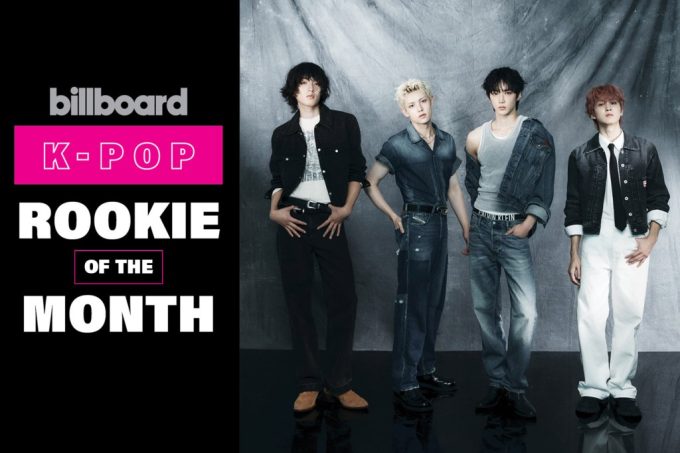
AxMxP Is K-Pop Rookie of the Month for September: Exclusive Photos
Ha Yoo Joon Image Credit: Chin Soyeon You debuted on Sept. 10....
Chris Marks2 Mins read




Leave a comment