

Rahma Riad: The Fearless Voice Reviving Iraq’s Timeless Echoes
Rahma Riad confronts fear and transcends borders through music, reshaping Iraqi identity in a world that too often forgets its timeless songs. What does her journey reveal about courage, culture, and the power of sound?
 Joseph BennettJuly 8, 20252 Mins read18
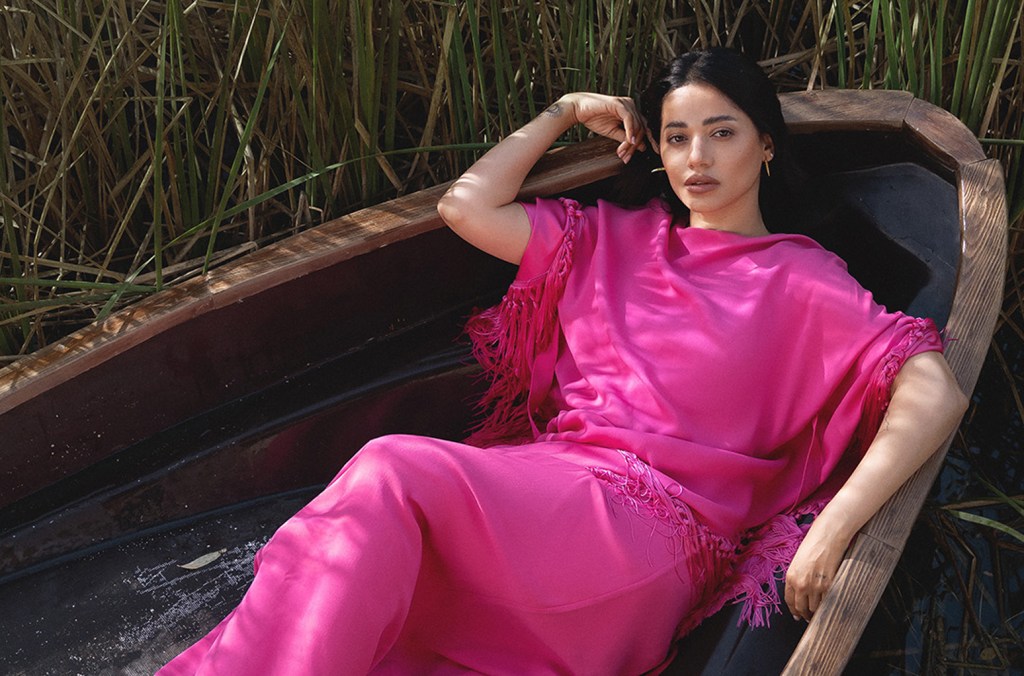
There is a silence before Rahma Riad sings—a pregnant pause filled with stories untold, fears unspoken, and histories almost erased. When she finally breaks it, her voice carries more than melody; it carries a nation’s fragile soul, daring to defy the chaos that surrounds it. The question lingers: can music be a sanctuary in times of fear, or is it a battlefield where identity is won and lost?
To call Rahma simply a singer is to miss the enigma she embodies. Her art is not confined to notes and lyrics; it’s a confrontation with the past and an invitation to the future. “Fear tries to hold us back,” she admits, but her resilience radiates from every word. How does one navigate the weight of history while composing something utterly contemporary? The answer seems locked in the tension between tradition and innovation, a balancing act few dare to attempt.
Echoes of a Forgotten Heritage
Iraq’s musical landscape is a palimpsest—each generation writes over another, yet traces of the past bleed through. Rahma’s work reveals the complexity of that layered identity, unearthing melodies that have survived war, exile, and censorship. Yet, what remains constant is the timelessness of the songs themselves. They are not relics but living entities, evolving with every performance. It’s in this revival where Rahma’s true artistry emerges—she’s both guardian and revolutionary, preserving while pushing boundaries.
Her collaboration with Billboard Arabia amplifies this mission, thrusting Iraqi music into the global spotlight. But does this international gaze risk diluting the raw authenticity, or does it provide a crucial platform to rewrite narratives long shaped by stereotypes?
When Fear Meets Melody
There is a paradox at the heart of Rahma’s journey: the very fear that threatens to silence her voice also fuels her creativity. She describes fear not as a weakness but as a catalyst—“When fear presses down, I sing louder.” This defiance transforms music from mere entertainment into a form of cultural resistance. It raises a haunting question—how much of the music we cherish owes its existence to the artist’s struggle against forces that seek to erase them?
As Rahma’s songs ripple beyond Iraq’s borders, they challenge listeners to rethink what it means to be Iraqi today. Is the nation’s identity locked in the past, or is it being reborn through voices like hers? The ambiguity is intentional, an artistic choice that forces us to listen with more than ears—perhaps with empathy, curiosity, and a willingness to confront uncomfortable truths.
Rahma Riad’s voice lingers long after the music fades, a haunting reminder that in the spaces between fear and song, something fragile and formidable is born. What stories remain unsung? And which voices will dare to sing them next?







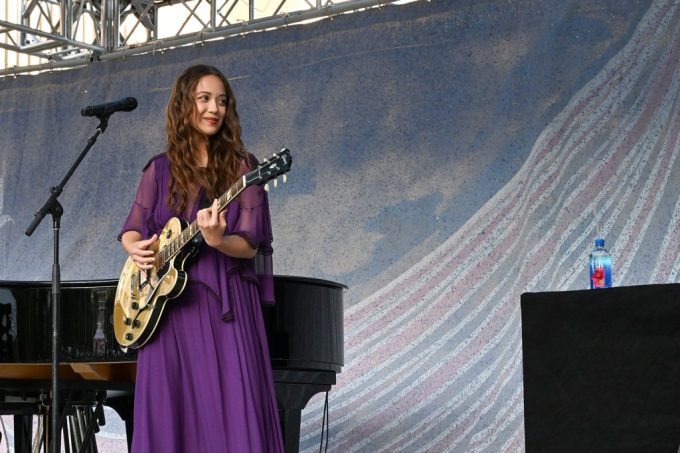
Laufey’s Opening Night Show at LA’s Crypto.com Arena: Best Moments
Laufey opened a two-night stand at Crypto.com Arena in downtown Los Angeles...
 Chris Marks6 Mins read
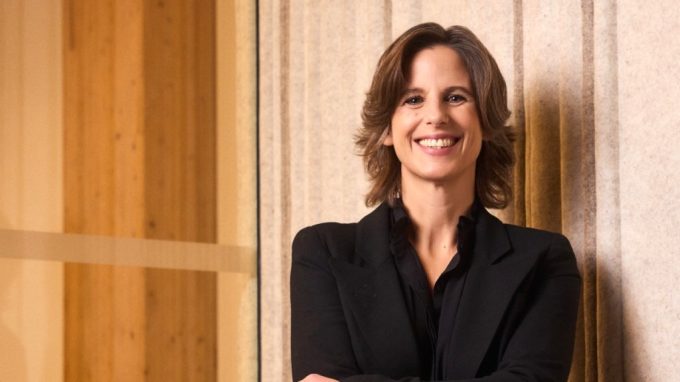
Julie Adam Is Billboard Canada Women in Music’s 2025 Exec of the Year
Julie Adam is having a milestone year — and it’s getting even...
Chris Marks4 Mins read

Spinal Tap Tribute Album with Foo Fighters,Tool for Teen Cancer America
Spinal Tap may be a fake band, but its music is very...
Chris Marks2 Mins read

AxMxP Is K-Pop Rookie of the Month for September: Exclusive Photos
Ha Yoo Joon Image Credit: Chin Soyeon You debuted on Sept. 10....
Chris Marks2 Mins read





Leave a comment