

Baseball’s Beautiful Lie
Behind every trade rumor is a quiet betrayal, a shifting loyalty, a disappearing star. As the 2025-26 offseason looms, baseball is no longer about who wins—it’s about who disappears next.
 Kirsten CollinsAugust 6, 20252 Mins read23

There’s a certain silence in baseball that no pitch can interrupt. It lives in the hush before the call, the half-second between innings, the dull echo of a name erased from a locker room wall. It’s the sound of being traded. As the 2025–26 offseason creeps in like a fog through the bleachers, the real game isn’t being played between the bases. It’s being whispered behind closed doors, in agent calls, backroom deals, and private jets headed anywhere but home.
The list is out. Ten names. Ten futures hanging by threads too thin for fans to see but heavy enough to rupture the delicate illusion that loyalty still exists in the sport. Joe Ryan, Steven Kwan, MacKenzie Gore—men turned chess pieces, avatars of metrics and margins. Each one beloved somewhere, yet somehow not enough. Not enough to stay.
The Game Beneath the Game
What’s more American than baseball? Maybe the myth of permanence it sells. But trades—these gorgeous, devastating disruptions—are proof that nothing in this sport is sacred, not really. “It’s not personal, it’s business,” they’ll say, as if those words haven’t undone dynasties, broken clubhouses, and rewired the DNA of entire franchises.
Joe Ryan, with his clean delivery and quiet confidence, suddenly finds himself a bargaining chip. Kwan, once the heart of a small-market team’s identity, now rumored to be bait. The idea of building around a player? Antiquated. The only currency now is potential plus profit. The heroes of July become the transactions of November. Fans buy the jerseys. Owners sell the futures.
Stats Don’t Cry, But We Do
There’s poetry in the statistics, but pathos in the silences they don’t measure. WAR doesn’t tell you what a trade feels like in a clubhouse. ERA doesn’t explain why a city gasps when a name trends on Twitter. Baseball has always been slow, methodical, romantic—until it isn’t. Then, it’s cold, abrupt, and dispassionately capitalist.
One scout described this year’s climate as “restless.” Not because players aren’t performing, but because front offices are addicted to movement. “The data wants motion,” he said. “Standing still feels like falling behind.” And so, the carousel spins—leaving behind the small traces of identity: a kid’s favorite player gone, a mural painted over, a billboard replaced by someone shinier, newer, cheaper.
What if the true story of baseball is not in the games played but the ghosts it leaves behind? Every trade is a soft vanishing act, a reminder that even our idols wear expiration dates. And as we scroll through rankings and rumors, calculating wins and losses on spreadsheets and social feeds, maybe the real question isn’t who’s getting traded.
Maybe it’s: Who’s still allowed to stay?






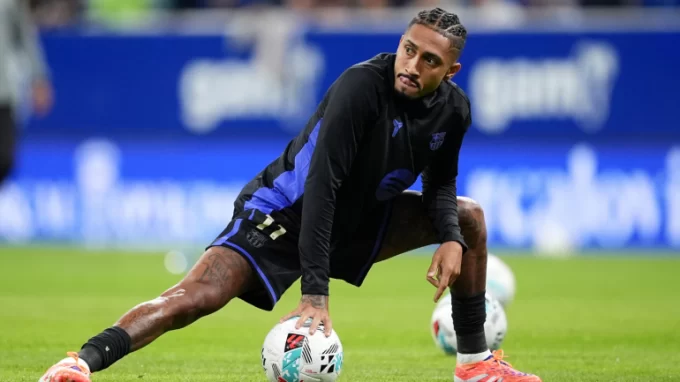
Barcelona’s Fragile Pursuit: When Injuries Threaten More Than Just a Season
A silence spreads over Camp Nou that no roar can drown out—two...
 Chris Marks2 Mins read
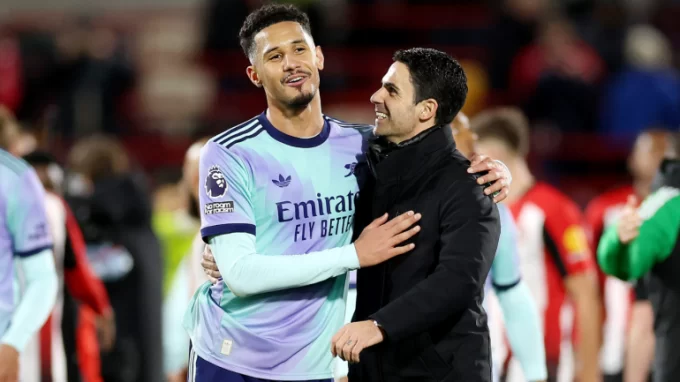
William Saliba: Arsenal’s Silent Architect or Its Greatest Gamble?
The air inside the Emirates shifts with unspoken tension—William Saliba, once a...
 Joseph Bennett2 Mins read
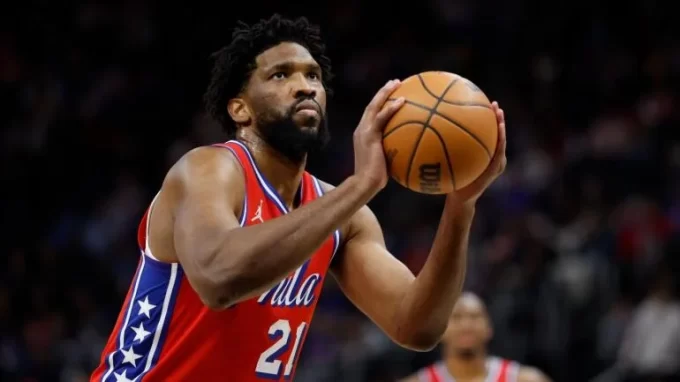
Joel Embiid’s Quiet Confidence: Is the 76ers’ Giant Ready to Rewrite His Story?
Joel Embiid is rarely one to make noise without purpose, and now,...
Kirsten Collins1 Mins read
Juventus, Atalanta, and Arsenal’s Quiet Revolution: What’s Really Shaping This Week in Football?
The roar of Serie A stadiums masks a subtle shift, one that...
Kirsten Collins2 Mins read





Leave a comment