

Brad Pitt Bought a Rock Star’s House—But What Is He Really Moving Into?
Brad Pitt just purchased a $12 million desert estate from The Killers' Dave Keuning—but the real story lies in the echoes, not the square footage. This isn’t real estate. It’s legacy laundering in real time.
 Joseph BennettAugust 6, 20252 Mins read13
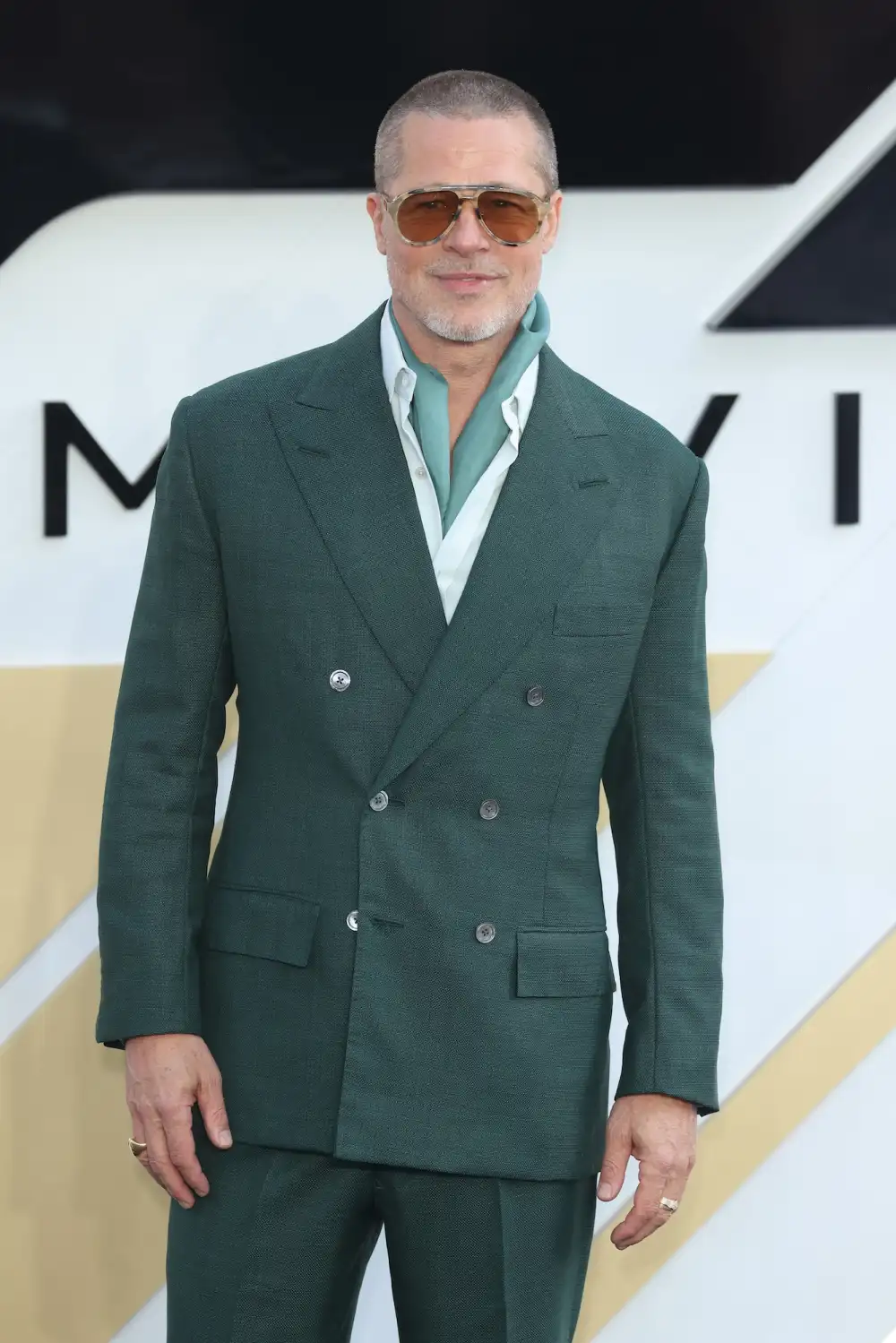
It isn’t just that Brad Pitt bought a house—it’s that he bought that house. The one tucked away in the sun-bleached corners of Coachella Valley, once pulsing with late-night guitar solos and the quiet excess of desert rock royalty. Formerly owned by Dave Keuning of The Killers, the $12 million estate drips not just with Palm Springs luxury but with the residue of rebellion, fame, and the strange silence that follows it.
Pitt, who has spent the better part of the last five years leaning further into architecture, sculpture, and slow-burning redemption, isn’t collecting property—he’s curating myth. This isn’t his first dramatic real estate purchase, nor will it be his last. But this one feels pointed. Calculated. Less Malibu glam, more modernist monk. And Keuning’s ex-home? It’s a place built for a man who once sang about losing himself in neon lights and Vegas sins. Now it houses someone trying to live like a ghost with excellent taste.
Where the Desert Ends, the Mirage Begins
Why would one of Hollywood’s last true movie stars choose to retreat to the spiritual leftovers of a rock guitarist? Maybe because Brad Pitt no longer plays the leading man. He plays the outsider, the quiet visionary, the stoic in tailored linen. A desert mansion once vibrating with post-tour decadence is now a temple for stillness. Or maybe it’s camouflage—a place where no one will ask about Angelina, or architecture awards, or what it means to be 61 and dating someone half your age.
A real estate insider described the estate as “steeped in character, built for someone who doesn’t need to perform anymore.” Translation? A house for men who have already been gods. The furnishings will change, but the intention won’t: to rewrite a life through the placement of glass, stone, and silence. To buy not just a home, but a narrative.
The Architecture of Reinvention
Here’s the twist: Pitt doesn’t flip homes for profit. He inhabits them like film sets. His former Los Feliz compound was a cinematic sprawl of past lives—each room curated to reflect the echoes of a younger Brad. This new home, in the post-glamorous hush of Palm Desert, feels like his third act. No children running through hallways. No premieres to rush back to. Just space. Stillness. And perhaps, finally, solitude.
But there’s also something voyeuristic in all this. Why does it matter whose home it was, or who owns it now? Maybe because in the absence of new roles, new relationships, or new controversies, celebrity real estate becomes the last public diary. The geography of fame has shifted. And in 2026, perhaps the only way to understand a man like Pitt is to trace the square footage he retreats to.
Twelve million dollars is steep for silence—but what if that’s the most expensive thing left? In this desert dreamscape, Brad Pitt isn’t buying space. He’s buying invisibility with a view. And you have to wonder: in a place once built for sound, will anyone hear him think?





When Mercy Meets Tragedy: The Widow Who Forgave Her Husband’s Killer
The air thickens when forgiveness enters a room meant for grief. Imagine...
 Chris Marks1 Mins read

When Fear Became a Lifeline: Pete Davidson’s Reckoning in Rehab
There’s a silence that follows a mother’s voice when she confesses her...
Joseph Bennett1 Mins read
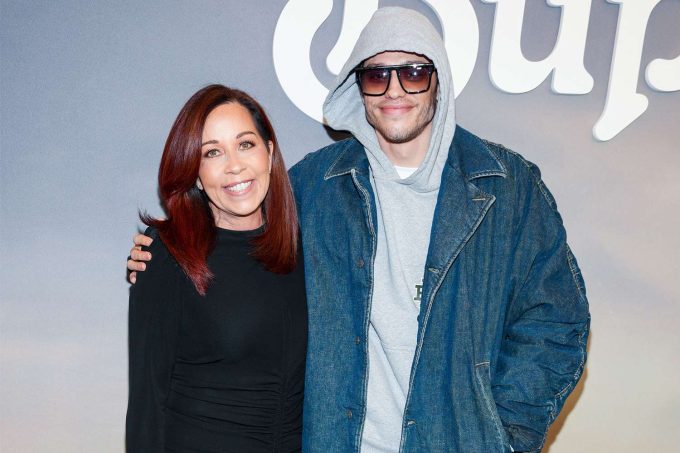
Pete Davidson’s mom told him in rehab worst fear was learning he died
Pete Davidson is opening up about the heartbreaking moment he had with...
Chris Marks2 Mins read
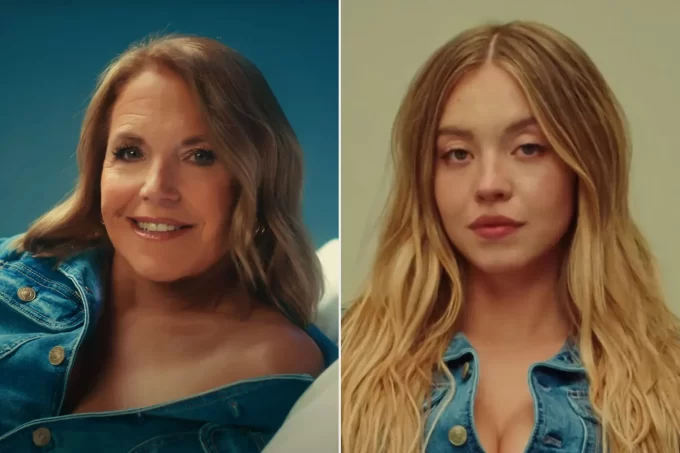
Katie Couric’s Unexpected Spin on Sydney Sweeney’s American Eagle Ad: What’s Really Being Said?
Katie Couric stepping into a scene dominated by Gen Z glamour feels...
 Krista Freeland2 Mins read




Leave a comment