

The Potency of Ungovernable Impulses: Can We Control Our Wildest Desires?
What if every impulse you’ve ever suppressed came rushing to the surface? Malka Older’s latest work forces us to confront the dark, untamable nature of human desire—and whether we can ever truly govern it.
 Chris MarksMay 7, 20253 Mins read123
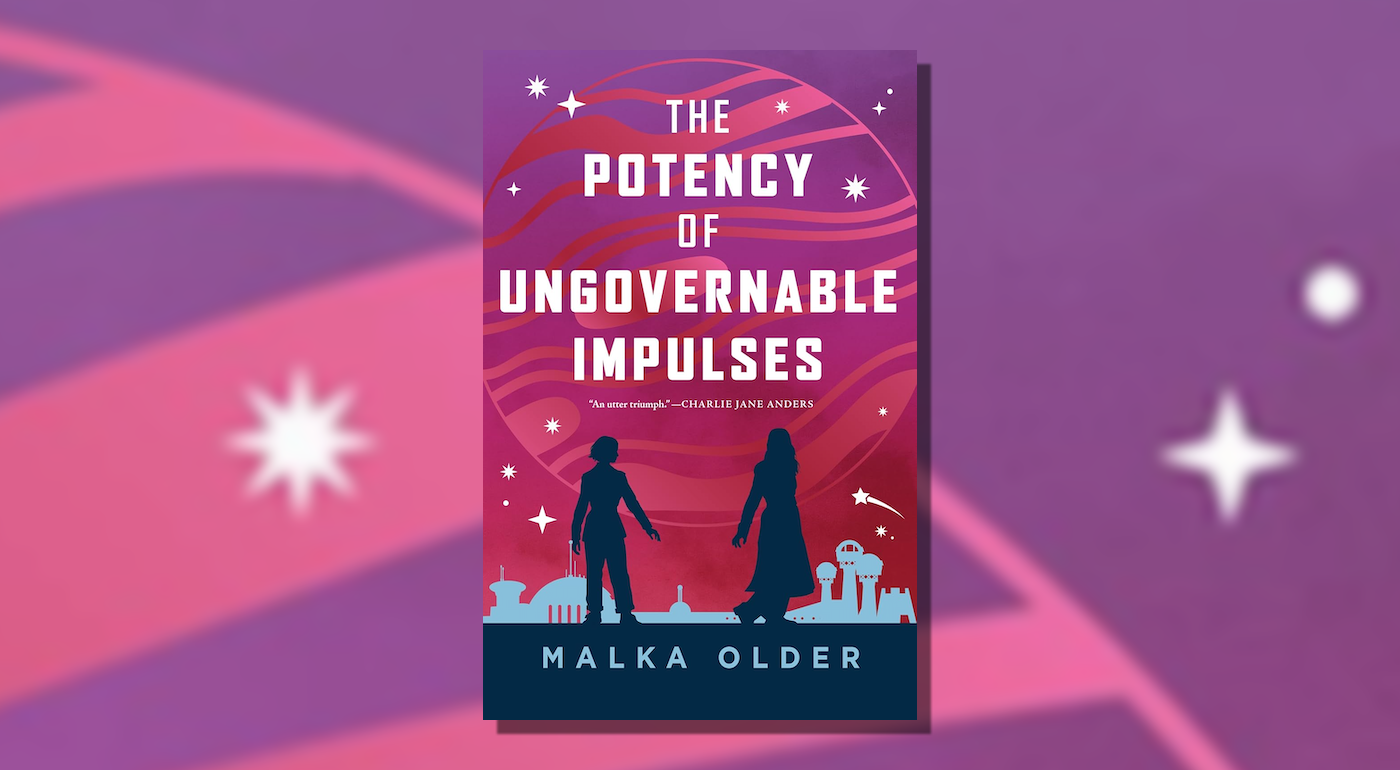
If you could follow every impulsive thought, would you still be you? The Potency of Ungovernable Impulses is not just a title; it’s a question—one that Malka Older poses with chilling, seductive elegance. What happens when the inner chaos that we so carefully manage is set loose? When desires—long buried or never fully acknowledged—start to demand attention, it forces the question: can we ever truly control ourselves? Or is the instinct to rein in our deepest urges nothing more than a fleeting illusion?
Older’s latest work opens with a stunning contradiction: a society built on the premise of control and order, where the human mind is encouraged to master its chaos, is suddenly faced with the uncontainable. Every human impulse, long suppressed and carefully regulated, rises to the surface. The people, the very fabric of the society, begin to fragment, unable to hold onto the rigid walls of civility they’ve been taught to uphold. This is the premise of The Potency of Ungovernable Impulses: a world teetering on the edge of total breakdown, where the question of self-control isn’t just theoretical—it’s a matter of survival.
The Lie of Control
The question is simple yet unsettling: Can you truly suppress what is wild inside you? Older’s novel unfolds with a quiet fury, exploring the human psyche’s precarious relationship with the instinct to control. The characters in this world are presented as models of self-governance, living within the thin line between inner chaos and outward calm. But as the narrative unravels, it becomes clear that the impulse to control one’s basest desires is not a triumph of will—it is a fragile veil that cannot withstand the force of nature beneath it.
When one character finally lets go, embracing the reckless desire they’ve fought so hard to suppress, it’s not just a personal revelation—it’s a social upheaval. Older writes, “What if everything we were told to control, to perfect, to bottle inside, is in fact the very force that makes us who we are?” And there it is—the clash between what we are expected to be and what we truly are. The impulse to control isn’t just a moral dilemma; it’s an existential one. The question isn’t whether we can control our urges, but whether we can ever really know ourselves without them.
Desire as Revolution
As the narrative dives deeper into the consequences of unfettered desires, the theme of rebellion becomes impossible to ignore. What happens when the collective desire for order meets the wild surge of emotion and instinct? The result is not just personal chaos but a societal collapse—a disintegration of the very structures that promised stability. Older doesn’t simply ask if we can control our impulses; she dares us to question what happens when we refuse to suppress them.
The rebellion within the pages of The Potency of Ungovernable Impulses isn’t just against societal norms; it’s a rebellion against the notion that we can ever be anything other than the sum of our desires. The characters are forced to confront a painful truth: the things they’ve worked so hard to control are not weaknesses, but the raw essence of their humanity. The ungovernable impulses—those things we lock away—are the most potent parts of us. The trick, it seems, is not to control them, but to find a way to coexist with them.
As the story unfolds, the line between moral order and chaotic freedom becomes increasingly blurred. The characters, once beholden to the laws that govern their actions, begin to wonder: is control really the answer? Is it possible that our wildest desires hold the key to understanding ourselves, to finding a truer path to freedom? In a world where desires no longer have to be suppressed, what happens to the very concept of self?
The ultimate question that Older leaves hanging—unanswered and tantalizing—is this: Can we ever truly escape the cages we’ve built for ourselves, or are we doomed to forever be governed by forces we don’t understand?





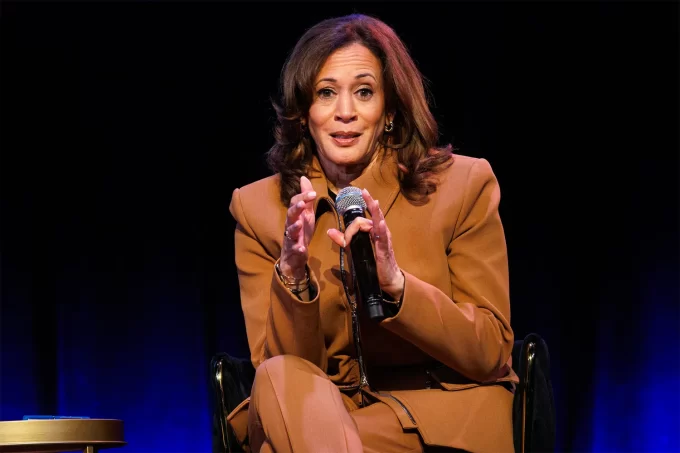
When “107 Days” Meets Outcry: Harris’s Book Tour Interrupted
The microphone crackled to life, and before Harris could finish her opening...
Chris Marks1 Mins read
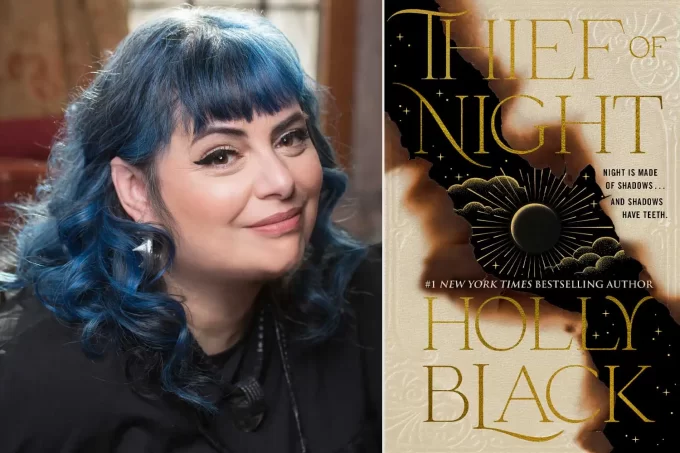
Whispers in the Shadows: Why Holly Black’s Sequel Is a Dark Invitation We Can’t Ignore
The night isn’t just dark—it’s ravenous, greedy, and it’s coming for you....
Chris Marks2 Mins read
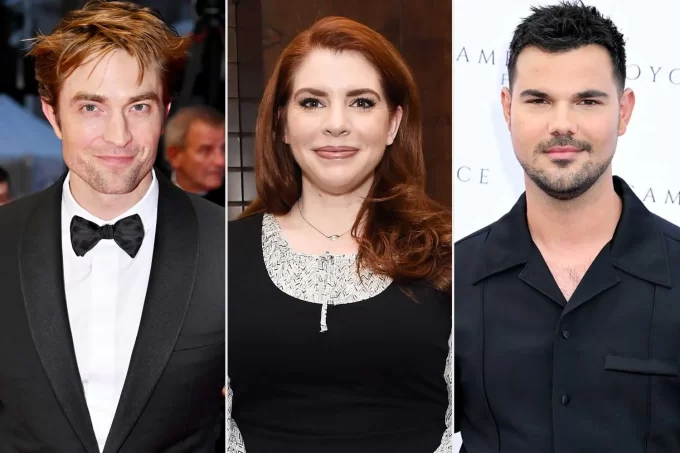
Why Stephenie Meyer’s Regret About Edward Changes Everything You Thought You Knew
The moment Stephenie Meyer admitted she wouldn’t pick Edward Cullen today, a...
Chris Marks2 Mins read
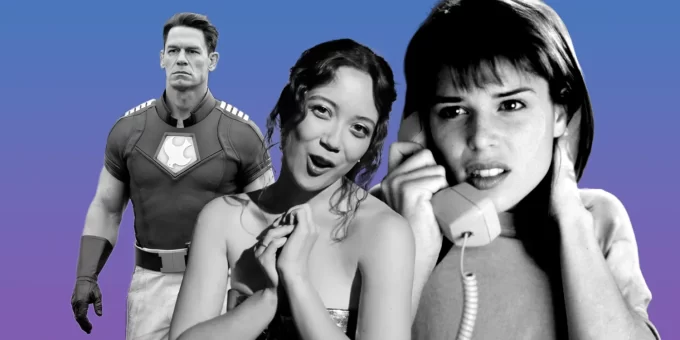
When Fear, Fury & Feathers Collide: Cinema, Superheroes, and a Confessional Album
Open with tension—the kind that threads through a scream, a reveal, and...
Chris Marks2 Mins read



Leave a comment