

Echoes from the Bank: The Final Curse of Lorna Raver
Lorna Raver’s haunting turn as Mrs. Ganush in Drag Me to Hell cemented her as a cult icon, and her passing at 81 invites us to ponder how a single terrifying role can overshadow a lifetime of transformative artistry.
 Chris MarksAugust 13, 20251 Mins read20
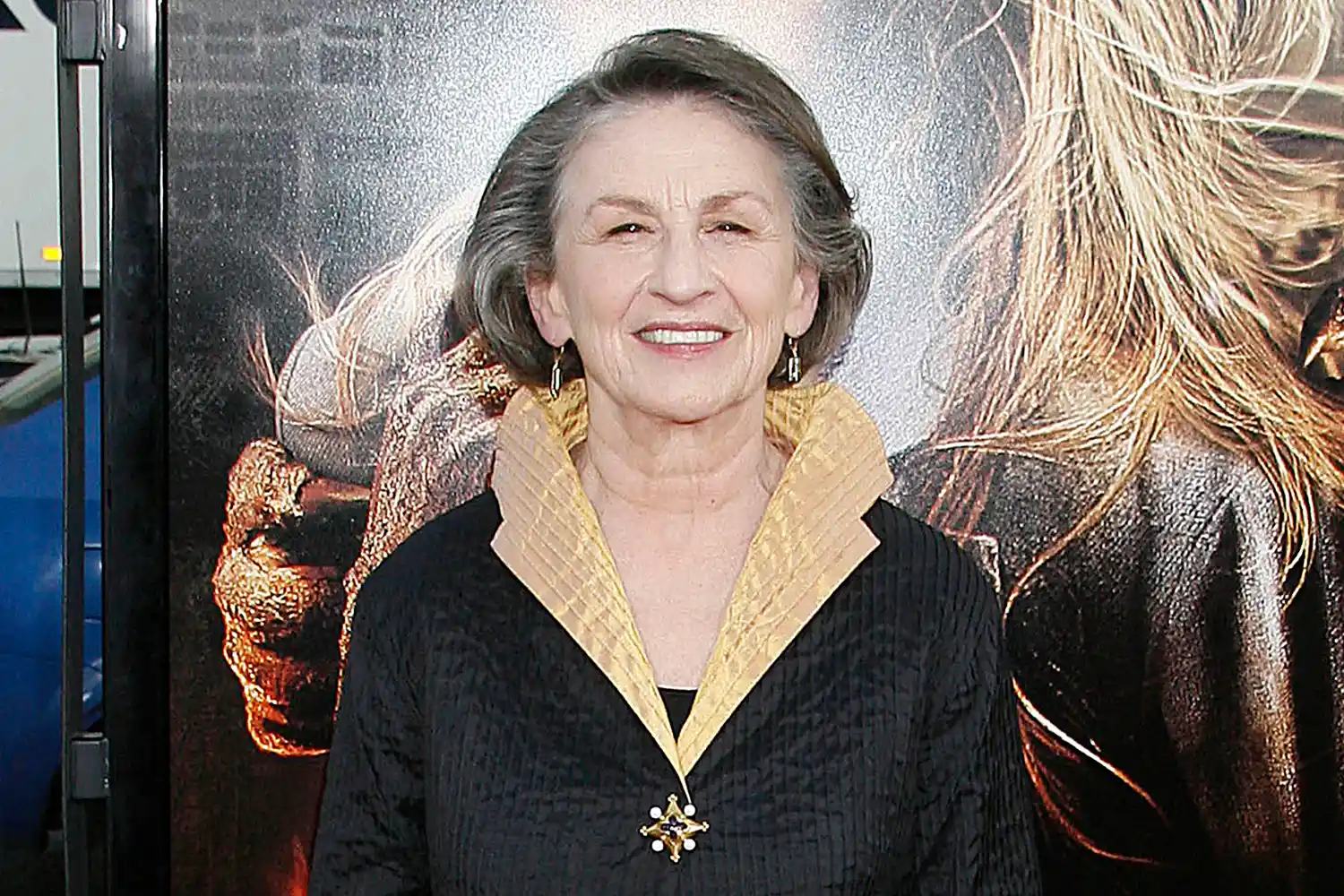
The first time Mrs. Ganush’s twisted face emerged on screen, she wasn’t just a character—she was a living echo of buried fears. Lorna Raver brought her to life with such bone-deep conviction that the curse felt like a curse on Raver herself—even as that role obscured the light of her broader legacy.
Her death at 81 this past May, quietly acknowledged in SAG-AFTRA’s summer issue, compels us to look past that single, unforgettable moment. What do we choose to remember—and what do we allow to vanish into horror’s shadow?
Beyond the Curse: A Stage Versus the Shadows of Screen
Long before she screamed her way into cult legend, Raver was forging her craft in the Hedgerow Theater, trading lines with reality in Off-Broadway plays like Last Days of the Dixie Girl Café. By the time she took the role that would haunt her memory, she had already crafted characters that existed in the complexity of humanity—not in pure fear. “Horror is not my genre necessarily…I thought it would certainly be an interesting adventure,” she said once, hinting at her reverence for Raimi’s vision more than anticipation for gore.
Yet with a scream and a shriek, she became immortalized as the spurned, vengeful bank customer, overshadowing decades of diverse performances. How did such a slice of horror eclipse her depth as an actor skilled in nuance?
A Voice Beyond the Veil
Raver’s artistry didn’t stop at the screen. Her voice offered solace and transformation within realms of audiobooks—audio worlds where she embodied entire universes. Earphones Awards and Audie nominations followed for her work, testaments to her alchemy of tone, rhythm, and empathy. Her narration wasn’t captivity—it was freedom, reshaping stories through her voice.
She spoke once of her love for becoming someone else, of inhabiting lives she didn’t live. Isn’t it fitting that the actress whose face terrified us also offered comfort through her voice? And yet the scream was louder than the whisper.
Raver retired in 2014, but the scream she released never faded. Her passing whispers an unsettling question: are we too quick to immortalize shadows and ignore the light behind them? In that flicker between scream and solace lies the true echo of her talent—and now that echo returns to us as both memory and a challenge.







When Mercy Meets Tragedy: The Widow Who Forgave Her Husband’s Killer
The air thickens when forgiveness enters a room meant for grief. Imagine...
Chris Marks1 Mins read

When Fear Became a Lifeline: Pete Davidson’s Reckoning in Rehab
There’s a silence that follows a mother’s voice when she confesses her...
 Joseph Bennett1 Mins read

Pete Davidson’s mom told him in rehab worst fear was learning he died
Pete Davidson is opening up about the heartbreaking moment he had with...
Chris Marks2 Mins read

Katie Couric’s Unexpected Spin on Sydney Sweeney’s American Eagle Ad: What’s Really Being Said?
Katie Couric stepping into a scene dominated by Gen Z glamour feels...
 Krista Freeland2 Mins read



Leave a comment