

Beneath the Surface: Why Shark Movies Still Hook Our Darkest Fascinations
From Jaws to the latest deep-sea thrillers, shark movies reveal far more than teeth and terror—they expose our collective obsession with fear, survival, and the unknown lurking beneath calm waters. But what makes these films eternally captivating?
 Krista FreelandJune 19, 20251 Mins read22
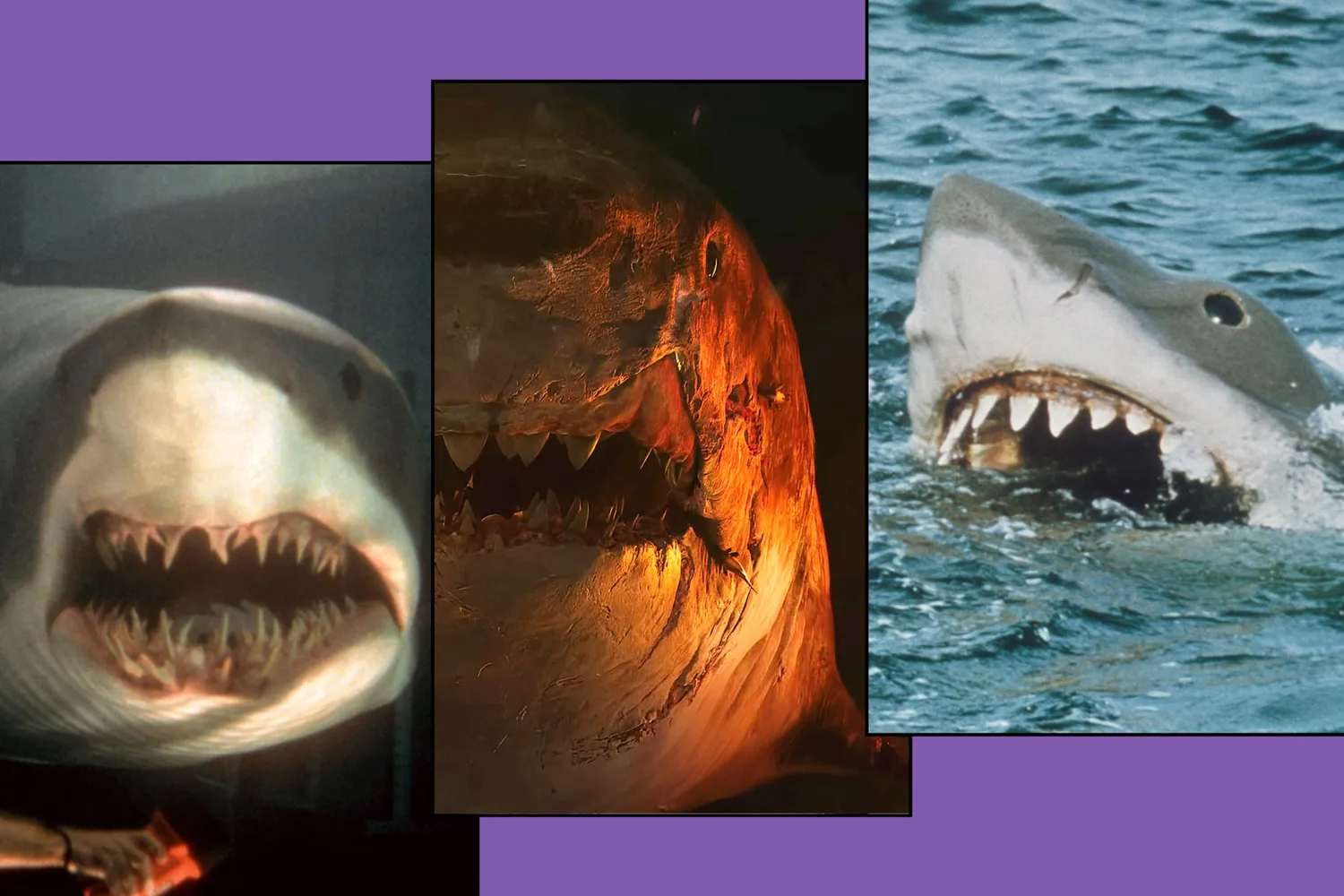
A single dorsal fin cutting through the water is enough to ignite a primal chill—both on screen and in our imaginations. Shark movies, long dismissed as mere summer scares, are surprisingly enduring vessels for exploring something far deeper: our paradoxical dance with fear and fascination.
What is it about these cinematic predators that hooks us beyond the obvious terror? They don’t just bite—they gnaw at our anxieties, our survival instincts, and something quietly unsettling beneath the surface of civilization itself.
When the Predator Becomes a Cultural Icon
The legacy of Jaws is impossible to escape. It didn’t just invent the summer blockbuster; it shaped a generation’s relationship with the ocean—teaching us to fear what we don’t see. Yet the film’s power lies not merely in its creature but in its orchestration of suspense, the unseen horror that lingers in the mind long after the screen fades to black.
As one critic aptly put it, “The shark is less a fish than a force—a manifestation of nature’s indifference and our own fragility.” Subsequent shark movies have tried to replicate that magic, some succeeding by expanding the mythology, others fading into camp. But each iteration asks: are we more terrified of the shark, or what it represents in ourselves?
The Deep Waters of Human Psychology
Shark films tap into a collective unease about the unknown—the dark, unfathomable depths where anything might be waiting. They play with our fears of invasion and vulnerability, mirroring broader anxieties about control and chaos in an increasingly unpredictable world.
It’s no coincidence that these movies resurface with new vigor when societal tensions rise. The shark becomes a symbol not just of nature’s wrath but of the unpredictable threats lurking beneath polished surfaces—whether political, environmental, or existential.
As the waves lap quietly on a sunlit shore, the question remains: why do we keep returning to the shark? Is it the thrill of the hunt, or the haunting reminder that some depths are better left unexplored? The real terror might be that we already know what lurks beneath—we’re just afraid to look.







How Much Money the Fighter Makes – Hollywood Life
Image Credit: Zuffa LLC via Getty Images Ronda Rousey is making her...
 Kirsten Collins2 Mins read

What Happened, Was it Hacked & More – Hollywood Life
Image Credit: Moment Editorial/Getty Images Stryker, a Michigan-based medical device production company,...
Kirsten Collins1 Mins read

How to Watch & More About the Timothée Chalamet Movie – Hollywood Life
Image Credit: GC Images Gwyneth Paltrow and Timothée Chalamet star in the sports...
Kirsten Collins2 Mins read

Meet the Actors Behind the Netflix Series – Hollywood Life
Image Credit: Courtesy of Netflix The Straw Hat Pirates are setting sail...
Kirsten Collins2 Mins read


Leave a comment