

The Lovers Who Broke the Fourth Wall—and Then Each Other
Together isn’t about surviving the end of the world. It’s about surviving each other—and what’s left when the intimacy becomes unwatchable.
 Joseph BennettAugust 1, 20252 Mins read23
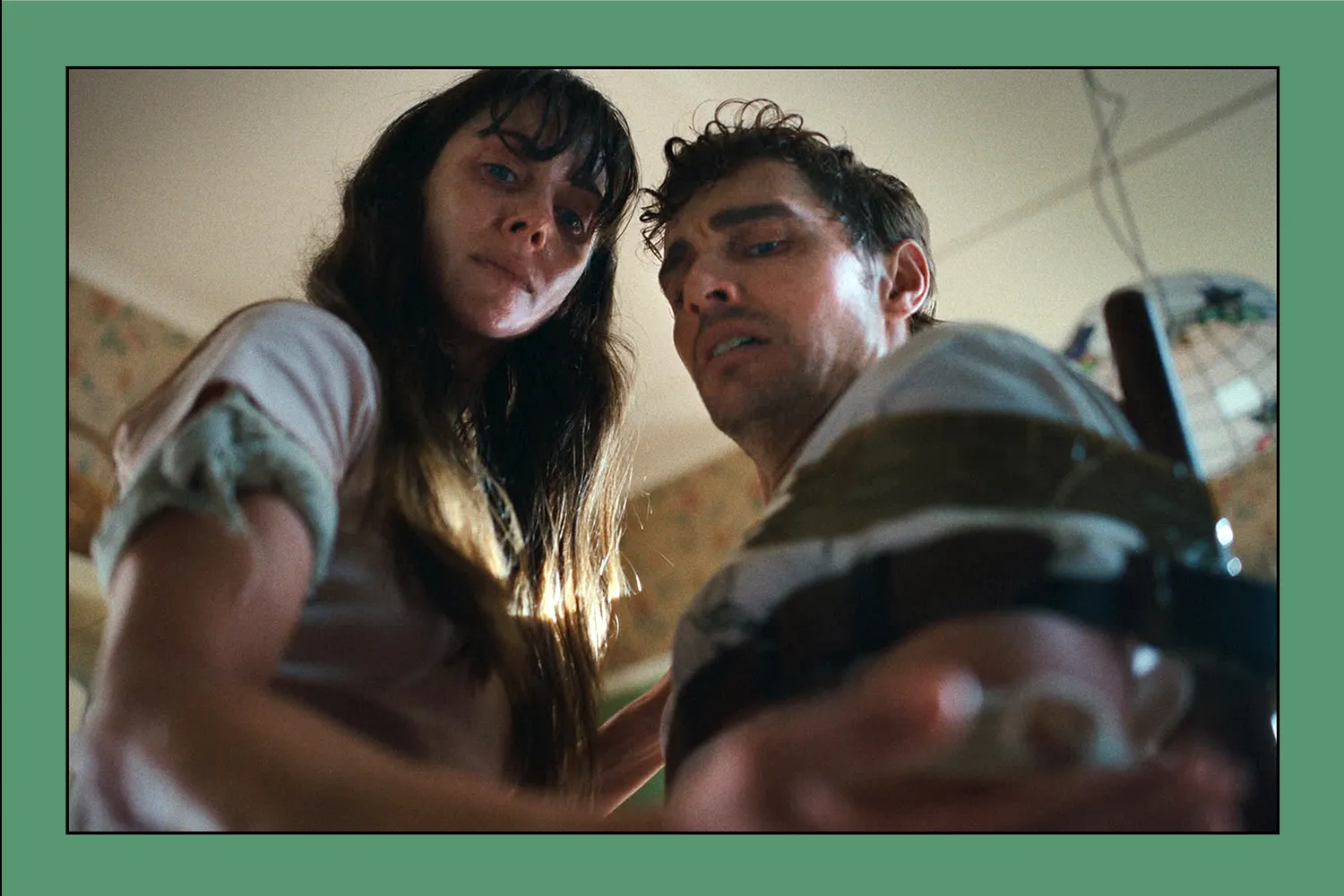
She breaks first. Not into tears, but into confession. The kind of confession that doesn’t ask for forgiveness but dares the viewer to look away. It’s quiet, surgical, and almost cruel. Which is exactly why it’s perfect.
Together, the 2025 claustrophobic chamber piece directed by Terrence Kent, feels less like a movie and more like emotional surveillance. Julia Stiles and Scott Speedman don’t act. They erode. Filmed with a voyeuristic precision that recalls early Bergman and the cynicism of Cassavetes, the film drops us into a relationship built on ash and breathes life into the smoke. It’s not romance—it’s reckoning.
When Love Is a Weapon, and the Screen Is a Mirror
The plot, if you can call it that, is almost irrelevant. A couple, unnamed and unmoored, try to navigate a post-pandemic world and their festering intimacy within it. The lockdown is over, but their private quarantine never ends. There are no flashbacks, no expository outbursts, just a single setting and two people who both refuse to leave and refuse to stay.
What makes Together feel radical is not its minimalism—it’s its exposure. They speak to each other, but more often, they speak to us. The fourth wall is shattered from the start, and what spills out isn’t performance. It’s strategy. Every line is a weapon cloaked in vulnerability. “Do you love me?” one asks, half-whisper. “I think I remember how to,” the other replies, eyes straight to camera. It’s not a moment of connection—it’s a trap.
That’s what makes the film unbearable and unforgettable: it implicates the audience in the disintegration. The lovers stare into the lens as if daring us to intervene, to judge, to sympathize. And when the final break comes—when one of them finally walks out—it isn’t cathartic. It’s punishment.
The Lie of Reconciliation—and the Seduction of Ruin
The ending has sparked confusion, debate, and quiet dread. Did she come back? Was he dreaming? Was any of it real? The ambiguity isn’t cheap—it’s strategic. Together doesn’t offer answers. It offers recognition. And recognition, in a culture obsessed with closure, is the crueler gift.
Some have called it anti-romance. Others say it’s pandemic porn for the emotionally literate. But what Together really does is dismantle the myth that intimacy is healing. Sometimes it corrodes. Sometimes it corners you into the version of yourself you swore you’d never become. And sometimes—most brutally—it makes for exquisite cinema.
In one of her final monologues, Stiles looks straight at the viewer and says, “I loved you more when I wasn’t watching you love me.” It’s a line that should feel overwritten. Instead, it lands like a confession we weren’t meant to hear.
This isn’t a film for date night. It’s a film for the aftermath. For the silence that follows an argument no one won. For the moment you realize the camera has been on you the whole time.
So no, Together isn’t a love story. It’s a mirror. One we may never want to look into again—but one we’ll never quite forget was there.








Pianist Omar Harfouch Brings Celebrated Figures Together for a Night of Cultural Exchange – Hollywood Life
Image Credit: Omar Harfouch On February 20, 2026, pianist and cultural figure...
 Kirsten Collins2 Mins read

How Much Money Does She Have Now? – Hollywood Life
Image Credit: WWD via Getty Images Rihanna may be known as one...
Kirsten Collins2 Mins read
Stars Who Slammed ‘Love Story: JFK Jr. & Carolyn Bessette’: Statements – Hollywood Life
Image Credit: Getty Images FX’s Love Story: John F. Kennedy Jr. and...
Kirsten Collins2 Mins read
Find Out Release Date, Cast, Plot Details & More – Hollywood Life
Image Credit: Courtesy of Amazon Freevee After its breakout first season, Jury...
Kirsten Collins2 Mins read





Leave a comment