

Still in His Socks: The Scene That Made—and Haunts—Tom Cruise
At 42, Risky Business is still seducing pop culture with one of cinema’s most unbuttoned moments. But what if the underwear scene was never about rebellion—what if it was about something far riskier?
 Chris MarksAugust 5, 20252 Mins read23
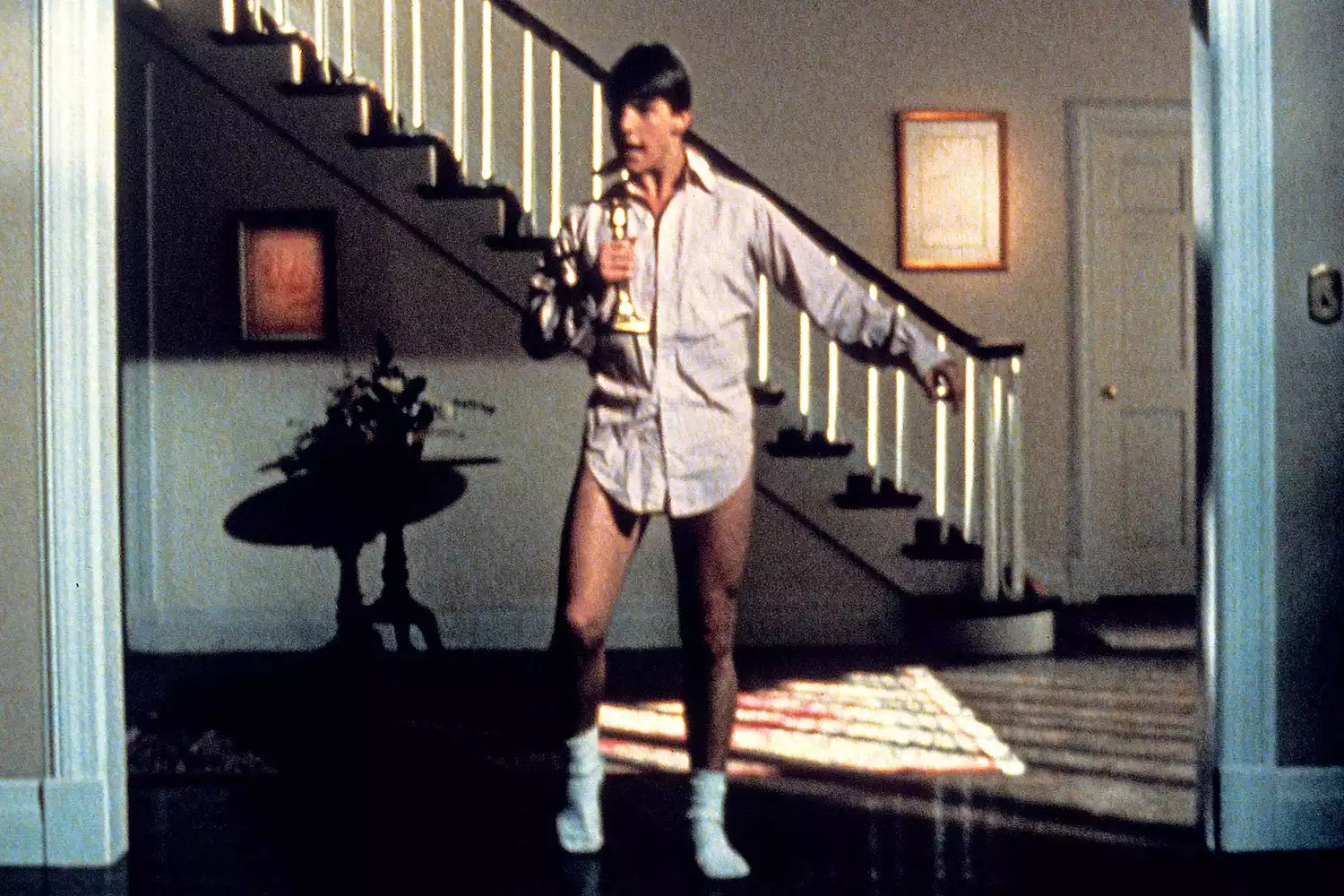
It wasn’t a dance. It was a declaration. When Tom Cruise, barely 21, slid into the frame in Risky Business, socked feet gliding across polished suburban flooring, the world didn’t just meet a new movie star—it was handed a thesis on American desire, delivered in tighty-whities and Ray-Bans.
What everyone remembers is the music: Bob Seger growling about old-time rock ‘n’ roll, the ecstasy of throwing off societal shackles with nothing but a button-down and adolescent nerve. But beneath the beat and bravado lies something stranger. That scene was not just sexy—it was eerily calculated, a moment where innocence and ambition collided in broad daylight, and no one quite knew which one won.
The Revolution Was Televised—in Cotton Briefs
The brilliance of that moment was how naked it was—not just physically, but emotionally. Cruise wasn’t just dancing; he was performing freedom for the camera, knowing full well someone would be watching. And we still are. Four decades later, the clip is endlessly meme’d, Halloween’d, TikTok’d. But what’s eerie isn’t the scene’s durability. It’s how perfectly it predicted the Instagram generation before the Internet even existed.
Director Paul Brickman once said, “We were trying to capture that feeling of being unmoored—of the house becoming a stage.” In hindsight, he gave us the first viral performance. Cruise, at that moment, became less a character and more a brand prototype—hyper-confident, hyper-visible, and achingly aware of his reflection in the glass.
It was rebellion with lighting. Sexuality as sales pitch. A clean-cut boy dancing dirty enough to be remembered, but not enough to be punished. And that’s what America bought.
The Mask of Joel Goodson
There’s a theory that all great film moments are accidents disguised as art. But Cruise’s slide was rehearsed. Crafted. Refined down to the millisecond. And in that microsecond of movement, something else slipped in—our obsession with the curated self. That scene is the original “personal brand”—long before influencers, algorithms, and content calendars dictated our poses and playlists.
What Cruise sold in Risky Business was control disguised as chaos. A boy home alone—but in full command of his spectacle. And it worked. It launched him. But it also imprisoned him.
Since then, Cruise has never really escaped Joel Goodson. The characters changed—pilots, spies, messiahs—but the gaze remained. Controlled. Precise. Engineered to impress without confessing. Maybe that’s the real risk of Risky Business: once you sell your soul for performance, you never quite get it back.
And as Cruise turns 63 next summer, still sprinting through stunts and defying time, we can’t help but wonder—was that scene his peak or his prophecy?
He slid in wearing nothing. And somehow, he’s still running.






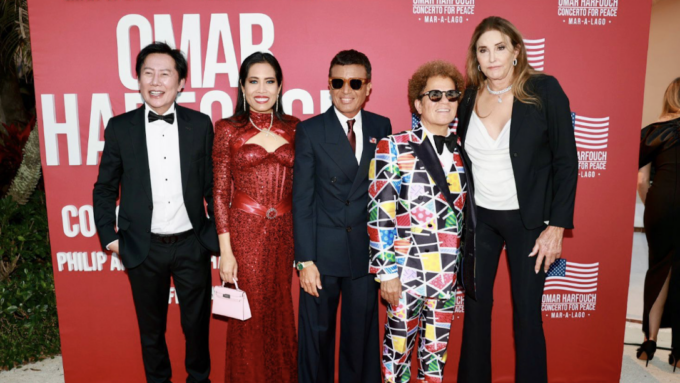
Pianist Omar Harfouch Brings Celebrated Figures Together for a Night of Cultural Exchange – Hollywood Life
Image Credit: Omar Harfouch On February 20, 2026, pianist and cultural figure...
 Kirsten Collins2 Mins read
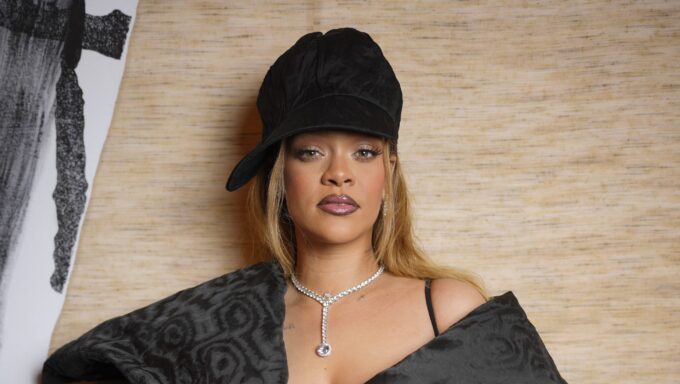
Who Is Ivana Lisette Ortiz? About the Rihanna Home Shooting Suspect – Hollywood Life
Image Credit: WWD via Getty Images The suspect in the March 8,...
Kirsten Collins1 Mins read
How Much Money Does She Have Now? – Hollywood Life
Image Credit: WWD via Getty Images Rihanna may be known as one...
Kirsten Collins2 Mins read
Stars Who Slammed ‘Love Story: JFK Jr. & Carolyn Bessette’: Statements – Hollywood Life
Image Credit: Getty Images FX’s Love Story: John F. Kennedy Jr. and...
Kirsten Collins2 Mins read





Leave a comment