

The Numbers Don’t Lie—Or Do They? Inside DWTS’s Most Puzzling Scoring Mysteries
When the glitter settles and the music fades, Dancing with the Stars’ scoring controversies linger like a shadow no mirror ball can dispel. From Nyle DiMarco to Whitney Leavitt, the question remains: how much faith can we place in the judges’ numbers?
 Joseph BennettSeptember 18, 20251 Mins read28
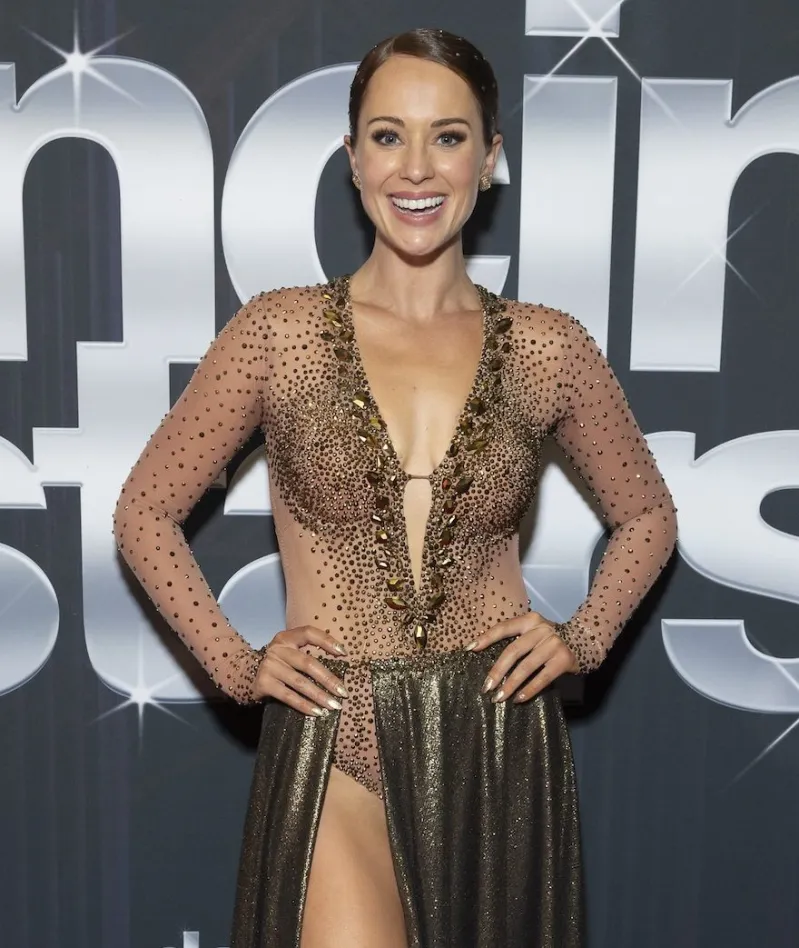
Scores are supposed to be the gospel of Dancing with the Stars—precise, fair, final. Yet, time and again, those seemingly infallible digits have faltered under scrutiny, leaving audiences questioning the very integrity of the show they adore. When a perfect ten feels more like a tease than a truth, what does that say about the competition itself?
DWTS is not merely a contest of rhythm and charisma; it’s a delicate dance of perception and persuasion. Could it be that the numbers on the screen hide more than they reveal? What if every flawless pirouette comes shadowed by the silent hum of scoring errors—some innocent, some suspicious?
When the Scores Don’t Match the Moves
Remember Nyle DiMarco’s electrifying routines, celebrated for both technical skill and raw emotion? Yet, whispers emerged about scoring inconsistencies, hinting that the judges’ tallies sometimes wandered from what the dance floor promised. Whitney Leavitt’s recent exit rekindled these debates, as fans and insiders alike wondered: is the scoring truly about merit or something far murkier?
A seasoned insider confided, “It’s not always about the dance. Sometimes it’s the story they want to tell.” This cryptic observation raises unsettling questions about the layers beneath the sequins and spotlights. Are the judges arbiters of skill, or gatekeepers of a narrative?
The Thin Line Between Art and Arithmetic
Dancing is a blend of precision and passion, but scoring is supposed to be pure mathematics—objective and fair. Yet, how do you quantify artistry without slipping into subjectivity? The scores on DWTS have sometimes seemed like a chess game with invisible players moving pieces behind the curtain.
Fans debate endlessly, dissecting every decimal point, every judge’s comment, searching for a hint of truth in a game that thrives on illusion. “You can’t always trust the numbers,” one devoted viewer confessed, “because they’re as choreographed as the dances themselves.” How much control do we relinquish when the truth is measured in fractions and applause?
The ballrooms glitter, the dancers spin, and the judges tally. But beneath the glamour lies a persistent question: in a world obsessed with transparency, how much are we willing to overlook in favor of spectacle? When the final score flashes, it is both a verdict and a veil—revealing, concealing, forever dancing on the edge of certainty.




When Mercy Meets Tragedy: The Widow Who Forgave Her Husband’s Killer
The air thickens when forgiveness enters a room meant for grief. Imagine...
 Chris Marks1 Mins read

When Fear Became a Lifeline: Pete Davidson’s Reckoning in Rehab
There’s a silence that follows a mother’s voice when she confesses her...
Joseph Bennett1 Mins read

Pete Davidson’s mom told him in rehab worst fear was learning he died
Pete Davidson is opening up about the heartbreaking moment he had with...
Chris Marks2 Mins read

Katie Couric’s Unexpected Spin on Sydney Sweeney’s American Eagle Ad: What’s Really Being Said?
Katie Couric stepping into a scene dominated by Gen Z glamour feels...
 Krista Freeland2 Mins read




Leave a comment