

What If Money Isn’t the Richest Thing You Own?
Sahil Bloom’s theory of the five types of wealth doesn’t just challenge the way we think about money—it dismantles the myth that riches can be measured in zeros.
 Chris MarksMarch 26, 20252 Mins read27
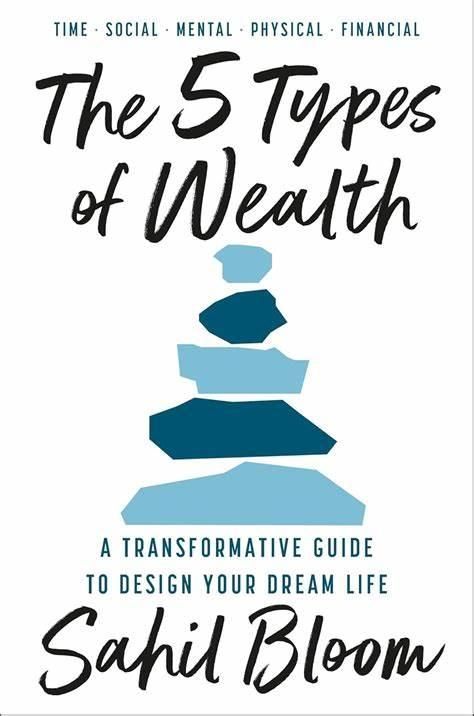
The richest man in the room didn’t speak first. He didn’t need to. His silence weighed more than any stock portfolio.
There’s a curious danger in assuming wealth always looks like it should. Power suits, luxury watches, the faint smell of private equity. But what Sahil Bloom proposes in his paradigm-shifting take on the five types of wealth is almost unsettling: What if we’ve spent our lives climbing ladders that lead to empty rooftops? What if time, health, relationships, knowledge—and yes, money—were never meant to be hoarded, but rotated like seasons?
It’s not a self-help platitude. It’s a quiet dismantling of capitalism’s most seductive lie: that money is the master key. Bloom isn’t preaching from a minimalist mountaintop; he’s worked within the machine. But he’s asking a question few dare to articulate: If wealth doesn’t set you free, what exactly are you chasing?
Currency You Can’t Deposit
Time, Bloom says, is the first and most overlooked wealth. “You can always make more money, but you can’t make more time.” The phrase feels obvious—until you realize how many lives have been traded for corner offices and calendar invites. The time-rich aren’t idle; they’re intentional. They own their hours, not just their homes.
Then there’s health—perhaps the most volatile form of wealth, and the one least respected until it collapses. Emotional wealth? Even more slippery. Not a therapist’s catchphrase but the ability to be whole, anchored, unshaken by chaos. In Bloom’s framing, financial wealth is no longer the finale. It’s just one note in a much larger score. And those who obsess over it alone are, in his terms, “over-indexing on one domain at the expense of the others.”
This idea lands like a whisper in a world addicted to applause. But it lingers.
The Wealth You Don’t Post About
We’ve made affluence theatrical. It lives on feeds, in curated content, in the meticulous alignment of aesthetics and aspiration. But wealth that truly matters—legacy wealth, idea wealth, the kind passed in midnight conversations or coded into children’s memories—refuses to perform.
Perhaps that’s why Bloom’s framework feels so subversive. It’s not about rejecting money, but about dethroning it. Real wealth, it turns out, isn’t bought. It’s built—and sometimes, broken.
Ask yourself: if your bank account vanished overnight, what would remain? Your health? Your relationships? Your ability to begin again? These are the accounts no one tracks but you. And maybe that’s the point.
So when the richest man in the room finally spoke, it wasn’t to brag. It was to ask a question. The kind of question that doesn’t just change your finances—it changes your definition of forever.








When “107 Days” Meets Outcry: Harris’s Book Tour Interrupted
The microphone crackled to life, and before Harris could finish her opening...
Chris Marks1 Mins read
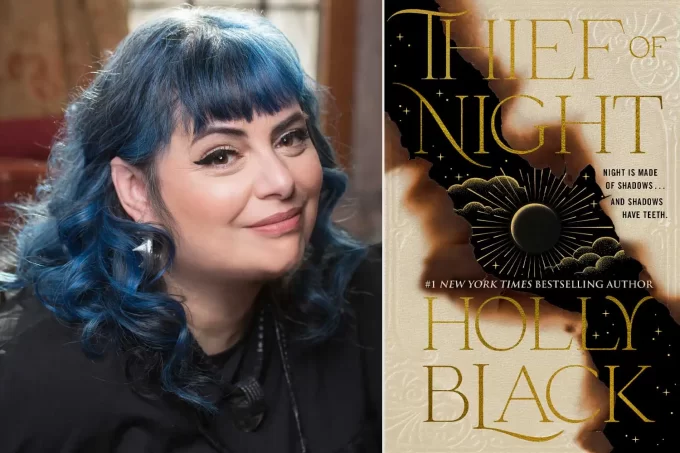
Whispers in the Shadows: Why Holly Black’s Sequel Is a Dark Invitation We Can’t Ignore
The night isn’t just dark—it’s ravenous, greedy, and it’s coming for you....
Chris Marks2 Mins read
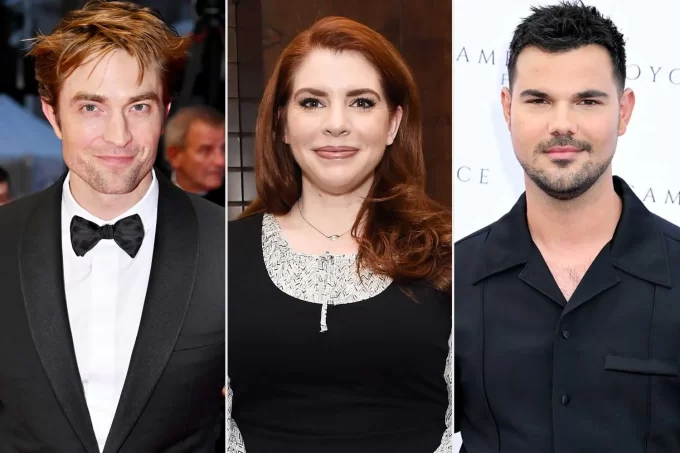
Why Stephenie Meyer’s Regret About Edward Changes Everything You Thought You Knew
The moment Stephenie Meyer admitted she wouldn’t pick Edward Cullen today, a...
Chris Marks2 Mins read

When Fear, Fury & Feathers Collide: Cinema, Superheroes, and a Confessional Album
Open with tension—the kind that threads through a scream, a reveal, and...
Chris Marks2 Mins read




Leave a comment