

The Quiet Power Behind the Greatest Oscar Actresses
Some Oscar wins shimmer with obvious glamour—others hide a fierce, unspoken revolution. What truly defines the greatest Best Actress winners, and why does their legacy still unsettle Hollywood’s polished surface?
 Chris MarksJuly 14, 20252 Mins read19
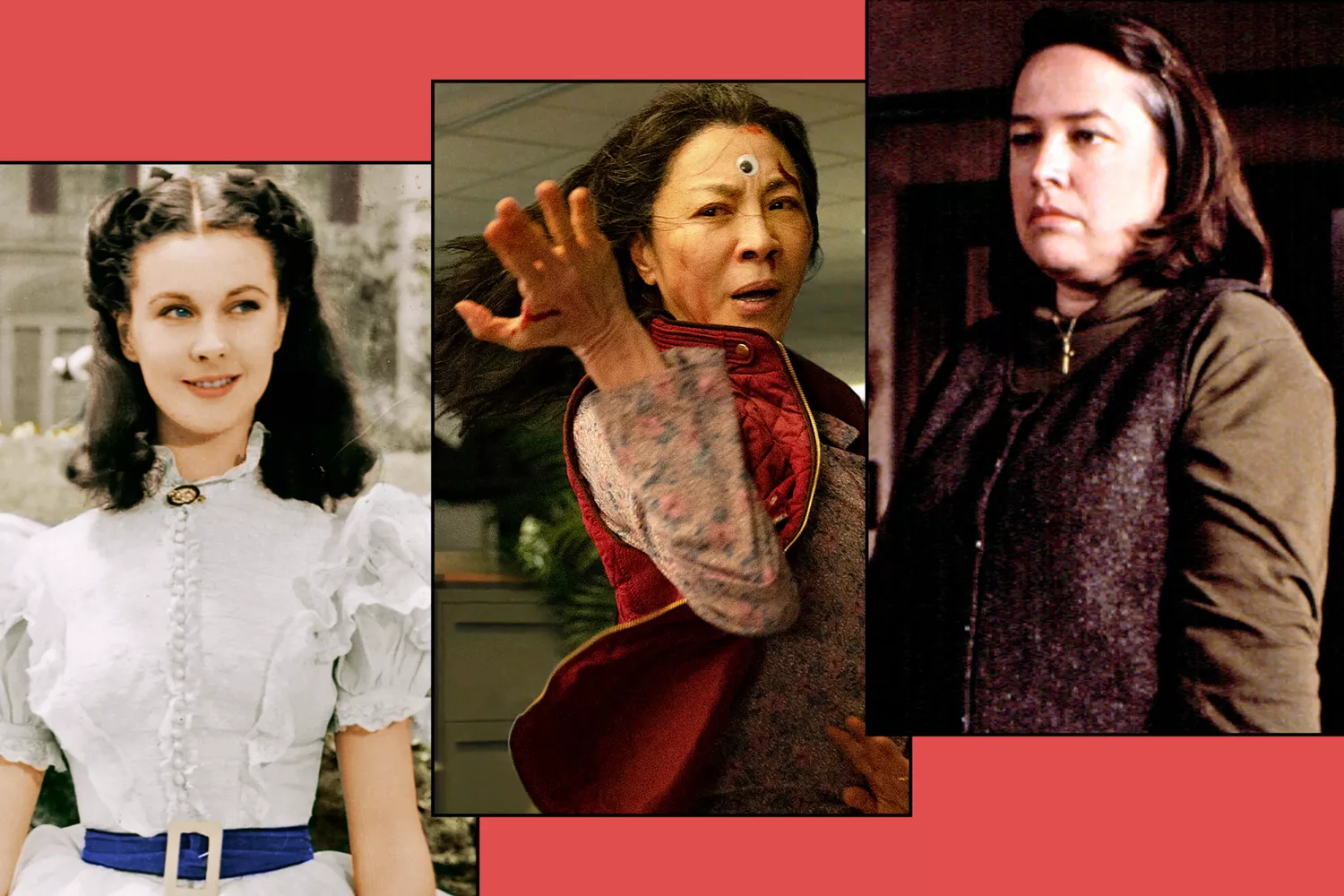
The room is silent except for the camera’s soft click—a single moment crystallized in time when an actress, a woman, becomes not just a star, but an enigma wrapped in a golden statue. The Best Actress Oscar isn’t merely about who gave the best performance; it’s about who transformed the very language of cinema, who reshaped how femininity, power, and vulnerability collide on screen. But what do we really honor when we hand out that golden idol?
Oscar history reads like a whispered secret society, where glitz masks fierce battles of identity, politics, and shifting cultural tides. Each winner is a cipher—her victory a headline, but her true story far more elusive. Some actresses have turned their wins into badges of quiet rebellion, others into a beacon that dares us to reconsider what acting, and womanhood, truly mean.
The Performance Beyond the Spotlight
To win Best Actress is to transcend mere talent; it is to inhabit contradictions. Think of those rare women whose faces carry decades of unspoken stories, who wield silence like a weapon sharper than any line delivered. One industry veteran once confessed, “Winning the Oscar doesn’t always free you—it can also bind you to expectations you never asked for.” These actresses are caught between their art and the image the world insists upon, forever negotiating their legacy in a frame as tight as the statuette’s grasp.
It’s why some performances become immortal—not because they sparkle under the spotlight, but because they haunt us in the shadows. The greatest Oscar winners teach us that acting is not performance alone but revelation, risk, and sometimes, pure defiance.
Legacy in the Golden Gaze
What remains after the flashbulbs fade? The true impact of these women is not just the roles they’ve played but the questions they’ve etched into Hollywood’s soul. How does one measure greatness when it demands continual reinvention, both on and off screen? The Oscar can crown a moment, but greatness is a restless shadow chasing the light.
As the industry evolves, the narratives around these actresses grow ever more complex. Their victories aren’t just awards; they are markers on a map of cultural change, tracing a path from convention to daring, from silence to voice. “An Oscar is a conversation starter,” a director once noted, “but the real dialogue is what happens when the cameras turn off.”
We celebrate these Best Actress winners not for their trophies, but for the mysteries they carry and the challenges they pose: What does it mean to embody greatness in a world constantly rewriting the rules? And as we watch the next generation ascend, will the golden gaze reflect change—or simply the same story, retold? The answer, like the best performances, lingers just out of reach.






Pianist Omar Harfouch Brings Celebrated Figures Together for a Night of Cultural Exchange – Hollywood Life
Image Credit: Omar Harfouch On February 20, 2026, pianist and cultural figure...
 Kirsten Collins2 Mins read
Who Is Ivana Lisette Ortiz? About the Rihanna Home Shooting Suspect – Hollywood Life
Image Credit: WWD via Getty Images The suspect in the March 8,...
Kirsten Collins1 Mins read

What Channel Are the Academy Awards On? – Hollywood Life
Image Credit: AFP via Getty Images The 2026 Academy Awards will bring...
Kirsten Collins1 Mins read
How Much Money Does She Have Now? – Hollywood Life
Image Credit: WWD via Getty Images Rihanna may be known as one...
Kirsten Collins2 Mins read





Leave a comment