

“Electric Arm or Exhibition Pawn? Manfred Defends Misiorowski All‑Star Nod”
MLB Commissioner Rob Manfred stands firm behind rookie Jacob Misiorowski’s All‑Star selection—despite widespread criticism—raising questions about fan-fueled choices trumping merit.
 Krista FreelandJuly 15, 20251 Mins read27
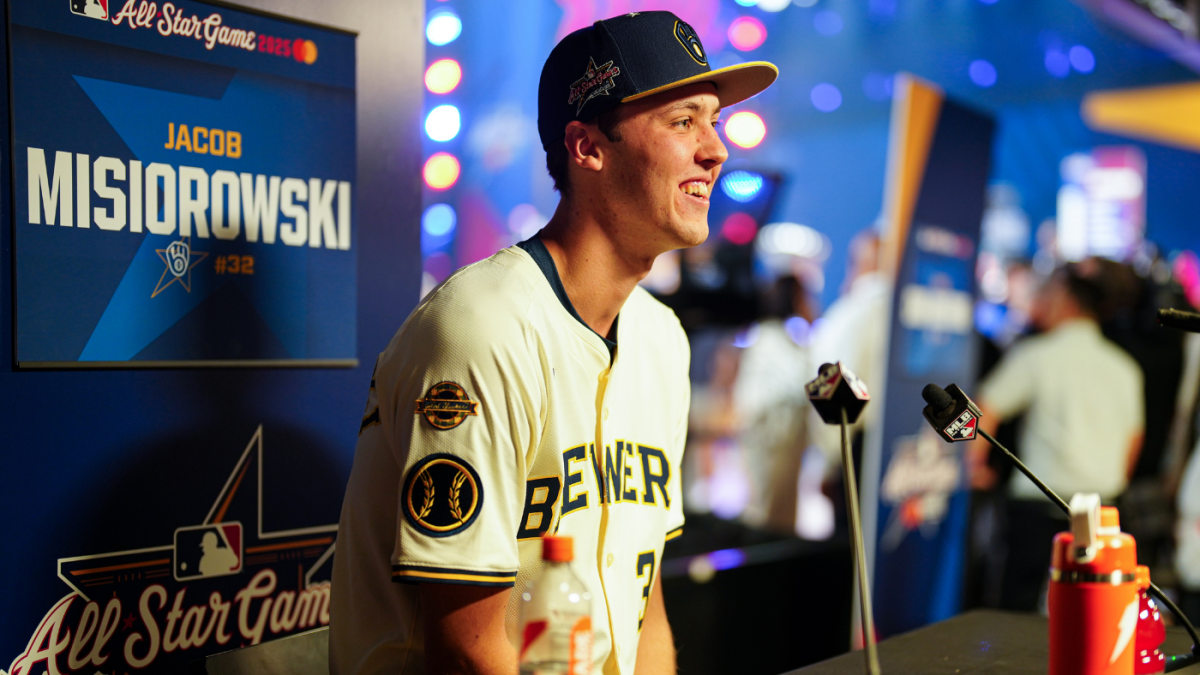
The air crackled when commissioner Rob Manfred named Jacob Misiorowski to the All‑Star roster—just five MLB starts in, yet instantly thrust into baseball’s biggest midseason showcase. Manfred outright declared the move “the right decision given where we were,” grounded not in tenure but in the raw electricity of a flame‑throwing phenom.
But when the allure of velocity outweighs years of consistency, what does it do to the sport’s soul?
Speed vs. Substance
Misiorowski, 23 and already touching 101.8 mph, boasts a 4‑1 record and 2.81 ERA in five starts, yet his selection shattered expectations. Phillies stars like Trea Turner called it “a joke,” lamenting veterans like Sánchez and Suárez left behind. “They’re not upset with me…,” the rookie said, parsing the ire on process—not person. But Manfred and NL skipper Dave Roberts framed it as a fan-first move: “It sparks excitement…it’s about what the fans want to see.” Suddenly, the All‑Star Game feels less like meritocracy and more like a spectacle.
Tradition Meets the Spotlight
Brewers manager Pat Murphy likened Misiorowski to Mark “The Bird” Fidrych—rookie charisma backed by talent. Clayton Kershaw and Robbie Ray echoed that note: “Electric arm…special talent.” Yet the pushback begs a harder question—does spotlighting novelty cheapen recognition earned through endurance? Roberts admitted it’s “an exhibition game,” yet exhibitions shape legacy. Will baseball trade gravitas for flash? The echo lingers: when hype wins over history, where does credibility go?
The first pitch has been made. But as Misiorowski’s arm hums under stadium lights, we must ask: is this the All‑Star evolution we want—or the crossroads where the heart of the game wavers under the glare?




Barcelona’s Fragile Pursuit: When Injuries Threaten More Than Just a Season
A silence spreads over Camp Nou that no roar can drown out—two...
 Chris Marks2 Mins read
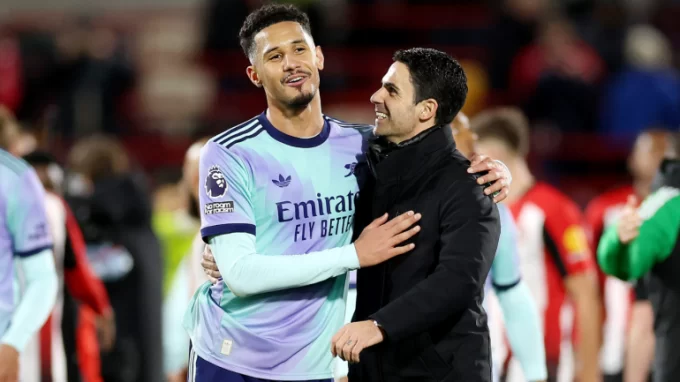
William Saliba: Arsenal’s Silent Architect or Its Greatest Gamble?
The air inside the Emirates shifts with unspoken tension—William Saliba, once a...
 Joseph Bennett2 Mins read
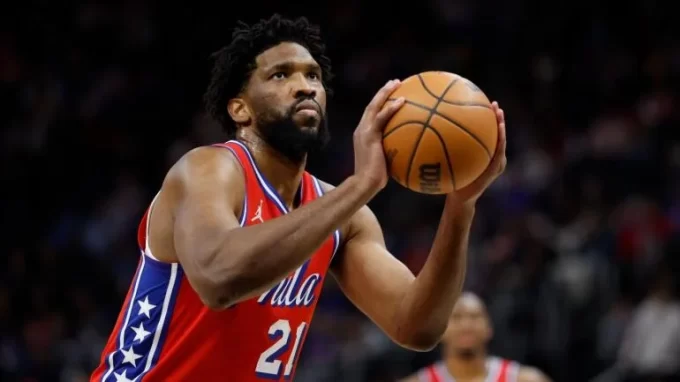
Joel Embiid’s Quiet Confidence: Is the 76ers’ Giant Ready to Rewrite His Story?
Joel Embiid is rarely one to make noise without purpose, and now,...
 Kirsten Collins1 Mins read
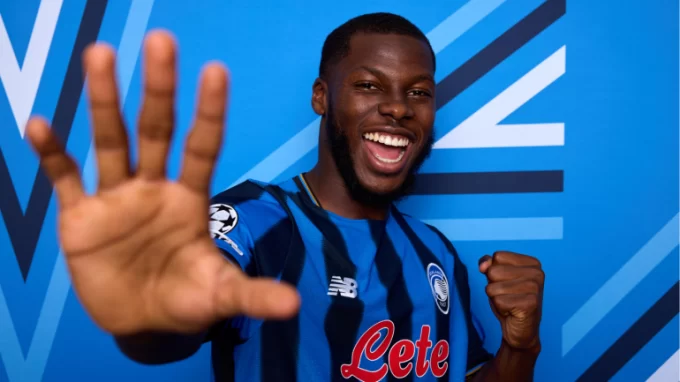
Juventus, Atalanta, and Arsenal’s Quiet Revolution: What’s Really Shaping This Week in Football?
The roar of Serie A stadiums masks a subtle shift, one that...
Kirsten Collins2 Mins read




Leave a comment