

The Last Line That Broke the Mold: Rodney Dangerfield’s Caddyshack Ad-Lib
Rodney Dangerfield’s iconic final line in Caddyshack wasn’t scripted—it was a spontaneous jab that somehow captured the entire film’s irreverent spirit. What does this unscripted moment reveal about comedy, legacy, and the art of the perfect exit?
 Kirsten CollinsJuly 25, 20251 Mins read26
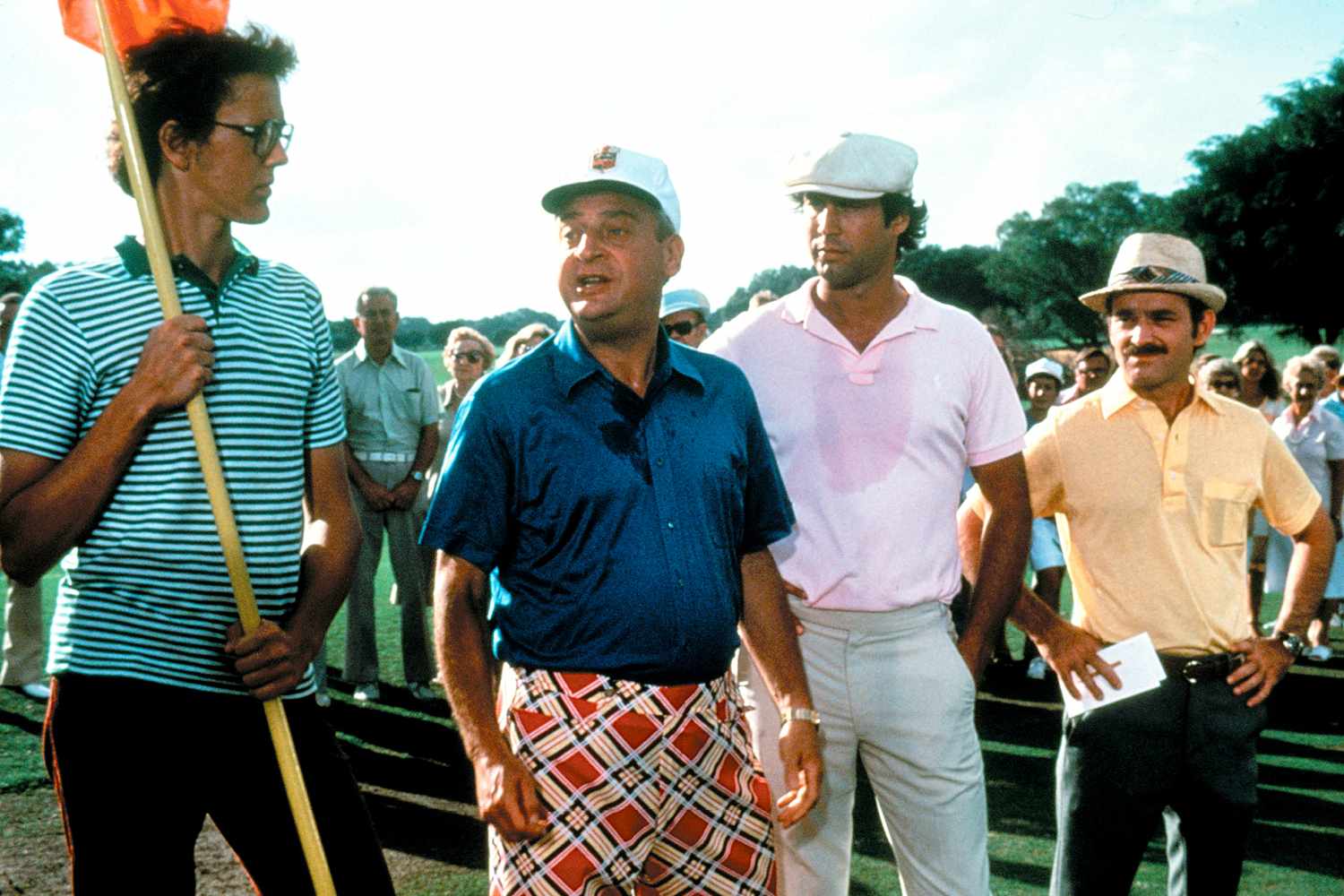
Orion Pictures/Courtesy Everett Collection
A comedy legend’s last words often linger long after the curtain falls. Rodney Dangerfield’s final line in Caddyshack—an off-the-cuff, razor-sharp ad-lib—did more than close a scene. It became a defining moment, an unexpected crescendo that echoed the film’s chaotic genius and Dangerfield’s raw wit. Was it luck, instinct, or something more elusive that turned a spur-of-the-moment joke into immortal cinema?
“I don’t get no respect,” Dangerfield’s catchphrase reverberates not only through the film but through the very DNA of comedy itself. Yet, this final zinger was never meant to be scripted. The magic was in its spontaneity—the kind that only a true master of timing could pull off.
When Spontaneity Steals the Scene
In the relentless grind of filmmaking, ad-libs can be a risk or a revelation. Dangerfield’s line shattered the expected, transforming a scripted ending into a living, breathing punchline that still lands decades later. It begs the question: How many cinematic masterpieces have been quietly shaped by moments the script never saw coming?
As Dangerfield once quipped, “You can’t script respect, but you sure can demand it with a laugh.” His impromptu delivery wasn’t just a joke—it was an assertion of identity, a final reminder that sometimes, the best art is born in rebellion against the plan.
Comedy’s Reckoning with Control
What does this tell us about the delicate dance between control and chaos in comedy? Films are meticulously planned, every word polished—yet the most memorable moments often arise from imperfection, from the actor’s bold choice to veer off the map. Dangerfield’s line is a small rebellion, a crack in the veneer that reveals the human heartbeat behind the spectacle.
Is it this tension—the push and pull between the scripted and the spontaneous—that gives comedy its timeless power? Or do we, as an audience, simply hunger for the unpredictable human moment, the one that reminds us that even legends are improvising beneath the spotlight?





Who Is Tom Homan? About Trump’s Border Czar Amid U.S. Deportations – Hollywood Life
Image Credit: Getty Images Thomas “Tom” Homan has emerged as one of...
Kirsten Collins2 Mins read
Budweiser, Guy Fieri & More Ads – Hollywood Life
View gallery Image Credit: Getty Images Believe it or not, but we...
Kirsten Collins2 Mins read
Watch Trailer, See Release Date, Cast & More – Hollywood Life
Image Credit: Getty Images for GQ Christopher Nolan is taking a crack...
Kirsten Collins2 Mins read
A Visual Memoir’ Redefines Sliving – Hollywood Life
The public thought it knew Paris Hilton through the lens of toxic...
Kirsten Collins1 Mins read


Leave a comment