

When a Teen Crash Rewired Roseanne’s Life
At 16, Roseanne Barr suffered a horrifying accident that reshaped her mind—and later ignited the defiant, boundary-breaking persona we know onscreen.
 Krista FreelandJune 23, 20252 Mins read15
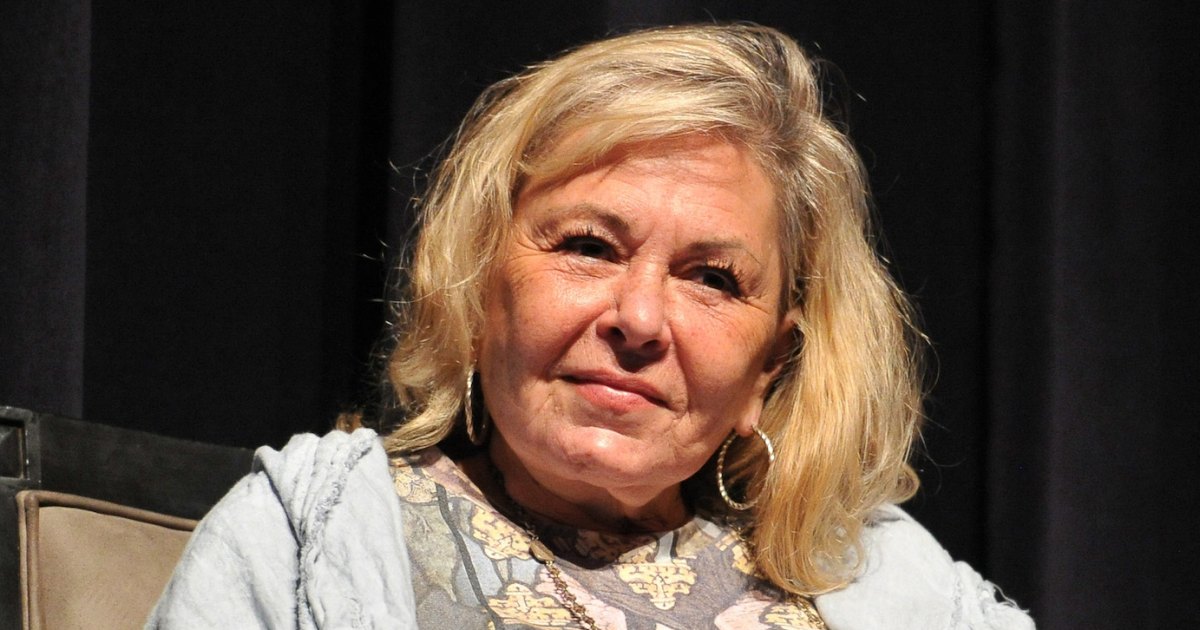
She was crossing the road when the hood ornament pierced her skull—and everything changed.
Roseanne Barr, the bold comic voice of American homes, wasn’t born from canned laughter. She was forged in the aftermath of a brutal car accident at age 16 in Salt Lake City. In her own words, the hood ornament “went right through [her] skull,” dragging her, fracturing bones and memory, and hurling her into a coma—an origin story more harrowing than any sitcom setup.
From hospital bed to hidden past: institutionalized for eight months in Utah State Hospital, Barr emerged not just scarred but fundamentally altered. Auditory hallucinations, convulsions, memory loss—purple badges of survival and transmutation.
When Trauma Spins Identity
That teenage collision didn’t just damage her body—it fractured her identity. Roseanne herself said she “went nuts”—a phrase that might sound casual until you consider the psychiatric ward, the eight-month stay, the slow relearning of life. It’s no wonder she later spoke of multiple personalities—Baby, Evangelina, Fucker—the fragments of a public self grappling with a private rupture.
And yet, out of that raw chaos came her voice: sharp, fearless, unfiltered. It propelled her from obscurity to the “Domestic Goddess” who could headline a prime-time show, win Emmy gold, and fracture TV norms with a voice no network had brewed. Was it strength—or a shield?
Comedy’s Edge, Trauma’s Echo
Her comedy wasn’t just observational—it roared at convention. But beneath the jokes lay an echo of that fateful day: the unmoored teenager, rediscovering speech, memory, identity. A Reddit poster recounted:
“The hood ornament went right through her skull… I died, and I came back changed”
That doubling—life, death, rebirth—imbued Barr’s persona with visceral vulnerability and explosive candor. Her later controversies—mental health disclosures, institutionalizations, outspoken politics—might be traced to an original fissure.
Her story forces us to ask: where does authenticity end and fracture begin? Is the Roseanne who cheered rebellion and insulted ideologies a woman shaped—or warped—by trauma? Can a brain rewired at 16 still anchor truth?
She picked herself up, wrote herself into our living rooms—and into national conversation. Now, decades later, we see that dramatic collision not as a footnote but as a crucible that forged her. So we pause before calling her shocking or outrageous: what if every outburst was another handshake with that day’s unspoken violence? And what uncharted territory lies still, beyond punch lines and persona whispers…








When Mercy Meets Tragedy: The Widow Who Forgave Her Husband’s Killer
The air thickens when forgiveness enters a room meant for grief. Imagine...
 Chris Marks1 Mins read

When Fear Became a Lifeline: Pete Davidson’s Reckoning in Rehab
There’s a silence that follows a mother’s voice when she confesses her...
 Joseph Bennett1 Mins read

Pete Davidson’s mom told him in rehab worst fear was learning he died
Pete Davidson is opening up about the heartbreaking moment he had with...
Chris Marks2 Mins read

Katie Couric’s Unexpected Spin on Sydney Sweeney’s American Eagle Ad: What’s Really Being Said?
Katie Couric stepping into a scene dominated by Gen Z glamour feels...
Krista Freeland2 Mins read




Leave a comment