

The Shot That Echoes: Why “Rust” Refuses to Die
The director of Rust breaks his silence—but silence may have been the loudest choice. As the film heads to theaters, the ghost of Halyna Hutchins haunts every frame
 Chris MarksMay 1, 20252 Mins read28
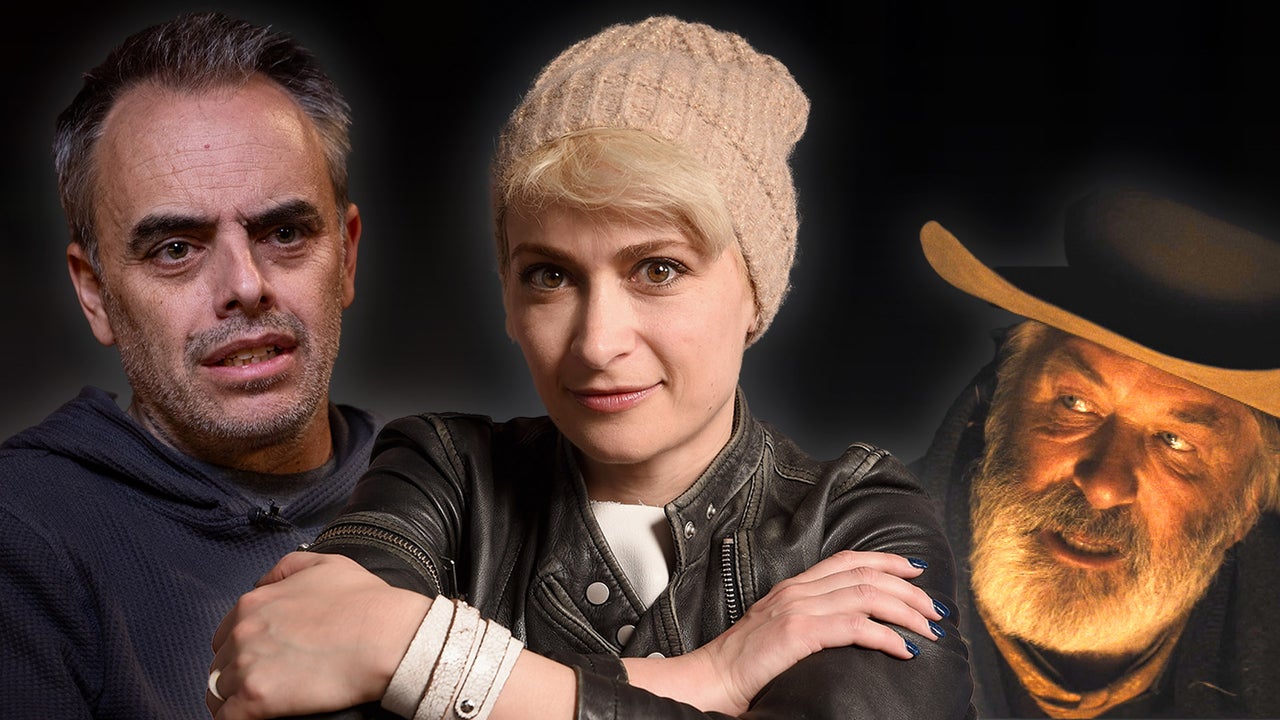
They say a film is immortal. But what happens when a film is born of death?
The theater lights will dim, and Rust—a modest Western-turned-notorious media spectacle—will flicker to life. But no amount of directorial intention or cinematic framing will erase what happened on that New Mexico set. “I’ll live with this forever,” director Joel Souza says, in a tone that sits somewhere between confession and curse. And yet, he finished the film. Why? The answer isn’t clear. Perhaps it never can be.
This isn’t just a movie release. It’s a question mark dressed in cowboy boots and quiet guilt. Hutchins is dead. Baldwin is bruised by both the law and legacy. And Souza, the man behind the camera, stands with his hands metaphorically up, shadowed by a story that no premiere can redeem.
Art That Hurts to Watch
There’s a theory in cinema that what happens off-screen matters more than what’s in the frame. With Rust, it’s almost unbearable. Each scene becomes a relic, a relic not just of fiction but of something brutally real. A film is a product of its making, and Rust—for all its dust-blown shots and brooding silences—carries the weight of something irreversible.
And then comes the cruel irony: the footage Halyna Hutchins died filming is now part of the final cut.
Souza claims the decision to complete the film came from a place of honoring her vision. “She believed in this story,” he says, but belief and blood are hard to reconcile on screen. What do we do with a film like this? Watch it? Boycott it? Mourn it? The usual rules of art consumption collapse under the heaviness of actual loss.
The Cinema of Consequence
Hollywood has never been short on tragedy. But Rust is different—it didn’t just metaphorically kill. It did so literally, on camera-adjacent. And yet, the show goes on. Not because of defiance, but inertia. The film exists now as a living contradiction: a tribute wrapped in trauma.
What does it mean when tragedy becomes marketable? When the red carpet rolls out over the outline of a body? The film’s release isn’t a victory. It’s a reckoning. With craft, with capitalism, with the cinematic myth that the camera is always safe.
Souza’s regret feels genuine. But no quote, no regret, no resolution can explain why we’re all still watching.
Maybe that’s the point.





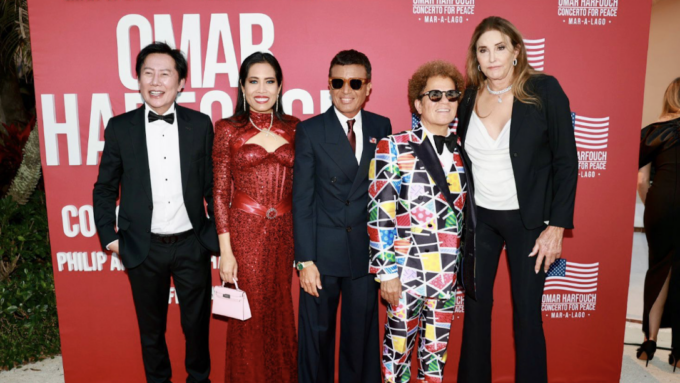
Pianist Omar Harfouch Brings Celebrated Figures Together for a Night of Cultural Exchange – Hollywood Life
Image Credit: Omar Harfouch On February 20, 2026, pianist and cultural figure...
 Kirsten Collins2 Mins read
How Much Money Does She Have Now? – Hollywood Life
Image Credit: WWD via Getty Images Rihanna may be known as one...
Kirsten Collins2 Mins read
Stars Who Slammed ‘Love Story: JFK Jr. & Carolyn Bessette’: Statements – Hollywood Life
Image Credit: Getty Images FX’s Love Story: John F. Kennedy Jr. and...
Kirsten Collins2 Mins read
Find Out Release Date, Cast, Plot Details & More – Hollywood Life
Image Credit: Courtesy of Amazon Freevee After its breakout first season, Jury...
Kirsten Collins2 Mins read





Leave a comment