

Deadpool’s Tribute to John Candy: More Than a Comic Easter Egg
From tributes hidden in paperbacks to silent echoes in tense scenes, Ryan Reynolds layers his Deadpool films with clever nods to John Candy—insisting his hero’s influence lingers, even when the popcorn stops popping.
 Joseph BennettSeptember 5, 20251 Mins read11
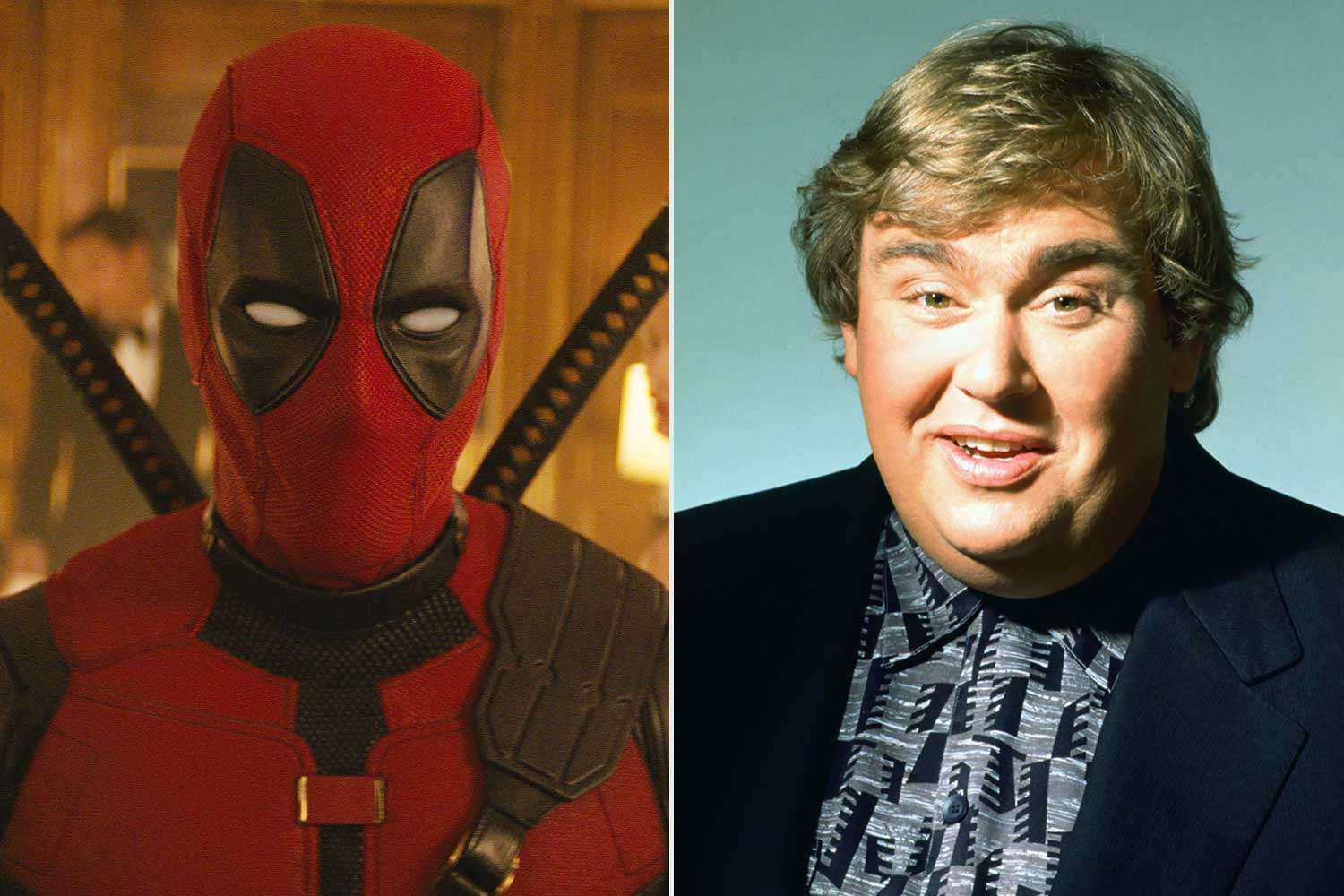
20th Century Studios/MARVEL; Harry Langdon/Getty
You lean in, scanning the screen—and there it is: a battered paperback winking from Deadpool’s armrest. It’s not superhero lore; it’s The Canadian Mounted, the soft‑porn paperback Del Griffith clutches in Planes, Trains and Automobiles. Ryan Reynolds has tucked this gem into every Deadpool film, whispering devotion to John Candy with quiet insistence. What does it mean when homage becomes your vinyl record, the needle forever at the start?
For Reynolds, this is no joke. He sees Wade Wilson as “a blend between Neal Page and Del Griffith,” merging Steve Martin’s exasperated pragmatism with Candy’s wounded generosity—except Wade knows exactly which lever to flip and when. There’s little belles lettres in the suggestion, only the resonance of comic souls speaking across decades.
When the Joke Holds the Pain
There’s method in that madness: Reynolds recalls how Candy’s characters inspired his own defense of vulnerability, rooted in watching over his older brother. He carries that care into his work, even if no one ever sees the paperback—because it’s not about showing, but feeling. “I had it remade for Deadpool,” he admits, licensing the prop—$5,000 down each time—then planting it in frame like a ghost.
Stories Woven Underneath Masks
These Easter eggs don’t exist in isolation. In Deadpool & Wolverine, the payoff lands in a cracked-up Honda and a graveside tombstone echoing the odd‑couple dynamic of Candy and Martin—two lost souls finding fury and tenderness in equal parts. A Reddit viewer spots it vividly: “Wolverine/Del puts on a brave face… Deadpool/Neal invites him into his home.” Comedy becomes compassion—and a cloak.
Beneath the zingers and gore, that paperback anchors the films in a stranger truth: homage isn’t just pastiche—it’s prayer. And when the credits roll, you realize the tribute isn’t asking to be seen—it’s asking to be felt.






Who’s Going to the Super Bowl 2026? Updates on the Teams – Hollywood Life
Image Credit: Getty Images Super Bowl 60 is approaching fast, and football...
 Kirsten Collins1 Mins read

When Are the 2026 Winter Olympics? Date of the Games – Hollywood Life
Image Credit: Getty Images The world’s top winter athletes are preparing for...
Kirsten Collins2 Mins read
Is Jamal Roberts Married? Find Out if ‘Idol’ Winner Has a Wife – Hollywood Life
Image Credit: Disney Jamal Roberts made American Idol history by becoming the...
Kirsten Collins2 Mins read
Release Date & More of Margot Robbie Movie – Hollywood Life
Image Credit: Warner Bros. Pictures This isn’t your English class’ reading assignment....
Kirsten Collins2 Mins read





Leave a comment