

Billy Joel’s Piano Lesson That Went Too Far
In a new HBO documentary, Billy Joel recounts the moment his father knocked him out for playing Beethoven "incorrectly"—a shocking childhood memory that reframes everything we thought we knew about the Piano Man.
 Kirsten CollinsJuly 23, 20251 Mins read12
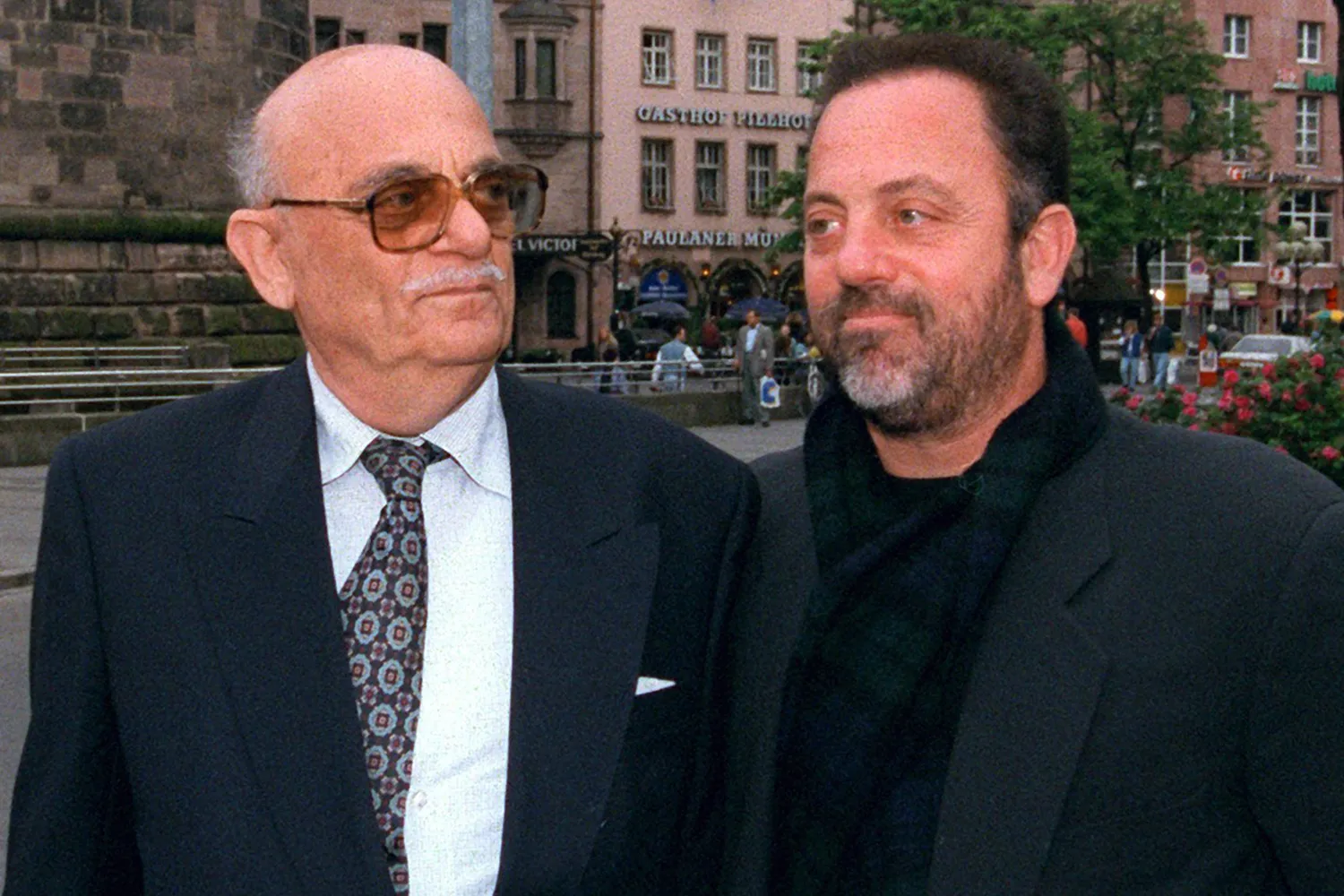
At eight years old, Billy Joel sat at the piano, fingers dancing over Beethoven’s Moonlight Sonata with a wild, rock‑tinged twist—and was met with a blow so hard he blacked out. It wasn’t rebellion; it was a cry for expression that nearly cost him consciousness.
That moment, chronicled in Billy Joel: And So It Goes, wasn’t just a childhood scar—it was the first spark in a lifelong rebellion against authority, structure, and restraint in his music.
When Genius Clashes with Discipline
Billy’s father, Howard, a rigid classical devotee, expected precision. His frustration culminated in a violent reaction to Billy’s rock-tinged interpretation. The blow, he recalls, knocked him “unconscious for like a minute.” But rather than silence, it heralded a rupture—one that would define his artistic identity.
This confrontation wasn’t only about notes played wrong—it was a fundamental clash between two musical worlds: the structured discipline of Beethoven, and the untamed soul of rock & roll.
Fractured Home, Forged Identity
Growing up, Billy navigated a tense household, marked by an unhappy marriage, emotional volatility, and eventual divorce. His sister Judy described their mother as “loving but troubled,” suggesting that for Billy, home was both refuge and battleground. The divorce, he later admitted, was a relief—a release from emotional tension that shadowed his early years.
His real refuge came from his maternal grandfather, who nurtured his unstructured love for music and offered the emotional stability his father could not.
Those formative blows and broken rhythms shaped the man who penned Piano Man—a song about imperfect souls cradled in imperfect places. His career, boxer-tinged toughness, and self-taught resilience all echo that moment of resistance.
Maybe that childhood shock was less physical than existential—a painful point where he chose his own rhythm over someone else’s. Could it be that every time Billy sat at a piano after that, he was playing not just melodies, but his own destiny?






When Mercy Meets Tragedy: The Widow Who Forgave Her Husband’s Killer
The air thickens when forgiveness enters a room meant for grief. Imagine...
 Chris Marks1 Mins read

When Fear Became a Lifeline: Pete Davidson’s Reckoning in Rehab
There’s a silence that follows a mother’s voice when she confesses her...
 Joseph Bennett1 Mins read

Pete Davidson’s mom told him in rehab worst fear was learning he died
Pete Davidson is opening up about the heartbreaking moment he had with...
Chris Marks2 Mins read

Katie Couric’s Unexpected Spin on Sydney Sweeney’s American Eagle Ad: What’s Really Being Said?
Katie Couric stepping into a scene dominated by Gen Z glamour feels...
 Krista Freeland2 Mins read




Leave a comment