

The Smashing Machine: When The Rock Decodes the Humanity Behind the Gloves
In The Smashing Machine, Dwayne Johnson shatters his invincible image to embody MMA champion Mark Kerr, transforming not just for the role but into it—a journey that charges the film with gritty empathy and uncanny truth.
 Chris MarksSeptember 8, 20251 Mins read17
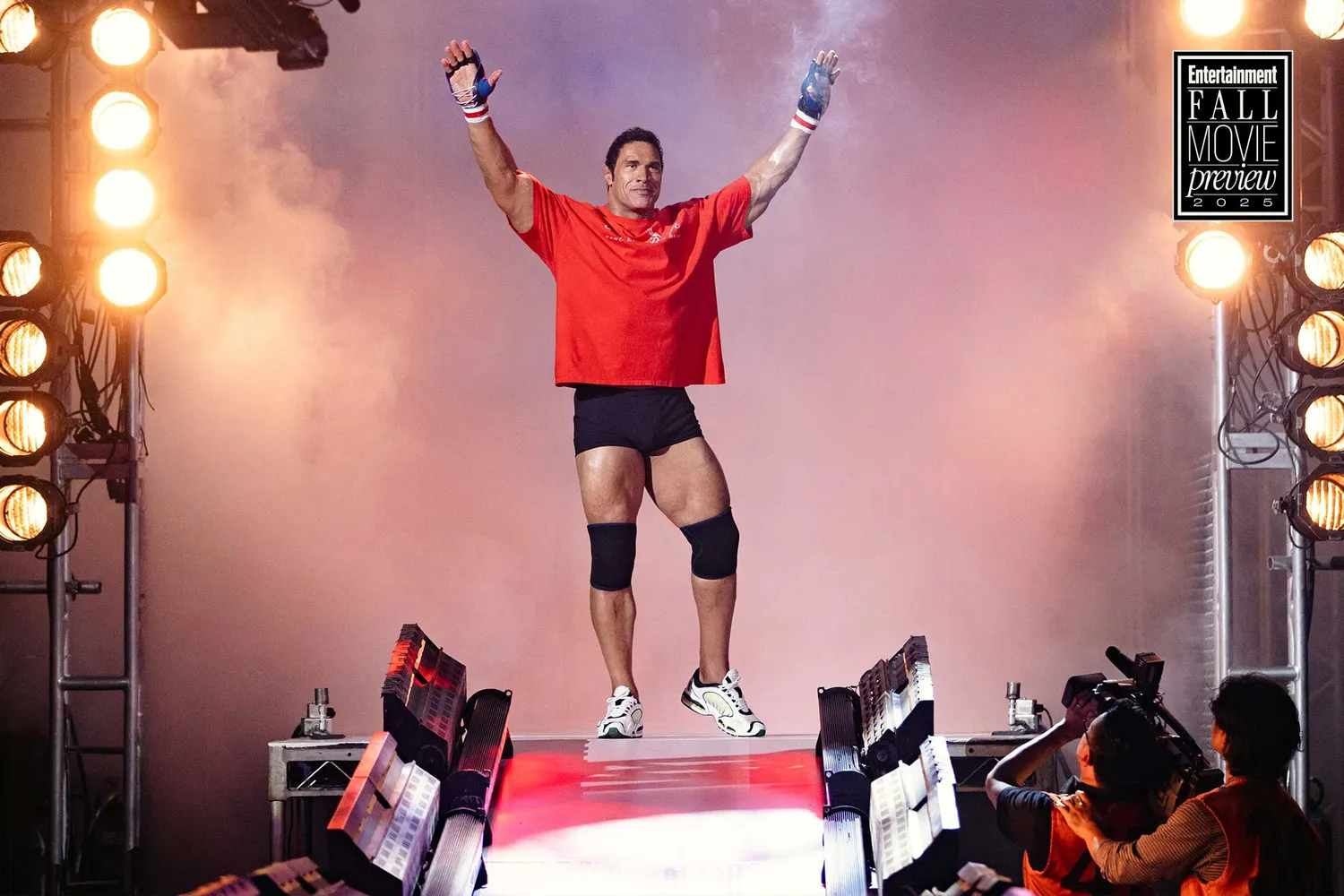
A ring, heavy with tension—not just physical, but emotional—where Dwayne Johnson, unrecognizable, stands both fighter and confession. The premiere of The Smashing Machine wasn’t just a debut—it was a reckoning. The audience erupted in a 15‑minute ovation, tears glistening in more eyes than one would expect from a biopic about a man’s violent past. That embrace wasn’t about spectacle, but surrender.
We’re not applauding a blockbuster star. We’re witnessing a man expose his shadow.
When Muscle Becomes Vulnerability
Johnson didn’t merely don a costume—he dissolved into Mark Kerr. Four-hour prosthetic sessions unraveled the Rock’s iconic shape; makeup not to disguise, but to deconstruct. Emily Blunt admitted she didn’t recognize him. This was not vanity lost—it was something far more daring. A transformation so full that it stripped away preconceptions and laid rawness bare.
Inside that shell beats a heart that hurts, that still loves and still seeks redemption.
Cinema That Catches the Breath
Under Benny Safdie’s gaze, the film breathes like an underdog’s soul. Guerrilla cinematography sheds cinematic illusion: no dramatic lighting, no coverage safety nets—only real-time proximity. Safdie aimed for radical empathy, trusting the audience not just to watch, but become. A24’s stamp isn’t just about indie cred—it’s about daring authenticity.
This is not hero worship—it is full-body empathy.
Here’s what lingers: what happens when the strongest person in the room quietly reveals he’s vulnerable? A biopic becomes a reckoning—and you, the viewer, become the witness.
Pointing to the spotlight can feel easy. But what if that light is not for what’s seen, but for what remains unseen—until someone finally dares to show it?







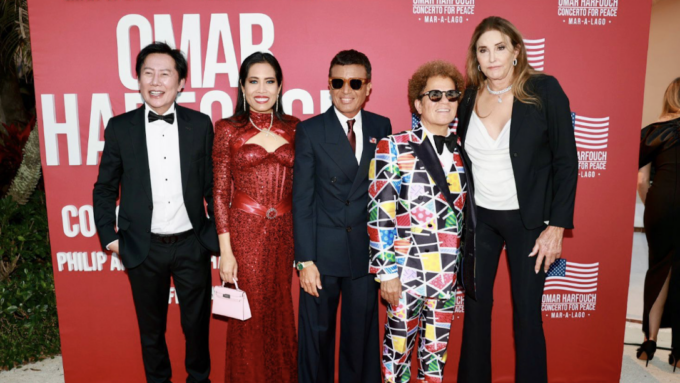
Pianist Omar Harfouch Brings Celebrated Figures Together for a Night of Cultural Exchange – Hollywood Life
Image Credit: Omar Harfouch On February 20, 2026, pianist and cultural figure...
 Kirsten Collins2 Mins read
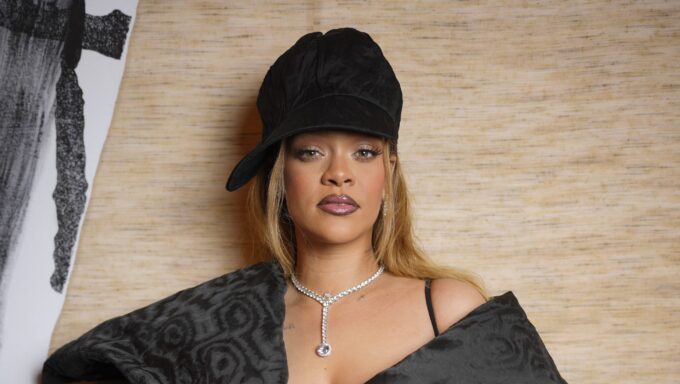
Who Is Ivana Lisette Ortiz? About the Rihanna Home Shooting Suspect – Hollywood Life
Image Credit: WWD via Getty Images The suspect in the March 8,...
Kirsten Collins1 Mins read
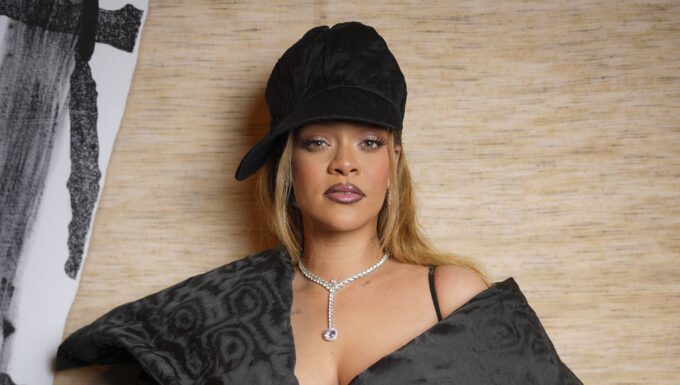
How Much Money Does She Have Now? – Hollywood Life
Image Credit: WWD via Getty Images Rihanna may be known as one...
Kirsten Collins2 Mins read
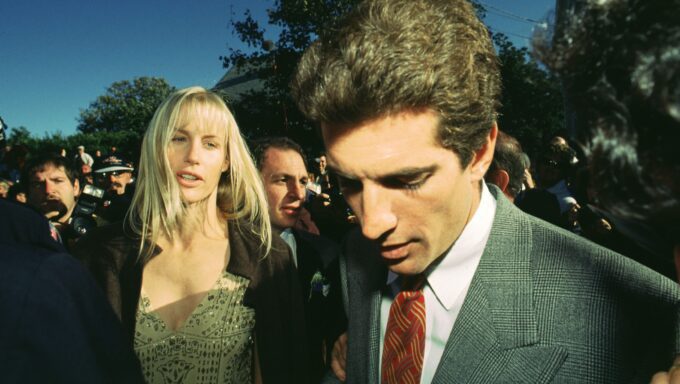
Stars Who Slammed ‘Love Story: JFK Jr. & Carolyn Bessette’: Statements – Hollywood Life
Image Credit: Getty Images FX’s Love Story: John F. Kennedy Jr. and...
Kirsten Collins2 Mins read





Leave a comment