

When Jerseys Speak Louder Than the Game: The NBA’s Best Uniforms Unraveled
From 90s maximalism to city editions dripping with cultural pride, the NBA’s uniforms are more than fabric—they’re bold statements. But what do these designs really say about the teams wearing them, and why does style still steal the spotlight?
 Kirsten CollinsSeptember 16, 20252 Mins read18
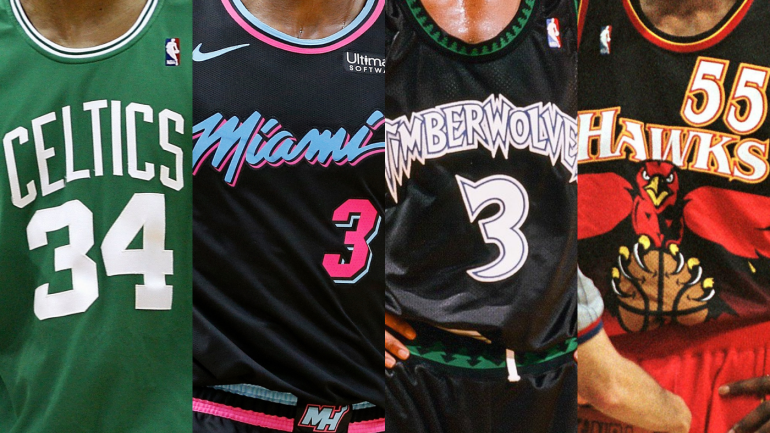
There’s a moment every time a player steps onto the court—when the crowd’s eyes drift from the scoreboard to the canvas they wear. The NBA’s uniforms aren’t just about teams or colors; they are a language, loud and unruly, whispering secrets about identity, rebellion, and nostalgia. But why is it that sometimes the jersey tells a story louder than the final buzzer? And what does this obsession with ‘best uniforms’ reveal about basketball’s relationship with fashion, culture, and legacy?
The 90s ushered in an era of maximalism where every jersey screamed: more is more. Neon flashes, jagged edges, wild fonts—a visual cacophony that today’s sleek designs sometimes struggle to replicate. Could it be that beneath the polished surfaces, there’s an untamed hunger for audacity that modern uniforms barely touch? These aren’t mere kits; they are relics of an attitude that refused to play it safe.
When Style Becomes a Cultural Statement
City editions exploded onto the scene like cultural declarations wrapped in polyester. They’re more than alternative looks—they’re love letters to neighborhoods, histories, and stories often sidelined by mainstream sports narratives. The Memphis Grizzlies’ “FedExForum Fire” and the Miami Heat’s homage to Cuban culture are not just aesthetic; they provoke a question: can a uniform truly capture a city’s soul? And if it can, what happens when that soul shifts with changing times?
One designer confided, “A uniform has to walk a razor’s edge between past and present—it’s a living symbol.” This balancing act sometimes turns jerseys into battlegrounds for identity, sparking debates not only about taste but authenticity. Who decides which uniform becomes ‘iconic’? And why do some designs endure, while others fade into forgotten racks?
Beyond the Court: The Uniform as a Power Move
In an age where athletes are style icons off the court, uniforms are no longer just functional gear—they’re strategic branding tools. The uniform can elevate, intimidate, even rewrite history. It can signal a franchise’s ambitions or cling desperately to its nostalgia. Yet, with every fresh redesign, one wonders: are teams chasing relevance, or merely dressing the past in new threads?
The Lakers’ purple and gold aren’t just colors—they’re a dynasty’s imprint. But even dynasties can struggle with reinvention. When does homage become stagnation? And what happens to a team’s spirit when its uniform becomes a costume rather than a standard?
The obsession with NBA uniforms isn’t superficial; it’s a mirror held up to the league’s evolving identity. Whether drenched in 90s excess or cloaked in the sleek minimalism of today, each jersey asks the same question: Who are we, really? And in answering, are we celebrating greatness or simply dressing for a photo?
The final whistle hasn’t blown on this conversation. The next uniform drop will whisper new truths—or maybe stir old ghosts. And that, perhaps, is where the real game begins.






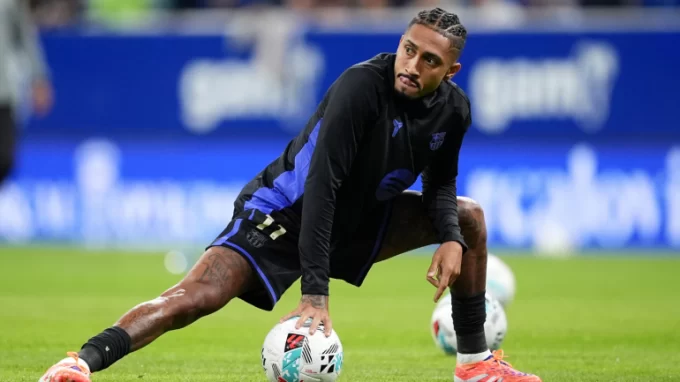
Barcelona’s Fragile Pursuit: When Injuries Threaten More Than Just a Season
A silence spreads over Camp Nou that no roar can drown out—two...
 Chris Marks2 Mins read

William Saliba: Arsenal’s Silent Architect or Its Greatest Gamble?
The air inside the Emirates shifts with unspoken tension—William Saliba, once a...
 Joseph Bennett2 Mins read
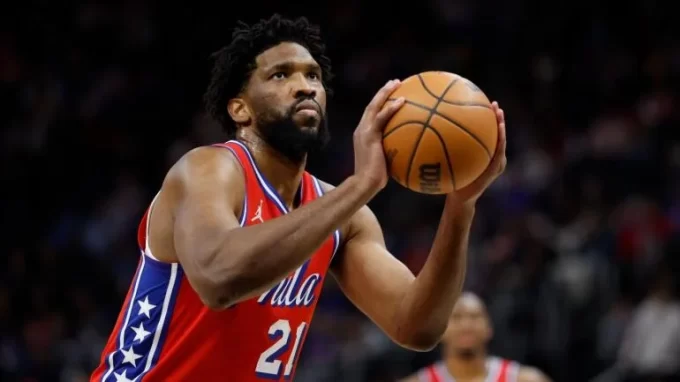
Joel Embiid’s Quiet Confidence: Is the 76ers’ Giant Ready to Rewrite His Story?
Joel Embiid is rarely one to make noise without purpose, and now,...
Kirsten Collins1 Mins read
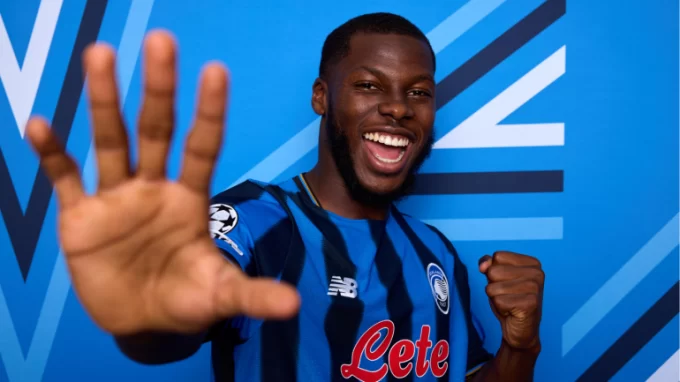
Juventus, Atalanta, and Arsenal’s Quiet Revolution: What’s Really Shaping This Week in Football?
The roar of Serie A stadiums masks a subtle shift, one that...
Kirsten Collins2 Mins read





Leave a comment