

Negative Yardage and Viral Smirks: When Football’s Finest Become the Preseason Punchline
As Raiders’ RB Ashton Jeanty stumbled into a debut marked by negative yards, the Seahawks seized the moment with a savage social media roast—raising questions about the fragile dance between performance, online spectacle, and athlete identity.
 Kirsten CollinsAugust 8, 20252 Mins read13
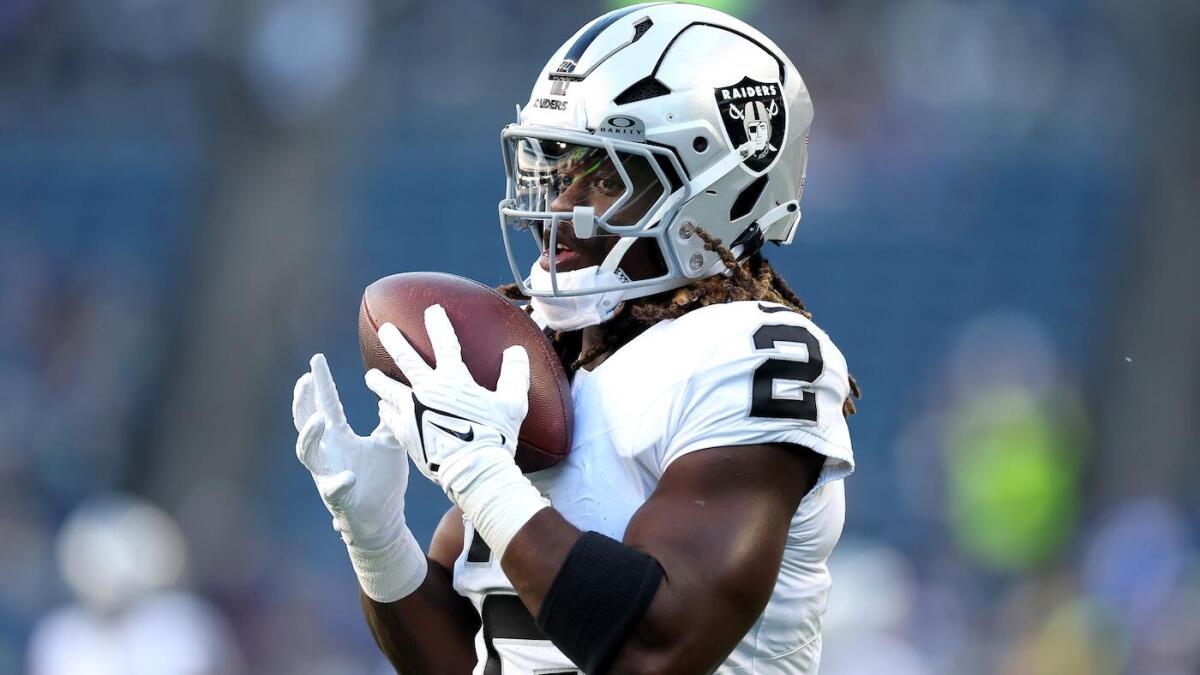
The moment Ashton Jeanty crossed the line of scrimmage, only to be shoved backwards into the shadow of negative yardage, something more than a statistic was playing out. It was a carefully choreographed spectacle of expectation, failure, and merciless online mockery—an instant tattoo on the fragile ego of modern athletes. When the Seattle Seahawks jumped in with a cutting troll, the football field wasn’t just a place for sport anymore; it was a battleground for social currency, where dignity could be shredded in a single tweet.
Jeanty’s stumble wasn’t just a lapse in athletic prowess—it was a flashpoint for an industry obsessed with the highlight reel and the meme-worthy misstep. His preseason debut, meant to whisper potential and grit, instead screamed impermanence and vulnerability. The cruel humor of the Seahawks’ jab reminded the world that in today’s hyperconnected arena, the game’s outcome is often less about yards gained and more about the viral impressions won or lost.
When the Scoreboard Meets the Timeline
The Raiders’ rookie was caught in a liminal moment where raw talent meets ruthless digital judgment. Preseason is usually the playground for hopefuls to prove themselves away from the spotlight’s harsh glare. Yet, Jeanty’s backward rush quickly became fodder for public consumption, a reminder that no margin exists for quiet growth in an era that demands instant triumph or public humiliation. As one commentator dryly observed, “It’s less about the game now and more about who can survive the internet’s relentless eye.”
The Seahawks’ playful yet biting taunt wasn’t merely a jab at a single play but a cultural statement on how sportsmanship and social media aggression are dangerously entwined. It begs a question: is this the new game within the game, where teams weaponize wit as much as tackles? And more hauntingly, how does this digital theatre affect the athletes behind the helmets, already vulnerable under the weight of expectation?
The Thin Line Between Performance and Persona
Football has always been a theater of toughness, but today’s players also play the role of social media gladiators. Jeanty’s negative yardage run was not just an isolated failure; it became a defining moment in his digital persona, shaped as much by tweets and memes as by coaches and scouts. The Seahawks’ troll was a reminder that every play can ripple far beyond the field, sometimes overshadowing the slow, painstaking work behind the scenes.
What does it mean when an athlete’s identity is partly constructed by a viral punchline? How does this alter the narrative of potential and promise? These questions linger uncomfortably as the preseason circus churns forward, where rookie mistakes become public trials and social media snark morphs into a weapon of mass distraction.
“Talent needs time, but in the age of instant, time is a luxury rarely afforded,” a former player reflected, a note of melancholy threading through his words. It’s a reminder that the true game isn’t just about yards gained or lost, but about the humanity struggling to survive under the floodlights of a digital coliseum.
Jeanty’s rush backward was more than just a lost yard. It was a slip into the collective gaze—quick, unrelenting, and impossible to forget. The Seahawks’ grin in cyberspace was sharp, yes, but beneath that smirk lies a question as old as the game itself: How long can anyone truly outrun their own shadow?




Barcelona’s Fragile Pursuit: When Injuries Threaten More Than Just a Season
A silence spreads over Camp Nou that no roar can drown out—two...
 Chris Marks2 Mins read
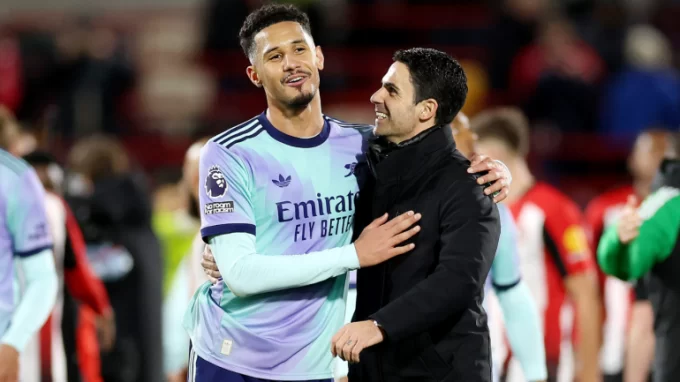
William Saliba: Arsenal’s Silent Architect or Its Greatest Gamble?
The air inside the Emirates shifts with unspoken tension—William Saliba, once a...
 Joseph Bennett2 Mins read
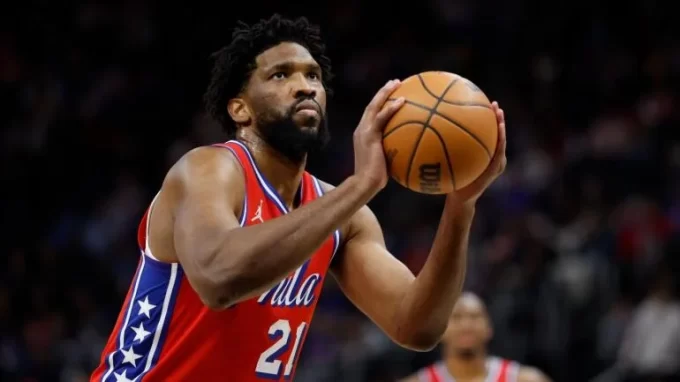
Joel Embiid’s Quiet Confidence: Is the 76ers’ Giant Ready to Rewrite His Story?
Joel Embiid is rarely one to make noise without purpose, and now,...
Kirsten Collins1 Mins read
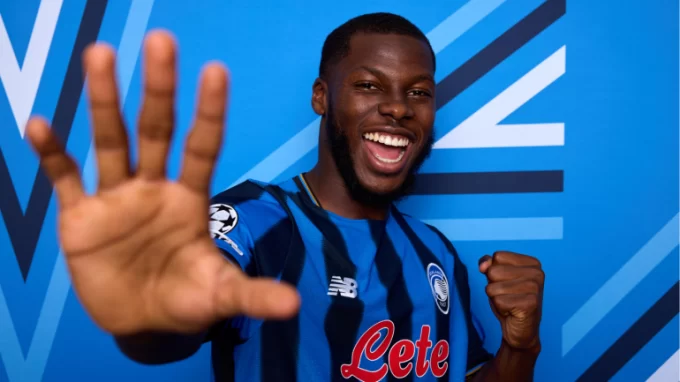
Juventus, Atalanta, and Arsenal’s Quiet Revolution: What’s Really Shaping This Week in Football?
The roar of Serie A stadiums masks a subtle shift, one that...
Kirsten Collins2 Mins read





Leave a comment