

Echoes of Power: Diddy’s Verdict and the After-Image It Leaves
Sean “Diddy” Combs walks out of the Manhattan courtroom cleared of sex trafficking and racketeering, yet tethered to guilt for prostitution—raising more questions than any headline could answer.
 Chris MarksJuly 2, 20251 Mins read13
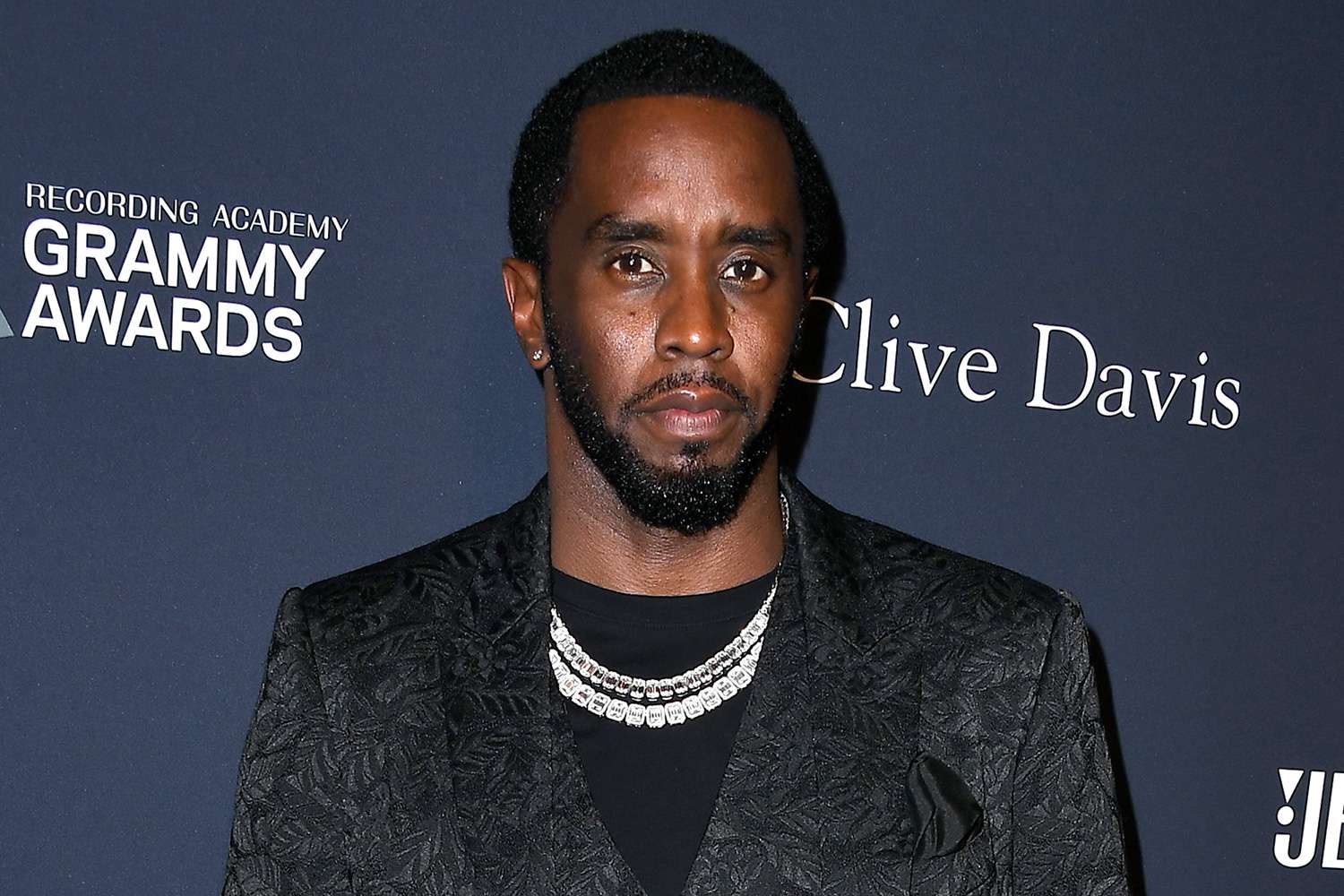
Steve Granitz/WireImage
A hush follows a gavel’s echo—Diddy is acquitted of the gravest charges, yet the weight of a conviction lingers in that carved silence.
The jury cleared him on racketeering and sex trafficking, but found him guilty on two counts of transporting women for prostitution. That contrast—freed from the machinery of criminal enterprise, bound by the Mann Act—feels deliberate. He kneels, makes a heart gesture, whispers “I’ll be home soon.” A hero’s return? Or a reckoning half-complete?
Scales of Judgment
Inside the courtroom, the narrative fractured. Cassie Ventura’s testimony was raw, image-probing; she spoke of violence, coercion, and the humiliation of the “freak-offs.” Yet jurors didn’t convict him on the sex trafficking counts. Prosecution painted a calculated empire of control—defense replied, it was private chaos, not criminal conspiracy. Ultimately, they found Diddy accountable for transportation, not coercion.
A former prosecutor called it unsurprising—proving force or fraud is a high legal bar. The legal distinction pulses: transporting consenting adults is punishable, manipulating them into sex trafficking demands proof of dominion. In this moment, the law says he didn’t fully cross that line—yet did cross another.
Gripped by the unknown, support and outrage erupted. Celebrities like 50 Cent cheered, Aubrey O’Day vomited with disgust; advocacy groups condemned a system “that fails survivors.” UltraViolet likened the verdict to “a stain” on justice, asserting that disbelief in women remains embedded. Meanwhile, Diddy’s family chanted “love, love, love.” In the courtroom, force met forgiveness, confusion met clarity—and the boundaries between public triumph and private harm blur.
The Verdict’s Shadow
Convicted but not entirely condemned, Diddy now faces up to twenty years—yet his public persona remains fracturing. A Netflix docuseries stews in the aftermath, his empire teeters, reputations realign. He may avoid a life sentence, but his legacy is diminished, complex, porous like spilled ink. What remains? Power? Reform? Reckoning?
He rises and steps from the courthouse—one foot in freedom, the other in accountability. We came for a verdict. We stay for the moral echo—because this story doesn’t end with “not guilty,” or with “guilty.” It concludes in the space between the two, where influence meets justice—and the question remains: when a man we believed untouchable is found both innocent and guilty, what do we truly hold him accountable for?






When Mercy Meets Tragedy: The Widow Who Forgave Her Husband’s Killer
The air thickens when forgiveness enters a room meant for grief. Imagine...
Chris Marks1 Mins read
When Fear Became a Lifeline: Pete Davidson’s Reckoning in Rehab
There’s a silence that follows a mother’s voice when she confesses her...
 Joseph Bennett1 Mins read
Pete Davidson’s mom told him in rehab worst fear was learning he died
Pete Davidson is opening up about the heartbreaking moment he had with...
Chris Marks2 Mins read

Katie Couric’s Unexpected Spin on Sydney Sweeney’s American Eagle Ad: What’s Really Being Said?
Katie Couric stepping into a scene dominated by Gen Z glamour feels...
 Krista Freeland2 Mins read




Leave a comment