

Jennifer Garner Remembers What Hollywood Forgot
While the industry trades sincerity for spectacle, Jennifer Garner quietly reminds us that the real power lies in chalk dust and childhood desks—and she’s not playing a role.
 Joseph BennettMay 7, 20252 Mins read32
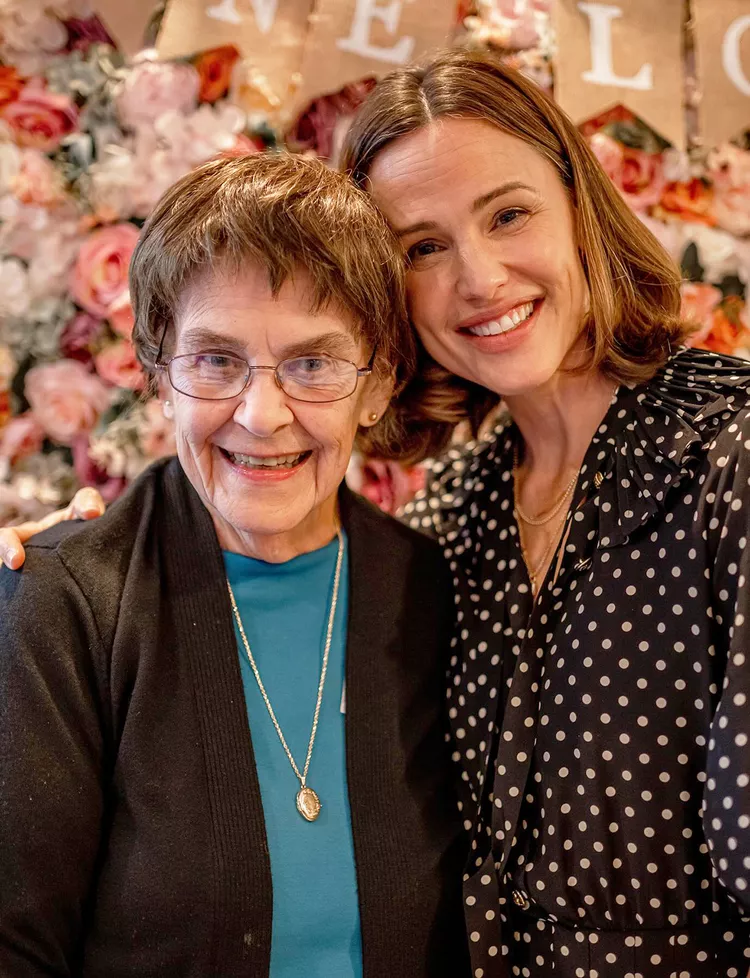
She didn’t thank an acting coach. Not a director, not an agent, not a media whisperer with perfect teeth and an even better Rolodex. Jennifer Garner walked onto the stage and named her childhood teachers—Mrs. Boles, Mrs. Beeson, Mrs. Tingle—as the women who shaped her soul. In an era where gratitude is curated and empathy comes with a hashtag, it felt startlingly off-script.
This wasn’t the teary Oscar podium routine. It was raw, rural, and rooted in something America rarely celebrates anymore: ordinary excellence. The kind that shows up early, sharpens pencils, and sees potential in kids who don’t yet believe in mirrors. Garner, the daughter of West Virginia soil and sincerity, didn’t just thank teachers—she whispered their names like spells.
The Applause They’ll Never Hear
What makes her moment so radical isn’t the nostalgia—it’s the dissonance. Hollywood praises trailblazers, disruptors, moguls in stilettos. But fourth-grade teachers in midwestern gymnasiums? They don’t trend. They don’t dine at San Vicente Bungalows. And yet, there she was, disrupting the narrative by honoring the people who taught her how to read, write, and most dangerously of all—think.
“Teachers see the whole of you before you can see it yourself,” she said, her voice quiet but clear, a line too genuine for a script. Garner isn’t naïve—she knows the entertainment machine. She’s worked its gears. But there’s something defiant in the way she keeps returning to humility as if it’s an act of rebellion. In a town addicted to reinvention, she chooses to remember.
A Taboo Named Integrity
Garner didn’t just shine a light—she made you look where you’ve trained yourself not to. The timing, too, was inconveniently perfect: teacher strikes erupting across the country, education budgets dissolving, the classroom’s cultural value plummeting like yesterday’s box office numbers. And yet, here comes a star with enough bankability to ignore the noise—and instead, use her spotlight for something that doesn’t sparkle.
It makes you wonder: if gratitude is truly radical now, what does that say about us? What does it cost a celebrity to remember their roots—not in the manicured way, but in the messy, meaningful way that implicates a system? Garner’s tribute wasn’t political, but it was piercing. It suggests we’ve forgotten the architecture of our own minds, the people who once dared us to raise our hands and speak.
—
She named her teachers without irony. Without filters. Just the names. Like a prayer, or a warning. And maybe that’s the lesson beneath the lesson—that sometimes, the most subversive thing you can do is remember where you came from.
What would happen if more people in power did?





When Mercy Meets Tragedy: The Widow Who Forgave Her Husband’s Killer
The air thickens when forgiveness enters a room meant for grief. Imagine...
 Chris Marks1 Mins read

When Fear Became a Lifeline: Pete Davidson’s Reckoning in Rehab
There’s a silence that follows a mother’s voice when she confesses her...
Joseph Bennett1 Mins read
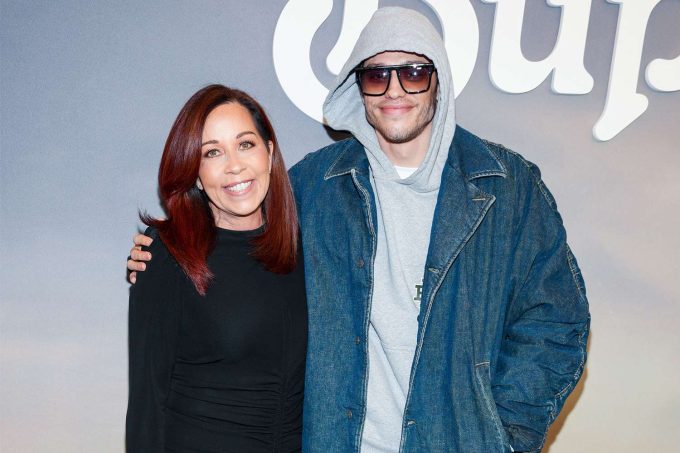
Pete Davidson’s mom told him in rehab worst fear was learning he died
Pete Davidson is opening up about the heartbreaking moment he had with...
Chris Marks2 Mins read

Katie Couric’s Unexpected Spin on Sydney Sweeney’s American Eagle Ad: What’s Really Being Said?
Katie Couric stepping into a scene dominated by Gen Z glamour feels...
 Krista Freeland2 Mins read





Leave a comment