

Channing Tatum’s Roofman: A Jailbird’s Hideout or Heartfelt Gamble?
In Roofman, Channing Tatum transforms from action icon to pawnshop poetic, drilling through roofs and hearts. But beneath the daring premise—is this a spiritual journey or cinematic gimmick?
 Kirsten CollinsJune 24, 20251 Mins read15
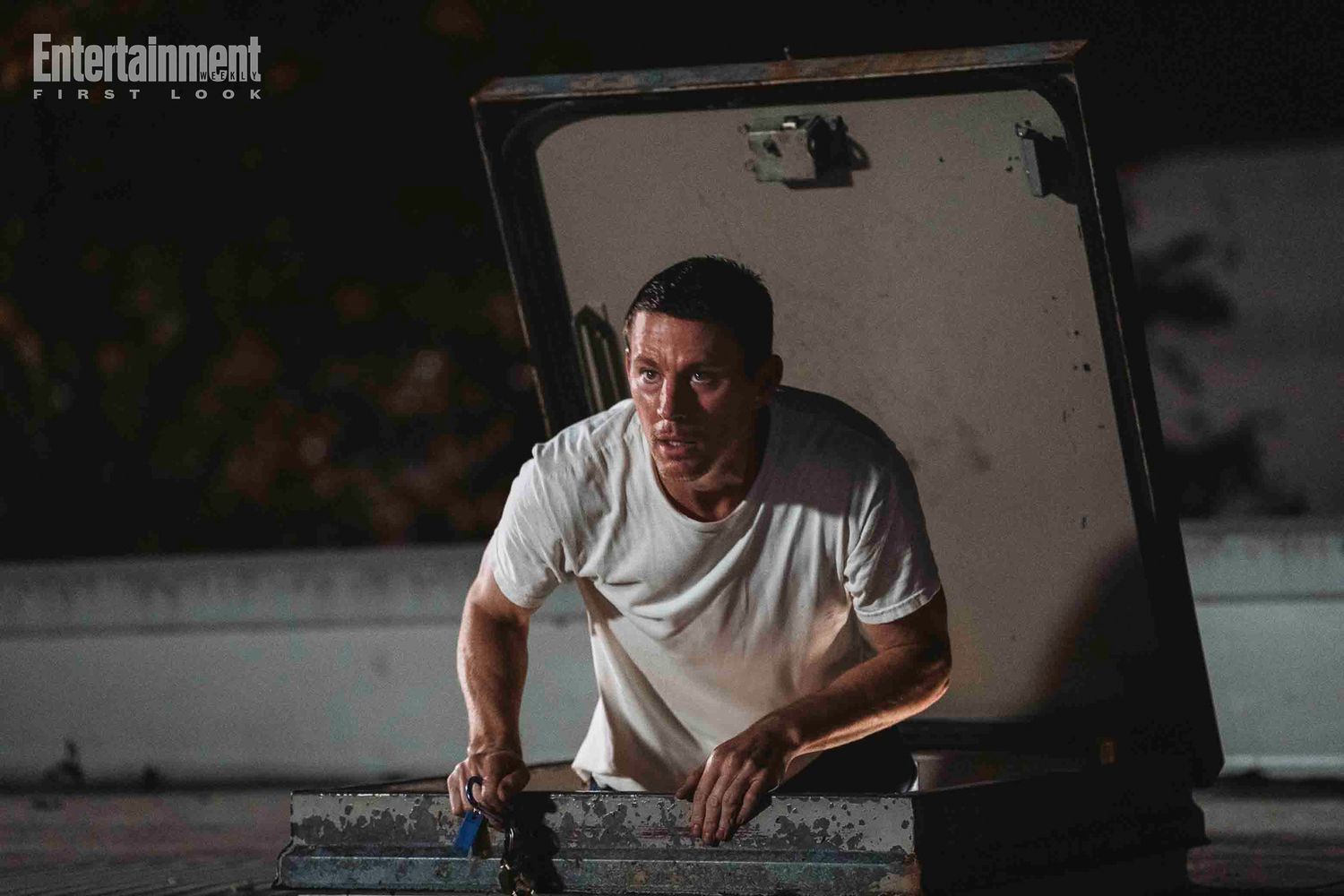
Davi Russo/Paramount
Tatum emerges from a crawl space above a Toys “R” Us—draped in dust and defiance—as he surveys the toy-laden expanse like some fallen angel in a palace of plastic. Roofman, inspired by the real-life felon Jeffrey Manchester, isn’t your typical crime flick—it’s an emotional excavation, a “spiritual marathon,” as Tatum describes it.
He’s disrobed from the cape of blockbuster swagger and reassembled in the raw shrubs of indie truth. Every creak of shingle and tumble through ceiling boards becomes a confession of menace and redemption, choreographed by Derek Cianfrance’s appetite for imperfection. Tatum said, “Every scene was very, very, very important”—and it shows.
Living in a Toybox of Consequence
Inside the toy store, Tatum’s Manchester becomes a nocturnal child of circumstance: riding bikes, devouring baby food, hiding in walls. His innocence is both disarming and disconcerting. He isn’t the cartoonish villain we expect, but a father lost in desperation—until Kirsten Dunst’s store employee enters, sparking a connection that illuminates and threatens to undo him .
The film’s tone becomes a gravity tug between play and peril—where laughter echoes in aisles as sharply as grief. The choice to shoot 360 degrees in a replica toy store only sharpens the claustrophobia and the loneliness, leaving us to wonder: who is truly imprisoned here?
The Weight of Authentic Imbalance
Tatum endured physical trials and director Cianfrance’s psychological trickery—falling through roofs, fumbling props, building real tension—not for spectacle, but to strip away artifice. It’s method acting elevated: shingle by shingle, scene by scene, he yanks the veneer of performance and leaves the audience to peer into the real man beneath.
But who benefits from this vulnerability? The man whose haunting phone calls punctuated the shoot? Or the actor desperate to shed his image? Cianfrance’s demand for authenticity might unsettle viewers more than the heist’s moral ambiguity.
The credits will roll this October, but Roofman won’t leave quietly. It asks: when does performance become confession? And if our idols crawl through ceilings to find truth—will we dare to step into their shadows, unguarded?






When Are the Oscars 2026? Date of the Academy Awards – Hollywood Life
Image Credit: AFP via Getty Images The Oscars are officially on the...
Kirsten Collins1 Mins read
Ticket Prices & Presale Details – Hollywood Life
View gallery Image Credit: Dave J. Hogan/Getty Images Harry Styles is embarking...
Kirsten Collins2 Mins read

Where Is Lawrence Jones on ‘Fox & Friends’? Health Update Amid Hiatus – Hollywood Life
Image Credit: Getty Images Fans of Lawrence Jones, a Fox & Friends...
Kirsten Collins1 Mins read

Who Is Lexi Minetree? 5 Things to Know About the ‘Elle’ Series Actress – Hollywood Life
View gallery Image Credit: Getty Images for Hello Sunshine Lexi Minetree plays...
Kirsten Collins2 Mins read





Leave a comment