

The Apology Heard in Silence: Shannon Sharpe’s Most Human Play
Shannon Sharpe, NFL Hall of Famer and broadcast titan, offered a public apology to his brother—yet it wasn’t the words that made headlines, but the quiet unraveling of a myth built on stoicism. What happens when men raised to be gladiators admit regret?
 Kirsten CollinsJuly 31, 20252 Mins read21
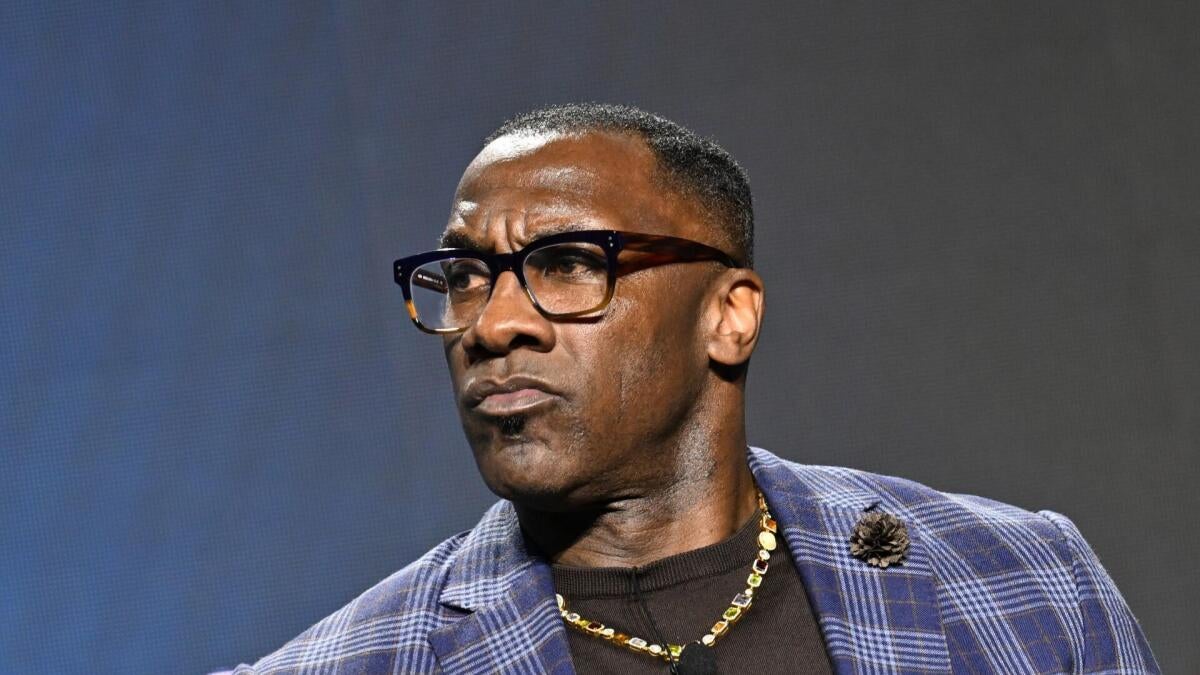
The silence hit harder than any linebacker ever could. When Shannon Sharpe sat down to publicly apologize to his brother Sterling—a fellow football legend whose career was cut short while Shannon’s ascended—he didn’t lead with bravado or polish. He didn’t perform. He paused. And in that pause, something deeper than sports was revealed: the quiet agony of years passed, chances missed, and the unbearable weight of brotherhood refracted through fame.
It was a rare act in American sports culture: a man who made his name on power and precision unraveling on air—not for scandal, not for press—but for love. For blood. For time that could no longer be rewound. “You did for me what my parents couldn’t,” Shannon said, eyes fixed somewhere far behind the camera. There was no touchdown dance here. No bravado. Just the shaking voice of a man who’d won every title except the one that matters most in private: peace with family.
Glory Is Louder Than Grief—Until It Isn’t
There’s a mythology in sports that rewards strength but punishes sentiment. Athletes are forged not just in weight rooms but in locker rooms lined with unspoken rules—don’t cry, don’t pause, don’t ever admit that the game is not the whole story. Shannon broke all of them. And the moment cracked the image of the hypermasculine athlete wide open.
What made the apology seismic wasn’t just who said it, but who it was said to. Sterling Sharpe, the older brother whose sacrifice built the path, was more than a sibling—he was a stand-in father, mentor, protector. And while Shannon soared, Sterling watched from the sidelines, dignified, largely silent, still. “I should’ve said this a long time ago,” Shannon admitted. And suddenly, America wasn’t watching a sports segment; it was watching a man unlearn the idea that emotion equals weakness.
Men Built of Stone, Finally Breaking
The Sharpe brothers’ moment wasn’t crafted for virality, but it went viral anyway—because we are starved for men in power who will admit regret without deflection, vulnerability without brand. The camera didn’t blink, and neither did Shannon, even as tears welled. And still, the apology wasn’t complete. Not because it was insincere, but because no apology ever is. Especially one wrapped in years of masculine performance and public silence.
What does it mean to say “I’m sorry” when you’re decades too late? What weight does it carry when the world hears it, but the person you’re speaking to has already learned to live without the words?
Shannon Sharpe’s apology wasn’t about fixing the past—it was about surrendering to it. About acknowledging that the most difficult plays in life have no scorecards, no fans, and no endzones. Just quiet, complicated reckonings that don’t fit into highlight reels.
And maybe that’s the real legacy—what you finally admit when no one is asking you to.





Barcelona’s Fragile Pursuit: When Injuries Threaten More Than Just a Season
A silence spreads over Camp Nou that no roar can drown out—two...
 Chris Marks2 Mins read
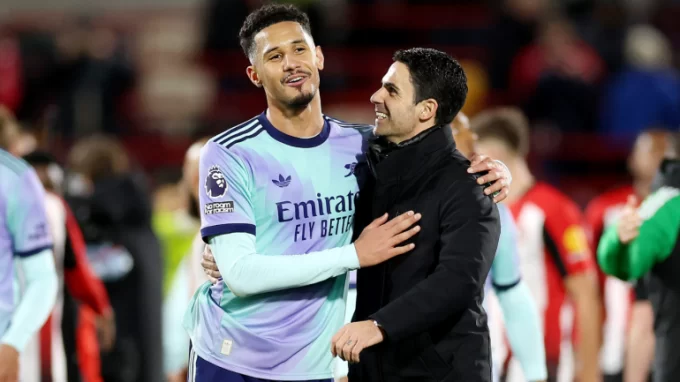
William Saliba: Arsenal’s Silent Architect or Its Greatest Gamble?
The air inside the Emirates shifts with unspoken tension—William Saliba, once a...
 Joseph Bennett2 Mins read
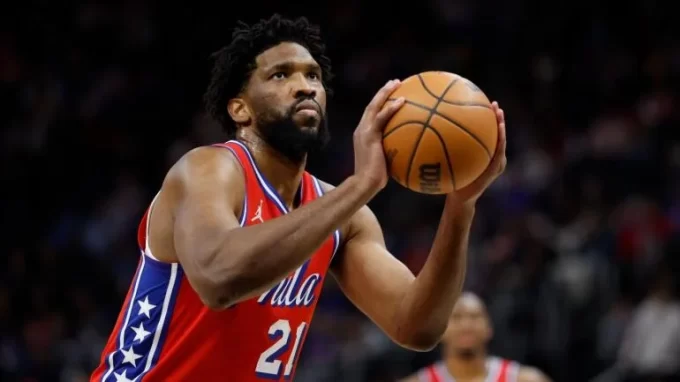
Joel Embiid’s Quiet Confidence: Is the 76ers’ Giant Ready to Rewrite His Story?
Joel Embiid is rarely one to make noise without purpose, and now,...
Kirsten Collins1 Mins read
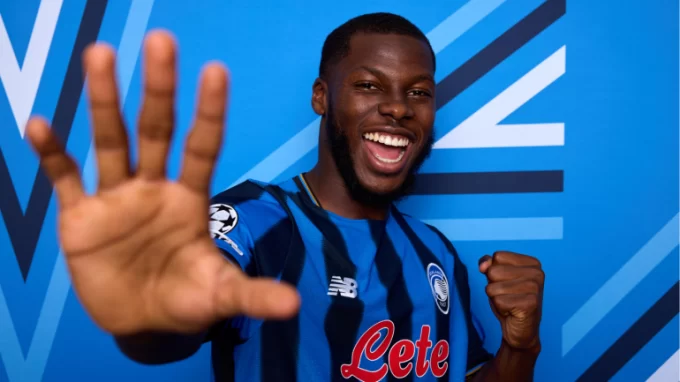
Juventus, Atalanta, and Arsenal’s Quiet Revolution: What’s Really Shaping This Week in Football?
The roar of Serie A stadiums masks a subtle shift, one that...
Kirsten Collins2 Mins read


Leave a comment