

Lawsuits, Lip Gloss, and the Limits of Likeability
Behind the glossy allure of two Hollywood darlings lies a courtroom cage match drenched in ego, intellectual property, and the optics of sincerity. Who owns the story—and who gets to survive it?
 Chris MarksAugust 5, 20252 Mins read12

She wore a rose-colored dress and a lawsuit like perfume.
When Blake Lively was first spotted on the set of It Ends With Us, Colleen Hoover’s emotionally manipulative bible of booktok femininity, it seemed like just another “cool girl” actress collecting critical capital from a bestselling adaptation. But now, the tables have flipped—litigation has eclipsed location scouting. And the co-star turned co-producer, Justin Baldoni, finds himself in a curious pas de deux with Lively, not in front of a camera, but across a conference table lined with legal pads and cautionary whispers.
The headlines paint it as a slow burn, but those watching closely know it’s always been a ticking bomb. The lawsuit—wrapped in vague clauses, bruised egos, and behind-the-scenes power plays—asks bigger questions: When art becomes commerce, who gets to claim authorship? And when does a collaboration become a trap?
When the Rom-Com Turns Revenge
Here’s what we know: The lawsuit appears to center around production rights, creative control, and perhaps, more uncomfortably, the social contract of celebrity goodwill. Lively reportedly feels cornered by creative decisions made without her input, while Baldoni, by all accounts a walking TED Talk on emotional intelligence, may be losing his grip on the narrative. It’s not just a film adaptation anymore—it’s a mood, a movement, a mess.
What’s staggering isn’t the legal action itself. It’s the rupture in a shared aesthetic fantasy: two affable, good-looking stars, basking in Gen Z approval, suddenly breaking formation. It’s like watching a power couple forget their lines during a wedding toast. You can’t look away—and you shouldn’t.
One industry insider, too cautious to be named, put it bluntly: “Hollywood runs on charm and contracts. When one breaks, the other usually follows.” And if that’s true, we’re about to see the glitter drain from a very curated fairy tale.
The Myth of “Mutual Respect” in a Branded Age
Celebrity is no longer a passive glow—it’s a weapon. And in this case, both Lively and Baldoni have cultivated brands built on “emotional wellness” and “creative collaboration.” She’s the wisecracking couture mom with digital mystery; he’s the feminist filmmaker you can bring home to your therapist. But here’s the dirty secret: when two personal brands try to co-author a story, the end product is rarely art. It’s arbitration.
And therein lies the deeper intrigue. This lawsuit isn’t just about a movie. It’s about the false promise of harmonious co-creation in a culture obsessed with dual headlines and dream pairings. What begins as a “shared vision” often ends in smoke—one Instagram unfollow at a time.
The case feels less like a one-off and more like a harbinger. A shift. A new genre of celebrity conflict: legal, polite, yet deeply performative. No screaming matches or hotel trashing here—just tense press releases, silence on social, and the quiet hiss of mutual lawyers preparing their closing arguments.
There’s something poetic about watching a story called It Ends With Us turn inward, collapsing on its own press tour. The romance, as always, was never the plot—it was the branding. Now, with the third act rewritten in legalese and NDAs, we’re left with a single question, flickering like a marquee sign in the distance:
What if the real adaptation wasn’t the book, but the personas who thought they could direct each other?






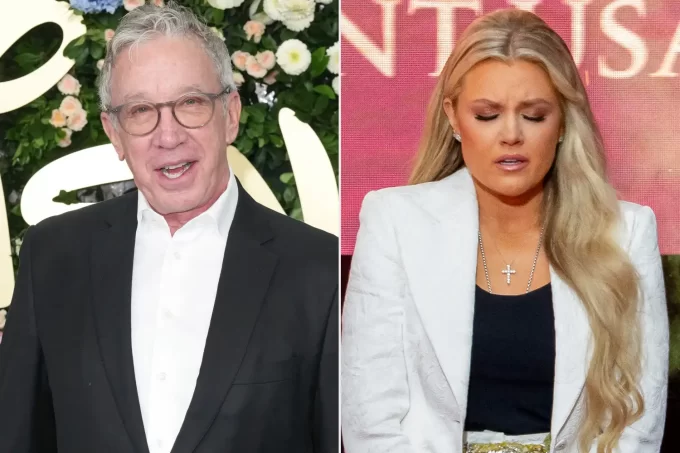
When Mercy Meets Tragedy: The Widow Who Forgave Her Husband’s Killer
The air thickens when forgiveness enters a room meant for grief. Imagine...
Chris Marks1 Mins read
When Fear Became a Lifeline: Pete Davidson’s Reckoning in Rehab
There’s a silence that follows a mother’s voice when she confesses her...
 Joseph Bennett1 Mins read
Pete Davidson’s mom told him in rehab worst fear was learning he died
Pete Davidson is opening up about the heartbreaking moment he had with...
Chris Marks2 Mins read

Katie Couric’s Unexpected Spin on Sydney Sweeney’s American Eagle Ad: What’s Really Being Said?
Katie Couric stepping into a scene dominated by Gen Z glamour feels...
 Krista Freeland2 Mins read




Leave a comment